Tag: nutrition

  • Does Micronutrient Deficiency Cause Obesity?

    Does Micronutrient Deficiency Cause Obesity?

    If you are reading this right now, then the first thing you need to know about us is that we believe that 13micronutrient deficiency is the most widespread and dangerous health condition of the 21st century. This is because medical and nutritional science has shown that nearly 100% of the American and UK populations are micronutrient deficient to some degree, and that deficiencies in your essential micronutrients (i.e. vitamins, minerals, EFAs and amino acids) are at the root of nearly every health condition and disease plaguing the world today, including obesity. This is why we wrote Naked Calories and Rich Food, Poor Food, to alert you to this silent pandemic and show you how to create a state of micronutrient sufficiency through Rich Food, lifestyle changes and smart supplementation so that you can achieve optimal health. And why we are so excited about our new book The Micronutrient Miracle 28 Day Plan, showing you how to implement our three steps to micronutrient sufficiency with daily menu plans and delicious Rich Food recipes.

    However, while we are the “micronutrient couple” and always tend to examine each health related problem from that perspective, the majority of medical and nutritional literature on obesity often focuses on factors other than micronutrients. So you can imagine how happy we were when we read a brand new 2015 study published in the Journal of the American College of Nutrition that was looking at the connection between obesity and micronutrient deficiency. At the conclusion of the study the researchers stated, “We conclude that obese adults compared to normal weight adults have lower micronutrient intake and higher prevalence of micronutrient inadequacy.” And went on to say, “It has been hypothesized that the micronutrient deficiencies may be contributing to obesity and fat deposition and could lead to further weight gain or development of associated metabolic diseases.

    When you pair this study’s findings with the many other studies on the connection between overweight/obesity and micronutrient deficiency including the 2007 study published in the journal Economics and Human Biology, where researchers revealed that micronutrient deficient women had an 80.8% higher chance of being overweight or obese than non-deficient women, you can start to see how important micronutrient sufficiency may really be in our fight against obesity.

    The fact is obesity affects many of us as well as our loved ones. What we can learn from those suffering from this condition may help us all better understand what truly lies at the root of this global pandemic. Our goal is rethink obesity altogether and to join the growing number of nutritional theorists and scientists who are thinking outside the box and connecting the dots between micronutrient deficiency and obesity in completely new ways. One of those people is Bruce N. Ames, Ph.D. Senior Scientist at the Children’s Hospital Oakland Research Institute Nutrition and Metabolism Center and Professor of the Graduate School, University of California–Berkeley, who in the quote below eloquently describes the biological strategy for micronutrient deficiency causing overeating and ultimately obesity.

    “We hypothesize that a micronutrient deficiency counteracts the normal feeling of satiety [feeling full] after sufficient calories are eaten. This may be a biological strategy for obtaining missing nutrients, which is important in fertility. Thus part of the reason for the obesity epidemic may be that energy-dense, micronutrient-poor diets leave the consumer deficient in key micronutrients, e.g., calcium, and constantly hungry.”

    The biggest problem with our current method of dealing with obesity is that most people don’t know that there are two types of hunger your body can experience?

    Most of us are familiar with the first type of hunger, which occurs when you have not eaten enough food or have not eaten for a long period of time. Your body usually lets you know that you are experiencing this form of obvious hunger with stomach grumbling and hunger pangs.

    The second type of hunger, which is the type Dr. Ames was referring to, is not so obvious; it is known as “hidden hunger,” and it occurs when you have not ingested enough essential micronutrients to meet your body’s minimum requirements. In the past, eating more food would alleviate both forms of hunger. That’s because the food of our ancestors delivered both caloric value and abundant micronutrient value. However, in modern times, simply eating more food will not necessarily reverse hidden hunger because many of today’s foods have become increasingly devoid of their essential vitamins and minerals.

    In the end it all comes down to…micronutrients. Are you deficient in your essential micronutrients? Are you unknowingly opening the door to obesity or other unwanted health conditions or diseases in your life? We want to leave you with one last quote, but this time from us. We wrote it several years ago now (2010), but we feel that its insight into overweight/obesity is as valid today as it was then.

    “If these contemporary theoretical perspectives were to be combined with current scientific research concerning the link between micronutrient deficiency and obesity, being overweight or obese would be viewed in an entirely different light. Instead of being wrongfully perceived as lazy, undisciplined overeaters, overweight and obese people would be seen for what they most likely are—individuals who are simply biochemically more in tune with their body’s need for their required essential micronutrients and are trying to achieve micronutrient sufficiency the only way that their bodies know how—by eating more food.”

    Last but not least, don’t be discouraged if you are battling with obesity, take some time and think about the micronutrient deficiency connection. Perhaps the 3-step plan to micronutrient sufficiency that we outline in our new book The Micronutrient Miracle is just what you have been searching for!


    Guest blog by Jayson Calton, PhD and Mira Calton, CN


  • Carrots, Squash, Peas and Watermelon –Are They Misunderstood by the Low-Carb Crowd?

    Carrots, Squash, Peas and Watermelon –Are They Misunderstood by the Low-Carb Crowd?


    ID-100199480
    Image courtesy of FreeDigitalPhotos.netDo you fear eating bananas? It sounds silly, but how many low carb diets have told you that you have to stay away from certain foods, like bananas or starchy vegetables like squash? I’m going to tell you why that’s not necessarily true. We first have to understand the difference between the glycemic index and the glycemic load.

    Both are measurements of a foods effect on your blood sugar. Here’s the fine print, glycemic index is based on a fifty gram portion of carbohydrate. By the way, that’s what we call net carbohydrates, or total carbs minus fiber, because fiber doesn’t have any impact on blood sugar. So, if it was twenty grams of carbs and ten of them were fiber, you’re looking at ten grams of carbohydrates. What’s left there, that carbohydrate content, is what actually impacts your blood sugar.

    The glycemic index looks at what happens to your blood sugar when you eat a fifty gram portion of net carbs of any given food. The problem is it’s a very arbitrary amount. To get fifty grams of net carbs with a carrot, you’d have to eat a bushel. While fifty grams of net carbs might be a very high amount for carrots, it’s a tiny amount when you’re eating pasta at the Olive Garden, which is much more likely to have two hundred grams of net carbs per oversized portion. That’s where the glycemic load comes in; it takes into account how much of the carb food you’re actually going to be eating. That’s a critical difference. Here’s an example, let’s say East African Saffron is three hundred dollars a pound. Wow, that’s a lot of money, right? Except that your recipe only calls for a half teaspoon, which is going to cost you eighty cents. Glycemic index is like the three hundred dollar per pound price, but glycemic load is what you’re going to pay at the checkout line.

    Now, go back to carrots. If you look at the real life portion of carrots, the actual glycemic load is tiny. Glycemic load is what we should be looking at, because it reflects real life portions. Knowing that, let’s look at some of the forbidden foods and see what they really do to blood sugar. Get ready to be surprised. For reference, glycemic load of zero to ten is considered low, ten to twenty is considered medium and anything over twenty is considered high. Let’s start with squash: four ounces, a nice size portion, is only a four. One cup of chopped summer squash has a glycemic load of two. How about bananas? A lot depends on their size and their ripeness. The larger bananas get up there in the eleven to twelve range, that’s still the low end of the medium range. Here’s one that’s going to kill you, watermelon. If you had a whole cup of watermelon balls that’s a glycemic load of three. Now, if you ate the whole fifteen inch melon, the glycemic load is off the charts, it’s ninety three. The moral of the story is, don’t eat the whole melon!

    Peas are a really interesting case. We’re always told to, “Lay off the peas, lay off the carrots.” A whole cup of peas has a glycemic load of nine. It’s approaching middle territory, but it’s safely within the low zone and has nine grams of fiber. Compare that to bread. Like the great nutritionist, C. Leigh Broadhurst, once told me, “No one ever became diabetic by eating peas and carrots.” The point is not to stuff yourself with sweet foods. Some foods that have a really crummy reputation among the low carb crew, really don’t deserve that reputation. You can eat some of them, if you watch the portions, without knocking your blood sugar out of whack.


  • Is Garcinia Cambogia The Next Magical Cure For Obesity?

    Is Garcinia Cambogia The Next Magical Cure For Obesity?

    Image courtesy of FreeDigitalPhotos.net

    Image courtesy of FreeDigitalPhotos.net

    I’ve been back and forth on the use of Garcinia Cambogia for weight loss. My good friend Harry Preuss, MD—who is a professor of medicine at Georgetown University and the president of the American College of Nutrition—published some really good research on garcinia cambogia, particularly in conjunction with chromium, and his study did show that it helped with weight loss. My personal experience has been different..


    Garcinia cambogia comes in several forms but the type Dr. Preuss used is called hydroxycitrate, also known as HCA or HCA-SX. I do know that the dose and the form of garcinia cambogia is quite important. Dr. Preuss used a form that’s available commercially as Super CitriMax, and you need to take the equivalent of about 1500 mg of HCA three times a day.


    My problem with it is this: while I have great respect for Dr. Preuss and his research, I have personally never come across anyone who has used garcinia cambogia successfully. I’ve even taken it in the past myself, and although that’s very far from a science experiment, my personal experience was ho-hum..,. So if you’re going to give this a try, be sure to use it in exactly the form and dose that was used in the research that showed it worked.


    While Garcinia may turn out to have some fat-reducing benefits, it’s very far from a magical cure for obesity. If you want to lose weight, your best option is to stay off the sugar, quit the processed foods, eat more fiber, and exercise.


  • Cinnamon for High Blood Sugar?

    Cinnamon for High Blood Sugar?


    ID-100180949

    “You have HIGH BLOOD SUGAR”. Those are five words you’d really rather not hear from your doctor at your next checkup. High Blood Sugar is the first step down a road that can easily lead to metabolic syndrome (a kind of pre-diabetes that puts you at considerable risk for heart disease) or even diabetes itself. When your blood sugar is high, all kinds of metabolic events occur, none of them good.

    Foremost among them is an overproduction of the “sugar-clearing” hormone insulin. Insulin clears the bloodstream of excess sugar. The more sugar in the bloodstream, the more insulin the pancreas has to send out to get the job done. Too much insulin can set you up for high blood pressure. Insulin sends a message to the kidneys that says: “Hold on to the sodium, dude!” This means that you have to hold on to more water to balance the excess sodium. Excess sodium plus excess water translates to high blood pressure – an enormous risk factor for heart disease. Insulin is also known as the “fat storage hormone” High levels of circulating insulin make it difficult to lose weight.

    Even more frightening, high blood sugar is being linked to a significant increase in the risk of cancer. Have I convinced you yet that controlling your blood sugar should be one of your top health priorities?

    Cinnamon! Cinnamon has an uncanny ability to moderate blood sugar. Many plants and individual phytochemicals can lower blood sugar, but many of them accomplish this at a price of imposing some nasty toxic cost on the body. Not cinnamon! C. Leigh Broadhurst, Ph.D., and her research team at USDA have identified new phytochemicals in cinnamon called chalcone polymers that increase glucose metabolism in the cells twenty-fold or more and no side effects in sight!

    Cinnamon was the star in the prestigious Journal of the American College of Nutrition. The active ingredient –methylbydroxychalcone polymer or MHCP- seems to mimic insulin function, increasing the uptake of sugar by the cells and signaling certain kinds of cells to turn glucose into glucogen (the storage form of sugar).

    Researchers found that even 1 g of cinnamon a day reduced blood sugar 18% to even 29%; and the cost just a couple of bucks! BTW: It will also reduce cholesterol by 12% to as high as 26%. Researchers at Georgetown University found that cinnamon reduced the insulin level in rats with high blood pressure.

    Buying cinnamon in bulk is cost effective and highly recommended. In my book: The Most Effective Natural Cures on Earth” I provide you with different recipes on how to ‘Sip this Medicine”. Why wouldn’t you add a cinnamon bark to your brewing tea?

    Meanwhile, I sprinkle the stuff on everything-great with my oatmeal, and definitely with my morning cup of java. Because cinnamon can affect insulin and blood sugar, work with your health care practitioner on adding this natural prescription to your routine if you currently take insulin or medications for high blood sugar.


  • Could You Use A Boost Of Ascorbic Acid?

    Could You Use A Boost Of Ascorbic Acid?

    ID-100262810

    You know what I say to all the people who scoff at vitamin C because it doesn’t really prevent colds?

    “Who cares?”

    Vitamin C may or may not stop or shorten colds, but let’s look at some of the much more important reasons to supplement with this vitamin. Without vitamin C, your immune system is toast. When you’ve got an infection, your lymphocytes—white blood cells—kick in to defend the body. Lymphocytes use up a ton of vitamin C. So does a process called phagocytosis, which is how the immune system removes cell debris, bacteria, pathogens, and dead tissue cells. You need vitamin C for that “cleanup crew” to do its job!

    Then there’s the fact that vitamin C is a powerful—and I mean powerful—antioxidant. Oxidation is a kind of cellular aging—you can see what oxidative damage looks like by leaving apple slices out in the hot summer sun for a day. That’s what happens to your cells (and skins) when you have oxidative—or free radical—damage. That’s not only a big part of aging, it’s also a component of absolutely every single degenerative disease you can think of (and many that you’ve never heard of).

    Vitamin C is one of the most powerful antioxidants on the planet. It’s a natural weapon against cellular damage from a host of enemies. It’s also no accident that vitamin C—ascorbic acid—is an important ingredient in so many high-end skin care products.


  • Heart-Protective Carrot-Ginger Soup with Chives

    Heart-Protective Carrot-Ginger Soup with Chives

    The following recipe is from The Great Cholesterol Myth Cookbook by Jonny Bowden, Stephen Sinatra, and Deidre Rawlings.


    Roasted vegetable tomato soupTangy, tasty, and warming from the inside out, the combination of carrots with ginger will delight not only your taste buds but your entire digestive system. This soup is packed with the antioxidants vitamin A and beta-carotene, together with tons of fiber and B-complex vitamins, it doesn’t get better than this for high-energy, nutrient dense soup.


    Ingredients:

    • 2 tablespoons extra-virgin olive oil or coconut oil
    • 1 large onion, chopped
    • 6 large carrots, chopped
    • 2 cups chopped butternut squash, skin on
    • 5 cups vegetable stock
    • 1/2 teaspoon salt, Celtic or sea
    • 1 teaspoon chopped fresh ginger, peeled
    • 1/4 teaspoon each ground cumin, coriander powder, and garlic powder
    • 1 cup chopped fresh parsley
    • 6 tablespoons plain yogurt
    • 2 tablespoons chopped fresh chives


    Instructions:

    Melt the oil in a large pot. Add the onions and cook for several minutes over medium heat until they begin to sweat. Add the carrots and butternut squash and cook for about 3 minutes. Add the vegetable stock, salt, ginger, cumin, and coriander and garlic powders. Bring to a boil, reduce the heat, and simmer, about 15 to 20 minutes, or until you can pierce the pieces easily with a fork.

    Purée the soup in a blender or food processor with the parsley. Serve with 1 tablespoon of yogurt in each bowl and top with fresh chives.

    Yield: 6 servings

    Note: Ginger is a stimulating herb that gets the blood flowing and the circulation going. Because of this, it can make you feel warm when nothing else seems to do the trick.

  • Video: My Opinion of the US Weekly Diets Issue

    Video: My Opinion of the US Weekly Diets Issue


    This week, US Weekly published it’s annual issue on diets. Tailors TapeUsually I get apoplectic when I read this stuff, but this time it wasn’t nearly as horrible as I expected. In this video, I’ll tell you what I think about celebrity diets. Spoiler alert: as long as you look at it in the right way—I explain how in this video—celebrity nutrition advice can be a hoot.


  • Three Great Holiday Recipes

    Three Great Holiday Recipes

    [et_pb_section fb_built=”1″ _builder_version=”3.22″ _i=”0″ _address=”0″][et_pb_row _builder_version=”3.25″ background_size=”initial” background_position=”top_left” background_repeat=”repeat” _i=”0″ _address=”0.0″][et_pb_column type=”4_4″ _builder_version=”3.25″ custom_padding=”|||” _i=”0″ _address=”0.0.0″ custom_padding__hover=”|||”][et_pb_text _builder_version=”3.0.74″ background_size=”initial” background_position=”top_left” background_repeat=”repeat” _i=”0″ _address=”0.0.0.0″]

    The following three recipes are from Jeanette Bessinger, the Clean Food Coach, www.thecleanfoodcoach.com.

    Autumnal Antioxidants: Cranberry-Orange Relish

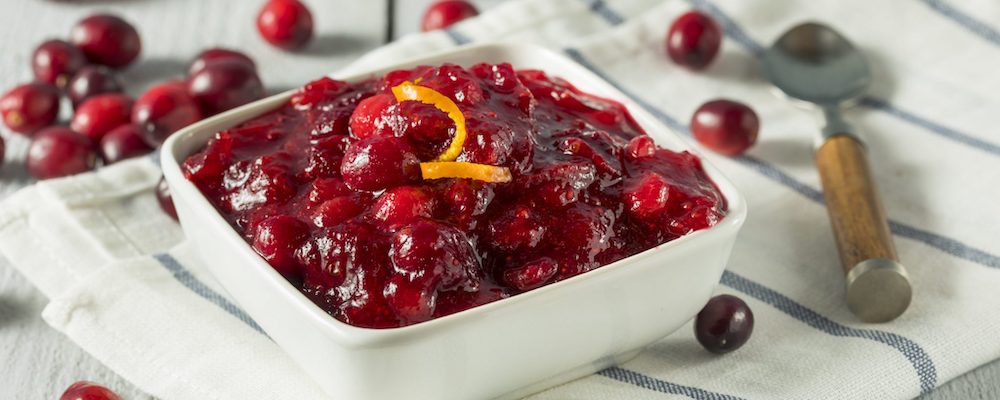
    This tangy orange-cranberry relish is made with fresh cranberries, not canned, and less than half the sugar of conventional canned relish. You may not realize it, but cranberries are one of the healthiest foods on earth. They have one of the highest antioxidant ratings, and are loaded with plant compounds known as flavonoids, which may reduce the risk of atherosclerosis. Emerging research also indicates that they may help protect brain cells. In any case, they taste great, and this fabulous relish is a perfect complement to the heady, herb-infused turkey!

    • 4 cups (440g) fresh cranberries, or 2 8-oz (225-g) bags frozen/unsweetened, thawed and rinsed
    • 2 oranges, peeled and halved
    • ½ cup (230 g) raw honey, or more or less to taste (or palm sugar)

    In a blender or food processor, blend together the cranberries, oranges and honey until a juicy relish is formed.

    Yield: 12 to 14 servings

    Notes from Chef Jeannette:

    Cranberries are not only delicious and nutritious, but also beautiful. If you wish to serve a canapé or cheese platter during a holiday gathering, fill your serving platter with a bag of fresh cranberries and place the food items on the top –lovely!


    Holiday Waldorf Salad

    Adapted from The Healthiest Meals on Earth: The Surprising Unbiased Truth about What Meals to Eat and Why by Dr. Jonny Bowden and Jeannette Bessinger for Fair Winds Press.

    Ingredients

    • 1/3 cup plain Greek yogurt
    • 3 tablespoons fresh squeezed orange juice
    • Juice from 3 tablespoons grated ginger root
    • 1 tablespoon raw honey or coconut nectar, or to taste
    • ¼ teaspoon powdered ginger, optional
    • 2 small crisp red apples (such as Macoun or Pink Lady), cored and chopped into small pieces (about 2 cups)
    • 4 celery stalks, thinly sliced
    • ½ cup purple seedless grapes, cut in half, optional
    • ¼ cup dried cranberries, cherries or chopped figs or dates
    • 1/2 cup lightly toasted walnuts or caramelized almond slices, coarsely chopped
    • 8 cups chopped hearts of Romaine

    In a small bowl, whisk together the yogurt, honey, orange juice and gingers. Set aside.

    In a salad bowl, combine all remaining ingredients through Romaine.

    Pour dressing over the salad and toss together to coat.

    Yield: 6-8 Servings

    Notes from Chef Jeannette:

    Replacing conventional mayonnaise with high protein, pastured, organic Greek yogurt transforms this timeless dish into a healthy classic.


    Easy Spiced Pumpkin Pie

    By Jeannette Bessinger, the Clean Food Coach, www.thecleanfoodcoach.com

    After years of baking pumpkin pies I’ve simplified a formula for a delicious, no-bake version that is grain-free, dairy-free, speedy and easy to make, even for non-bakers like me! This is sort of an interactive recipe because you need to decide what your priorities are –i.e. are you looking for the highest protein and lowest glycemic load? Try the tofu and Orange NuStevia combination. Don’t eat soy? Go with the avocado for the binder (it will not set as firmly as the soy). Looking for something a little sweeter and more traditionally flavored? Use canned pumpkin and pure maple syrup. You can even put the filling into a traditional baked flour crust – it’s still going to be a much healthier pie than any conventional option. Experiment a bit to hit the sweet level you enjoy and make it your own, tailored to your personal tastes and dietary goals.

    Crust Option #1

    • 2 cups macadamia nuts (raw or roasted)
    • 2 tablespoons finely grated fresh ginger
    • Pinch salt


    Crust Option #2

    • 2 scant cups walnuts
    • 1/3 cup fresh pitted Medjool dates (soak for 15 minutes if they are not soft and fresh)
    • 1½ teaspoons pumpkin pie spice
    • Pinch salt

    Filling

    • 2 cups fresh-cooked pumpkin * (or sweet winter squash, such as kabocha), drained if runny
    • 1/3 cup pure maple syrup or ½ cup rice syrup
    • 1 12.3-ounce package firm silken tofu or 2/3 cup lightly mashed ripe hass avocado
    • 1 teaspoon vanilla extract
    • 1½ teaspoons cinnamon
    • 1½ teaspoons ginger
    • ¼ teaspoon cloves
    • ¼ teaspoon allspice
    • Pinch salt

    Instructions

    To make the crust, combine all the crust ingredients from either option 1 or option 2 in a food processor. Slowly pulse and process, turning the mix over occasionally for even processing, until it looks like fine crumbs and holds together well when you pinch it between your fingers. If it’s under-processed it will not stick together, but if it’s over-processed, it will turn into an oily nut butter.

    When the consistency is right, transfer contents into a 9-inch pie plate and press evenly into the bottom and up the sides of the plate, scalloping around the edges with your thumbs, if desired. Place the crust in the freezer to help it set while you prepare the filling.

    To make the filling, combine the pumpkin, sweetener, spices and salt in a food processor and process until smooth and well-mixed. Add the tofu or avocado and process until completely incorporated (it takes a little longer for the tofu, and a little less time for the avocado). Spoon the filling into the crust and refrigerate for two hours to set completely. You can serve the pie at room temp, but it will be very soft.

    Yield: 8 servings

    Notes from the Clean Food Coach:

    *To cook a sugar pumpkin (or any large winter squash), simply cut it in half and remove stem and seeds. Cut each half into quarters (or eighths if the pumpkin is more than a few pounds) and cook on low in a slow cooker for 6-8 hours or until tender. Scoop out the flesh for use and discard the skins. Puree the cooked flesh in a food processor and drain in a double mesh sieve for at least 30 minutes if runny.

    You can also use high quality organic cooked pumpkin, but it will taste a bit blander than fresh-cooked –consider adding another half teaspoon of ground ginger or cinnamon to the filling.

    [/et_pb_text][/et_pb_column][/et_pb_row][/et_pb_section]
  • Free Range Citrus-Stuffed Herbed Turkey

    Free Range Citrus-Stuffed Herbed Turkey

    The following is from The 150 Healthiest Comfort Foods on Earth by Dr. Jonny Bowden and Jeannette Bessinger for Fair Winds Press.


    From Dr. Jonny: The holidays don’t have to be a time when you stop eating healthy; you can still enjoy many of the fabulous comforting offerings the season provides in abundance. Here’s a tremendous and traditional holiday meal for you that won’t feel you leaving one bit deprived. The turkey and cranberry-orange sauce are borrowed from The Healthiest Meals on Earth—one of our most popular recipes but the dressing is all new. It’s a remake of a comfort food staple which, although classic, is usually a high-glycemic, low-nutrient affair that can wreak havoc with your waistline. Our version is way better and just as tasty.


    Free Range Citrus-Stuffed Herbed Turkey

    We made the turkey “sans gravy” and stuffed it with a flavor-rich combo of herbs and citrus for a juicy and aromatic bird. (Free-range turkey only, please! You don’t need the added hormones and steroids!) Traditionally, this type of a whole-bird preparation calls for at least one stick of butter, but we reduced it and mixed it with olive oil, giving you a nice mix of heart-healthy fat and valuable olive phenols. (To get all the “good stuff,” use extra-virgin olive oil.) Fun fact: contrary to popular opinion, most of the fat in butter is actually monounsaturated fat, the same healthy fat found in olive oil!


    To Brine:

    • 1 18–20 lb turkey (free-range, not self-basting)

    You will need 2 to 3 gallons of brining solution for an 18–20 lb turkey.

    Per gallon of water, add:

    • 1 cup salt
    • ½ cup raw honey
    • 2 teaspoons finely grated lemon peel, optional
    • 2 teaspoons grated orange peel, optional
    • ½ tablespoon cardamom pods, optional
    • 1 teaspoon dried thyme, optional


    To Prepare the Turkey for Roasting:

    • 8 sprigs each of fresh rosemary (young and tender, not woody), sage and thyme, (1¼ to 1½ cups total when coarsely chopped)*
    • 2 shallots
    • 1 whole head garlic
    • 1 lemon
    • 1 orange
    • ½ stick butter, softened
    • 2 tablespoons olive oil
    • Salt and pepper, to taste
    • 1/2 cup sherry


    Starting with 2 gallons of water, mix the brining solution (salt through thyme) in the correct proportions, stirring until the salt and honey are dissolved. Rinse the turkey and pat it dry. Place the turkey in a lobster pot or large stockpot. Pour the brining solution to cover the turkey completely. Place turkey in the fridge for 12 to 24 hours. Remove, rinse very well under running water and dry thoroughly, including cavity. If you want crisper skin, brine and rinse the day before and place it, breast side up and uncovered in the basting pan in the fridge overnight to allow excess moisture to evaporate.

    Preheat oven to 400°F.

    Stem and coarsely chop the herbs, setting aside about ¾ (about 2/3 to 1 cup of herbs) of the total. Mince the remaining fourth (about ½ cup) of the herb mixture and put into a medium bowl.

    Peel the shallots and garlic. Cut shallots in half, crush garlic cloves, and add to herbs. Quarter but do not peel the lemon and orange and squeeze them gently to make a little juice, tossing fruit and juice together with other ingredients in the bowl.

    Using your hands, mix softened butter with olive oil in a small bowl until creamy.
    Moving carefully so as not to puncture the skin, work your hand between the turkey skin and the breast as far as you can go to create a pocket over both breasts. Smear half of the butter/olive oil mixture over the breasts, covering as much meat as you can reach.
    Place half of the reserved, coarsely chopped herbs in each pocket (on top of each breast). Do this carefully, and when complete, gently reshape (from the outside) the herb “pouches” above each breast to look rounded and smooth. Salt and pepper the inside of both cavities and stuff with fruit and herbs mixture. Tuck the wings behind the back, tuck the skin folds over the cavities to close, and truss the legs. Smear the entire bird with remaining butter/olive oil mixture, salt and pepper. Slowly pour sherry inside of the breast pockets, working it around to the leg joints.

    Place V rack inside of roasting pan and cover with foil.** Poke about 15 holes into the foil. Bake on V rack, breast side down, for 45 minutes then reduce oven temp to
    325°F. Turn bird breast side up, baste (can supplement juices with a few tablespoons of sherry if you wish), cover with tinfoil and continue to cook for about 2½ to 3 hours more, depending on the size of your bird. Remove the tinfoil to brown the breast and continue to cook for another 30 to 40 minutes, or until the thickest part of the breast and innermost parts of thighs and wings register at least 165°F on meat thermometer. When turkey is done, legs should roll loosely on the joint and the leg juices should run clear. Let rest on cutting board for about 20 minutes before carving.


    Yield: On birds more than 12 pounds, allow ½ to 3/4 lb per person, so an 18-pound turkey can serve between 24 and 36 people.


    Notes from Chef Jeannette:

    *If you are working with a large bird (that will take a longer cooking time) or desire a milder herb flavoring, use the whole stems (without chopping) under the skin. Just remove the large pieces when the cooking is complete and use as a garnish.

    **If you don’t own a V rack, try using 2 miniature loaf pans (4 or 5” by 3”), face down and set on either side of your roasting pan (in the middle, lengthwise). If using the loaf pans, no need for tinfoil.

  • Delicious Ways to Enjoy Vegetable Juicing for Weight Loss

    Delicious Ways to Enjoy Vegetable Juicing for Weight Loss

    The following is from Jonny Bowden’s New You In 22.

    Delicious Ways to Enjoy Vegetable Juicing for Weight Loss


    Many heath experts, myself included,  are advocates of vegetable juicing for weight loss, and will easily recommend vegetable juices as part of an effective weight loss plan.

    The thing is most people are not fond of vegetables. If you are one of these people, here are delicious ways to enjoy vegetable juices and benefit from their weight loss abilities.

    Gourmet Green Drink

    Contrary to common belief, green drinks are actually delicious. You can choose from any or a combination of the following for your green drink recipe:

    • Wheatgrass
    • Barley grass
    • Magma
    • Broccoli
    • Spinach
    • Kale
    • Parsley
    • Other green leafy vegetables

    Drinking your greens make vegetable consumption more palatable for fussy eaters or for those who are not fond of veggies. This is one delicious way to meet your recommended vegetable servings for weight loss.

    Some of the remarkable benefits you can get from your green drink are the following:

    1. Excellent source of nutrients that will allow you to stay healthy while dropping the pounds fast.
    2. Purifies your blood and removes the toxins from your body. Toxic substances interfere with the functions of your body systems resulting in poor health condition including excessive weight.
    3. Promotes overall health condition, and increases your energy levels to do all the activities you plan to do throughout the day.

    Smoothie Your Greens

    One of the more effective ways to lose weight healthily is to drink protein shakes for breakfast. You can create your own drink by juicing your green vegetables. For variety, you can create succulent green smoothies that will give you the following benefits:

    • Your body receives plant-based protein. In many ways, plant-based protein is healthier than animal-based protein. Veggies contain chlorophyll rich in alkaline.This will restore the good balance between alkaline-acid in your body, considering that the American diet today is highly acidic. The good balance of acid-alkaline is essential in weight management.
    • Vegetables are an excellent source of fiber. WebMD, in fact, recommends the consumption of fiber-rich food for weight loss. Health experts say that dietary fiber has that power to fill your stomach without the risks of storing unnecessary fats in the body.In a study that monitors the big weight losers, most of these individuals are habitual breakfast eaters with fiber-rich food as part of their staple meals.
    • Juicing your veggies makes it easier for your body to absorb the nutrients. As soon as the smoothie touches your mouth, digestion and abruption of nutrients begin.

    Vegetable juicing for weight loss will turn green veggies into an appetizing beverage that adults and kids will both love. According to Dr. Jonny Bowden, juicing is at its best when you use green vegetables as ingredients.

    Easy Recipes

    Here are three vegetable juice recipes that are easy to prepare and will deliver weight loss benefits to your body:

    Raw Chlorophyll Juice – Just combine all the ingredients below into your juicer:

    • Spinach
      Dandelion greens
      Parsley

    You may want to add the following fruits for flavor: apples and grapes.

    Easy Green Juice – extract the juice from the following ingredients:

    • 3 stalks of celery
    • About 10 pieces of lettuce leaves
    • 1 ½ green apple

    Kale Cool Aid Juice – juice the following ingredients and combine the extract together. Serve with ice.

    • About 5 pieces of kale leaves
    • 2 large cucumbers
    • 1 piece green apple
    • 1 piece of lemon, peeled
    • Thumb-sized ginger, peeled
    • 2 ribs of celery

    Tips for Juicing Your Veggies

    There is no doubt to the health power of vegetables. Using veggies as your ingredients to create weight loss juices can be as refreshing and as delicious as natural fruit juices by following these tips:

    1. Add apples or carrots to your recipes, as they are natural sweeteners. These two are also able to break the bitter taste of some vegetables.
    2. Prefer to juice fresh vegetables (also fruits), and as much as possible choose organic. Fresh organic veggies are superior in nutritional and health value.
    3. Your choice of juicer also matters. If you wish to maximize the weight loss and other health benefits of juicing your veggies, choose a good quality juicer.
    4. Mix and match your veggies, and include some fruits to your recipes. The trick is to create varied delicious-tasting recipes. The web has all the resources you need to help you.

    Start to benefit from your vegetable juice right now and enjoy the healthy results!