Category: Anti-Aging

  • How and Where To Buy Vitamins

    How and Where To Buy Vitamins

    Many of you have asked me variations of the following questions:

    • How do I know what supplements are good and which ones are junk?
    • How do I know which supplement brands are reliable?
    • Where should I buy my supplements?

    The whole story on nutritional supplements

    For about five years, after I first opened my website, I sold nutritional supplements online. I sold only brands I used for myself, my family, and my clients, brands that are considered “doctor brands”.

    “Doctor brands” are the supplement lines usually carried in the offices of people who practice functional medicine, licensed naturopaths and functional nutritionists (like me). They include high-end lines like Vital Nutrients, Thorne Research, Designs for Health, Allergy Research, Douglas Labs, which are not readily available to the average person.

    You can get these brands—sometimes—on Amazon.

    But don’t. I’ll tell you why in a minute.

    Back to the story.

    I’d painstakingly comb through the catalogs of these high-end vitamin lines, and choose the formulas I liked. In a short time, I had curated a nice boutique catalog of about 250 or so products, most of which I used in my private practice and with my family.

    We bought in (small) volume from the top professional distributor in the country (then, as now, Emerson Ecologics) and sold at retail or with 10% discount for patients.

    And that worked fine—until Amazon took over the world. (Don’t get me wrong—I love Amazon. But they had a very definite effect on the supplement industry, and most of it was not good. More on that in a moment.)

    So why didn’t health professionals like me just send our patients to Emerson directly?

    Simple. Because Emerson doesn’t sell to the general public.

    So what?

    Now, you might well ask, why does it matter? I can get magnesium anywhere including Costco and CVS, and I can even find some of these elite brands you’re talking about on Amazon.

    Yes, you can.

    But there’s a problem.

    Let’s start with magnesium because it’s a great example of why doctors and health professionals sell supplements in their offices in the first place.

    If you came into my office and I told you I want you to take magnesium every day, you’d go out and find it on Amazon and that would be that. Maybe you’d pick a popular brand- like Twinlab—and figure you’re good.

    But Twinlab’s popular magnesium is 100% magnesium oxide, the cheapest and least absorbable form of magnesium. There’s also magnesium glycinate, magnesium citrate, magnesium threonate, magnesium chelate…. You get the idea. All have different profiles and different uses. Not to mention different doses and different bioavailability.

    But even if I told you I want you to specifically take “Doctor Brand Magnesium Formula XYZ” we’d still be in trouble. Because the only place you could find it would be on Amazon, and now I’ll tell you why buying it there is a bad idea.

    Most of the doctor brands sold on Amazon are fakes, counterfeit or expired.

    I know this for a fact because I’ve talked to the CEOs of many of the companies whose products are being sold illegally. I meet these vitamin company reps at shows and medical conferences where they exhibit, such as the American Academy of Anti-Aging Medicine or the Scripps Annual Conference on Evidence-Based Supplements. I’ve known most of them for a long time.

    And I can tell you that none of them authorize their stuff being sold on Amazon, and they vigorously pursue legal action against anyone selling it. And that includes just about 100% of the Amazon resellers of high-end vitamins and supplements. My contacts at these companies tell me that invariably, the stuff the unauthorized folks are selling illegally on Amazon turns out to be either expired, re-cycled returns,  counterfeit, or made in China.

    FINALLY, A SOLUTION

    So if you want authentic versions of the best supplements sold in America, what should you do?

    Glad you asked.

    There is now an online dispensary called FULLSCRIPT on which patients can now order any products in the Emerson catalog. All you have to do is sign up under the name of a health professional (MD, PhD, RD, ND, etc) who already has a clinical/professional account.

    I have had such an account for almost 25 years, and now, through my patients’ FULLSCRIPT portal, I am thrilled to say I can offer the entire Emerson catalogue to you, including all the products I use myself.

    SIGN UP FOR FULLSCRIPT

    Here’s how you shop at my personalized FULLSCRIPT store. It’s an EASY three-step process.

    1. Go to THIS special link to my Rockwell Nutrition/Dr. Bowden Fullscript store
    2. Enter your email address, name and choose a password and sign up for your own account
    3. Browse the catalogue and order anything you like.

    And be confident knowing that you’re choosing from the best brands of nutritional supplements in the world.

    And you’ll get at least a 10% discount on anything you order through that link.

    The reason I rarely mentioned brands before this

    In the past, I rarely mentioned specific brands when talking about nutritional supplements, because I knew in my heart it would be almost impossible for you to find the ones I used, so why tell you about them?

    Now that I know you have a way to purchase the authentic versions of the same products I use, I’ll be much freer in mentioning the brand names of the products that fill my personal vitamin/medicine cabinet.

    So even if you don’t buy anything right now, go over to this special link to my fullscript store and sign up for an account. (If you already have a Fullscript account and see options for which practitioner you’d like to choose, I’d be incredibly grateful if you choose my name and store Rockwell Nutrition)

    When I worked as a clinical nutritionist in New York, I worked with a well-known MD who practiced integrative, functional and nutritional medicine. He had a sign in his office that read as follows:

    Don’t Look For Bargains In:

    1. Parachutes
    2. Tattoos
    3. Nutritional Supplements

    It’s as true today as it was 20 years ago.

  • Why You Should Care About Free Radicals

    Why You Should Care About Free Radicals

    Did you ever wonder why apple slices start to turn brown when you leave them out on the picnic table?

    Or why unprotected metal left outside will start to rust?

    Here’s the reason: free radical damage.

    Free radicals are rogue oxygen molecules that are missing an electron, and will, therefore, attack anything in sight in search of a missing mate. The damage they do is called oxidative damage, or oxidation. It’s what happens to the apple slices, it’s what happens to the rusting metal, it’s what happens to your skin when exposed to too much sun, and it happens in your body—to every cell, to every organ, even to your DNA.

    Dr. Sinatra and I identified oxidative damage as one of the four major promoters of heart disease in our book, “The Great Cholesterol Myth”. Dr. Traylor and I identified oxidative damage as one of the major causes of aging in

    Oxidative damage (i.e. free radical damage) is no joke. There’s even a theory called “The Free Radical Theory Of Aging” that holds that aging is nothing more than “rusting from within.” Even cholesterol doesn’t become a problem in the body until it’s oxidized.

    The free radicals that cause all this oxidative damage can come from many things. Oxygen, certainly. But also toxins, household cleaners, pesticides, cigarettes, and air pollution. Your first action should be to limit your exposure to things that are obviously toxic (i.e. cigarettes and car exhaust and chemicals).

    Foods can also be potent sources of free radicals, especially fried foods, and especially meat that’s barbequed at high heat. Tip: Marinate the meat in a rich mix of spices, and barbeque at a lower heat. And instead of fried foods, load up your plate with antioxidant-rich berries, dark chocolate, nuts, beans, and leafy vegetables. Even if you still eat the French fries, those antioxidants will help mitigate some of the damage!)

    Anti-oxidants do exactly what their name implies—they are the antidote to oxidative damage. We all know the important dietary antioxidants–  Vitamin C, Vitamin E, and so on – but an even more important antioxidant is made in the human body and can’t be effectively obtained from supplements or diet. It’s called glutathione.

    Two other tips to help your body rid itself of excess free radicals:

    1. Top off your glutathione levels. Glutathione is the body’s master antioxidant. It mops up free radicals better, faster, and more effectively than just about any other substance. The body makes glutathione on its own, but as we age, our enzymes that make glutathione get weaker. There have been attempts over the years to make oral glutathione supplements, but for the most part, they haven’t been effective.

    Thankfully science is always evolving, and now there’s a safe way to prompt your body to make more. Glyteine, available in Continual-G products, works as a molecular signal that prompts the body to start producing more glutathione. In a couple of hours, you’ll have more glutathione in your cells, which is exactly where it’s needed.

    2. Upgrade your sleep. A lot of really important things happen when you sleep, and bad things happen if you are sleep deprived. It turns out that one of the major things that happen during sleep is the repair of oxidative damage. Even the most powerful antioxidants on the planet won’t be put to full use if you’re not getting enough sleep and if you’re not getting good quality of sleep. That’s why it’s especially important right now to keep a consistent sleep schedule.

    And if you’re not getting enough sleep and would like to extend your time in bed—and who wouldn’t—there’s a “right” and a “wrong” way to do it. Contrary to popular opinion staying in bed later doesn’t work nearly as well as going to bed earlier. Try adding sleep time by going to bed a half-hour earlier every night for a week, and when you’re acclimated to that, add another half-hour.

    Your metabolism, your mental health, and your waistline will all thank you.

  • Social media influencers are going to change the world. Here’s why.

    Social media influencers are going to change the world. Here’s why.

    [et_pb_section fb_built=”1″ _builder_version=”3.22″][et_pb_row _builder_version=”3.25″ background_size=”initial” background_position=”top_left” background_repeat=”repeat”][et_pb_column type=”4_4″ _builder_version=”3.25″ custom_padding=”|||” custom_padding__hover=”|||”][et_pb_text _builder_version=”3.27.4″ background_size=”initial” background_position=”top_left” background_repeat=”repeat”]

    I had the honor of speaking at ShiftCon, an expo of the top health and wellness influencers.  These aren’t your everyday bloggers. They truly are the cream of the crop who have lofty goals for themselves. ShiftCon values transparency, good health and eco-friendly practices so I felt at home among this group. What really impressed me about ShiftCon bloggers was their passion for straight, honest, fact-based nutrition information. They desperately wanted to know how to spot the myths and speak the truth to their community. This gave me hope that someday, we won’t be battling all the hype about what to eat and what to avoid. The truth will be as close as our favorite podcast or social media feed.

    My presentation, Fact Checking the Fact Checkers: Myths and Truths in Health Advice, was just prior to the conference’s keynote. This gave me the unique opportunity to bash a few myths while warming up this already highly engaged crowd. Watch my presentation here.

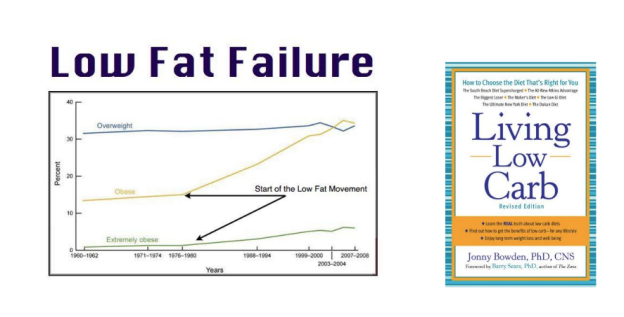
    Among other things, I explained that much of the nutrition advice shared decades ago was inaccurate and downright dangerous to our health, such as how the low-fat craze led to a devastating rise in obesity. I talked about the demonization of saturated fats, despite fact-based clinical studies documenting that its consumption does not increase heart disease risk. This misinformation grows and gets rooted in society making it hard to know what’s really true.

    In fact, a new study coming out of Malaysia reaffirmed that fat is not the problem in our diet. It’s a high amount of carbohydrates. When you accurately assess cardiovascular risk using modern measures, you get a very different story about which dietary patterns influence cardiovascular risk. Bottom line: We’ve been targeting the wrong macronutrient. Fat isn’t — and never was — the dietary enemy. 

    I also had the opportunity to personally connect with many bloggers while hosting a booth sponsored by ChecktheFactsReportTheNews.org. This is what really stirred my hope for the future and why I think these passionate influencers can make a difference in our society. These people are leaders, not followers. And they’re well educated on the issues plaguing us. I conducted a survey at the event which revealed this, as well as some thought-provoking issues. Read more about in my next blog: Want to know the next big thing? Look to these influencer survey results.

    [/et_pb_text][/et_pb_column][/et_pb_row][/et_pb_section]

  • The Best Anti-Aging Supplement You Never Heard Of

    The Best Anti-Aging Supplement You Never Heard Of

    The hottest story in anti-aging these days is the story of NAD.

    Now let’s be clear—none of us like to use the term anti-aging anymore. It’s passé and silly. We can’t turn back the clock, which is what “anti” aging implies. Most of us who work in this field prefer the term age management medicine, which much more accurately captures the idea of aging smartly, gracefully, and happily. Being older no longer has to look like it did in your dad’s day. Age management is about dying young at an old age. It’s about “squaring the curve” of life so that—rather than experience a slow, painful, decline into senescence starting around age 50, we live at the top of our game (more or less) till just about the end when we die a quick, peaceful death with minimum disability, preferably sometime after age 90.

    OK, now that we’ve got the vocabulary sorted out, let’s talk about what we really care about—extending the “healthspan”— the number of years in which we can perform with vigor, enthusiasm and passion, fully engaged with life, with minimum dysfunction.

    Which brings me to the NAD story.

    See, the truth is that aging starts way beneath the radar, at the cellular level. We may notice skin wrinkling, lack of energy, low libido, tired eyes—but way before that stuff starts to happen, our poor cells have gotten tired and run down. Cells, after all, have an awful lot of responsibilities. For one thing, they have to produce something called ATP (adenosine triphosphate), which is the molecular unit of energy your body uses to do absolutely everything in life that you do– from blinking your eyes to dancing the Macarena. Growing hair and nails? It requires ATP. Talking? Ditto. Dancing, running a marathon, exercising, thinking, meditating or mamboing, everything runs on ATP, and ATP generation depends on the health of the cell.

    Then there’s detoxification. While there are plenty of companies offering expensive and trendy juices for “detoxing”, the truth is that you’re detoxing all of the time, and detoxification starts in the cells. So does fat burning. And the list goes on.

    So what does this have to do with this thing called NAD, anyway? What is NAD? Why do we need it, how do we get it, and why does it even matter?

    Glad you asked.

    NAD—which stands for nicotinamide adenine dinucleotide— is what’s known as a “coenzyme”. (A good example of a well-known coenzyme is CoQ10, a popular supplement for energy whose name is short for coenzyme Q10.) A coenzyme is a compound that is necessary for the functioning of an enzyme. Coenzymes make stuff happen. You can think of them as spark plugs. You could have the most incredible, expensive, custom-made McLaren Mercedes, but guess what? If you don’t have spark plugs, that fabulous expensive transmission won’t turn over. Nothing will work. We’ve all seen the movies—if you want to disable someone’s car, you don’t put it up on blocks and remove the engine—you just pocket the spark plugs. Nobody’s going anywhere without those tiny, inexpensive—but absolutely essential—parts.

    So NAD is the coenzyme—the spark plug—that’s needed for absolutely every one of the cellular operations I just mentioned, the ones that—when they slow down or go offline—make you feel and look old and tired.

    And guess what happens as we grow older?

    NAD stores plummet.

    When the supply of NAD in the cell is low, the cell goes on a “budget”, much like a company that’s had its cash flow cut in half. Non-essential operations slow to a halt. The company—or in this case the cell—tightens its metaphorical belt. Important functions get sidelined. The cell begins its inevitable decline. And the visible signs of that are the ones we all know too well, the ones that send half the population of Beverly Hills to the plastic surgeon’s office.

    Scientists have pondered the problem of disappearing NAD stores for a long time. Figuring out how to replace or increase our NAD stores has been one of the most vexing problems in the field of age management. The obvious answer—NAD supplements—don’t work. Instead, we need a biohack to trick our cells into making more of the stuff.

    And that biohack is finally here. It’s a special form of vitamin B3, discovered by biochemist Charles Brenner, with the unwieldy name of nicotinamide riboside, and sold under the proprietary name TruNiagen™. TruNiagen™ is creating a storm in the age management world because it has been demonstrated to significantly increase our NAD stores. And if you think that isn’t a really big deal, read on.

    Remember resveratrol? Terrific supplement. Resveratrol comes from the skins of dark grapes and has long been known as an “anti-aging” supplement precisely because it “turns on” longevity genes known as the SIRT (Sirtuin) genes. And that’s great. But you know what?  Resveratrol can’t actually make contact with those genes and turn them on unless there’s NAD. Even the best resveratrol  needs the NAD spark plug– without that spark plug, resveratrol can’t make its magic.

    That’s why I’m personally doing everything I can to keep my NAD levels as high as they can be for as long as possible, and that means a daily dose of TruNiagen™ (which can be purchased directly at TruNiagen.com.) Together with nutrients like resveratrol ), curcumin, vitamin D, omega-3s and magnesium,  it forms a “stack” that goes a long way towards keeping your cells happy and functioning, reducing inflammation, and “squaring the curve” of aging.

  • Are Statin Drugs a Waste of Time?

    Are Statin Drugs a Waste of Time?

    Not long ago, a medical reporter friend of mine, Lynn Allison, asked me to comment on a recent article in The Daily Mail, the title of which was:

    MORE experts claim statins are a waste of time.

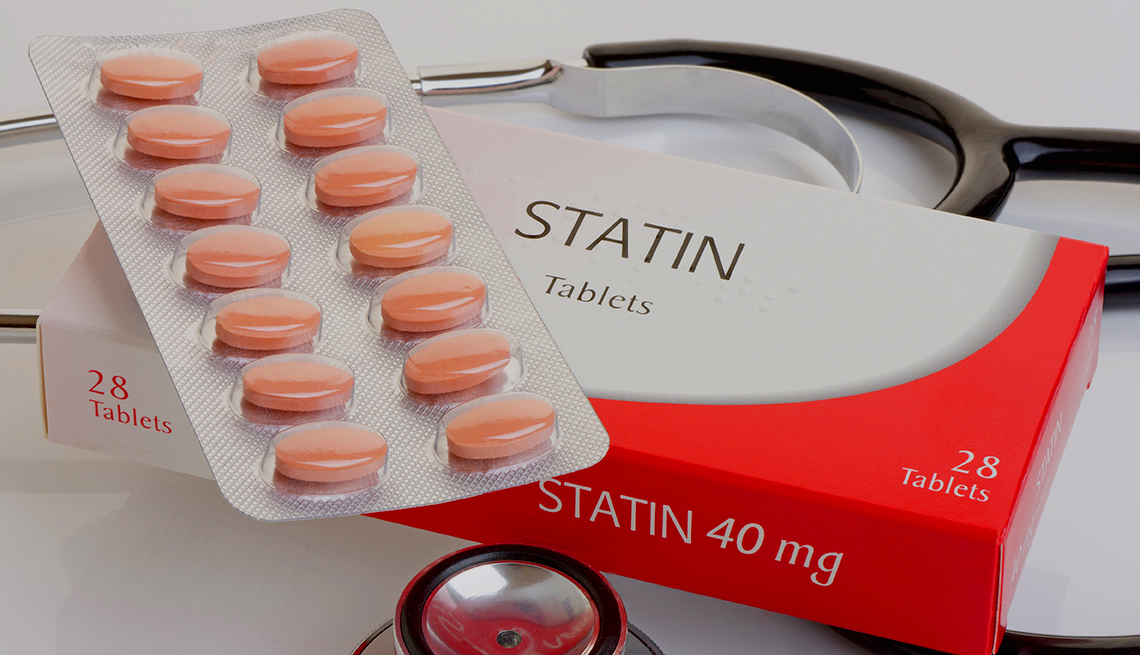
    The article went on to say that studies show that cutting cholesterol fails to slash heart risk. (That is correct.) It said that millions were being mislead about the side effects of the popular cholesterol-lowering drugs known as statins (also correct). And that the side effects of these drugs were far more common than studies suggested. (That too, is correct.)

    Lynn asked me for a comment. This is what I said.

    This new article is a wonderful development, but not wholly unexpected. My book with cardiologist Dr. Steven Sinatra— The Great Cholesterol Myth— references dozens and dozens of studies which cast serious doubt on– or in some cases totally refute– the notion that cholesterol causes heart disease.

    Dr. Sinatra and I listed several peer-reviewed studies that showed that more than half the people admitted to hospitals for cardiovascular disease have normal “bad” cholesterol (less than 100 LDL), and just under half had desirable levels of “good” cholesterol (more than 40 HDL). Not only doesn’t cholesterol cause heart disease, it’s a lousy PREDICTOR of it!

    Yet the accepted “conventional” wisdom is that lowering cholesterol lowers the risk of heart disease. It does not. As i said on Dr. Oz, “Trying to lower the risk of heart disease by lowering cholesterol is like trying to lower the risk of obesity by taking the lettuce off your Big Mac”.

    Interestingly, cholesterol skepticism is NOT a new position— George Mann, one of the principle investigators of the long-running Framingham study of heart disease— called the notion of cholesterol causing heart disease “the greatest scam ever perpetrated on the American public”.

    And our book— The Great Cholesterol Myth— was hardly the first to point out the difference between the data and the recommendations. The Great Cholesterol Con, The Cholesterol Myths, Cholesterol Clarity, The Cholesterol Delusion, The Cholesterol Conspiracy and dozens of other popular and scholarly books have made the case before us, and undoubtedly others will continue to make it after us. An excellent review article— Saturated Fat and Cardiovascular Disease: The discrepancy between the scientific literature and dietary advice, published in the journal Nutrition (Feb, 2012) concluded that “results and conclusions about saturated fat in relation to cardiovascular disease, from leading advisory committees, do not reflect the available scientific literature”.

    Finally, there’s the question of statin drugs and overmedication in general. The wonderful John Abramson of Harvard Medical School, has been speaking out for the better part of a decade on the overuse of ineffective medications, and has been particularly critical of statin drugs. Statin drugs have multiple serious side effects from memory loss to fatigue to loss of energy and libido, to serious muscle pain. Yet they are prescribed randomly to anyone with an “elevated” cholesterol level, even though study after study shows little benefit to lowering cholesterol. (Interestingly, in the Framingham study, those with the highest cholesterol actually lived the longest!) The studies the drug companies point to showing that “statins save lives” usually do not hold up under close examination. You may see a SLIGHT reduction in heart attacks but you will see a corresponding INCREASE in cancer and diabetes. And several peer-reviewed studies have shown a significant increase in diabetes among statin users.

    And why don’t we know more about these statin side effects? Simple. Because doctors usually don’t report them.

    An exhaustive study, by Dr. Beatrice Golumb at Stanford, showed that 65% of docs do not report statin side effects because they don’t believe their patients. (You can read the actual study here.) The average patient will come in and say something like, “Hey doc, ever since you gave me this Lipitor, I’ve been forgetting things left and right” and the doc will say, “No, Mr. Jones, that’s just the mild cognitive impairment that comes with age, nothing to worry about, definitely not coming from the statin drug”.

    Meanwhile, statins (and lowering cholesterol) are a 31 billion dollar-a-year business.

    As the great American writer, Upton Sinclair, once said: “It is difficult to get a man to understand something, when his salary depends on his not understanding it”.

  • It’s Heart Health Month—Don’t fall for the BS

    It’s Heart Health Month—Don’t fall for the BS

    It’s heart health month, the time of year when I typically get apoplectic reading all the bullshit about how important it is for us to check our cholesterol.

    And with a new class of cholesterol lowering drugs about to hit the market, you can count on aggressive campaigns to get you to pay attention to your cholesterol levels, and how great these new drugs are when you combine them with a statin, which is what they did in the research. So now, you can be on two drugs to solve the terrible problem of high cholesterol (although I saw an encouraging article recently that said that the new drugs—Repatha and Praluent—aren’t selling. Such a pity.)

    Two drugs that may lower cholesterol stupendously. But which do very little if anything for lowering the risk of heart disease.

    That’s because—- as I said on the Dr. Oz show—trying to lower the risk of heart disease by lowering cholesterol is like trying to reduce your risk of obesity by giving up lettuce.

    So let’s start with one, basic, incontrovertible, evidence-based, non-alternative fact: Cholesterol does NOT cause heart disease. Not even close. It’s actually not even a good predictor of heart disease. Fully half the people admitted to US hospitals with cardiovascular disease have perfectly normal cholesterol. Tim Russert, the beloved host of Meet The Press, dropped dead on a treadmill at the NBC studios with his cholesterol perfectly in check.

    Now that we’ve got the cholesterol thing out of the way, let’s talk about what does cause heart disease, and, more importantly, what we can do about it. Which turns out to be a lot (more on that in a moment).

    Heart disease doesn’t have a single cause. Many different factors can contribute to a weakened heart, just as they can to a weakened immune system. And when the heart—or more precisely, the cardiovascular system—is weakened, it doesn’t take as much to overwhelm it.

    Imagine building a fence out of bamboo around a house on the coast of Florida. That fence may stand perfectly straight in good weather, but at the first sign of a hurricane, goodbye fence. (A fence made of something more substantial would be exposed to the same hurricane winds, but probably wouldn’t get knocked down.)

    Your body is like that fence. When your system is weakened by a diet high in sugar and starch, by stress, by inflammation, by oxidative damage, by the absence of exercise and the presence of toxins, it’s like having a fence made of paper maché. In our book, The Great Cholesterol Myth, my co-author, cardiologist Stephen Sinatra, MD, tells the story of a banker who was felled by a heart attack after hearing a bit of minor bad news. His system was so weakened that even a minor setback was enough to bring him down.

    Think about all the stories you’ve heard about couples who were married for 57 years, one dies, and the other is gone within a month. (Case in point: my grandparents.) The grieving survivor’s system is simply overwhelmed, flooded with cortisol (which depresses immunity), their will is gone, their physical resources depleted and they simply die, often triggered by an ordinarily innocuous bacteria or virus. Thinking we are speaking metaphorically, we might say of that person that he died of a broken heart—- but a broken heart might be closer to the truth than we think.

    We weaken our systems every time we consume sugar, soda, donuts, French fries, or any of the other staples of our great American experiment in horrible diets. Our system is further weakened by exposure to the toxins in the air we breathe, the water we drink, the food we eat and the stress we experience. All add up to a significant increase in our susceptibility to heart disease. Cholesterol has absolutely nothing to do with it.

    And one more thing—perhaps the most important. Have you ever noticed that there are no newspaper articles—let alone studies—of healthy, robust centenarians that live in isolated cabins in the wilds of Montana? That’s because there are no such people. All the places in the world where they have the highest concentration of healthy 100-year olds have one thing in common, and it’s not their diet, their exercise, their supplementation program or their genetics.

    It’s the fact that they all have strong social connections.

    And I’m not talking Facebook friends, I’m talking real people whose eyes you can actually look into when you talk to them. Who you talk to with actual words, not texts. The social fabric is such a strong protector of health that it may even counter the negative effects of some really bad risk factors.

    There’s even a name for this phenomenon—The Roseto Effect— named after a close-knit Pennsylvania community with a heart attack mortality rate about half that of all the surrounding areas, baffling all the scientists and researchers of the day .

    The people of Roseto lived a really hard-scrapple life. They worked in toxic slate quarries, inhaling horrible gases, dusts and other awful stuff. They smoked. Their diet was as bad as you can imagine. But the town was mostly composed of closely-knit Italian immigrant families who had an incredibly strong social fabric. They shopped locally, patronizing their neighbors’ businesses. They didn’t show off, or care terribly about status. They attended the same churches, went to the same schools. They didn’t seem terribly unhappy or stressed out. They ate family dinners together, and had virtually no crime in their neighborhoods. They had a sense of purpose and a sense of connection to things outside (and bigger) than themselves. And they took care of one another—though hardly a well-heeled town, they had a very low percentage of people on public assistance.

    Apparently that lifestyle protected them a hell of a lot more than a statin drug.

    Look, let’s face it. You can’t completely eliminate the risk of heart disease. But you can do an awful lot of things to reduce the risk of it killing you. You can eat real food—food your grandmother would have recognized as food. You can move. A lot. You can get up and walk around for a few minutes every hour or so, so you never sit for extended periods of time. You can get some sun, and take a walk in the woods. Play with a pet. Make love. Meditate. Spend a few minutes every day contemplating the things you’re grateful for. Eat an apple. Drink some tea. Dance like no one’s looking. Take fish oil, vitamin D, magnesium, and probiotics. Laugh. Make someone else feel good—every single day of your life.

    These are the things that create a strong “fence” They ultimately protect you and insure that you’re as strong, healthy and fit as you can possibly be.

    That’s how you protect your heart.

    Lowering your cholesterol has absolutely nothing to do with it.

  • SEVEN PART LIFESTYLE PLAN – STEP SEVEN: Breathe!

    SEVEN PART LIFESTYLE PLAN – STEP SEVEN: Breathe!

    You know why they tell you to take a deep breath when you’re piping mad and ready to explode?

    It’s because deep breathing is incompatible with anger.

    Anger—and frustration, and annoyance, and irritation, and all the other negative toxic emotions—are little factories for the production of stress hormones, specifically cortisol and adrenaline.

    And cortisol makes you fat.

    It also shrinks a part of your brain called the hippocampus. And it can increase insulin resistance, even if you’re not eating a lot of sugar.

    And the conventional wisdom about deep breaths happens to be right. It reduces stress, normalizes blood pressure, reduces blood sugar and inflammation and, if you’re lucky, heal your soul. Or at least soothe it considerably.

    Here’s a great way to get started, and you can actually do it in fewer than ten minutes.

    1. Lie down in a comfortable position (but try not to fall asleep!). In yoga, this is called Savasana (corpse pose), which should give you some idea of how relaxed you should be. This pose is used in yoga to practice stilling a hyperactive brain by gaining control over breathing.

    2. Your arms should be by your sides, rolled out so your palms are facing up.

    3. Your legs should be relaxed. Put support (like a rolled towel) under your knees and allow them to naturally roll outward.

    4. Close your eyes.

    5. Breathe normally for about a minute. Pay attention to your breath.

    6. On each exhalation, imagine that all the points of contact beteen your body and the floor are softening.

    7. After one or two minutes of normal breathing, graduallybegin to extend the length of your exhalation. Exhaile deeply and slowly.

    8. The goal is to inhale fully on a count of four and then exhale fully on a count of eight. In other words, you exhalation should be about twice as long as your inhalation.

    9. Continue this 1-2 ratio for four to five minutes.

    10.Go back to regular breathing for one to two minutes.

    11. You’re done! Eazy peazy.

    Listen, don’t get too hung up on the specifics, the counts, or the number of minutes. The idea is as simple as just breathing in slowly, breathing out slowly, and doing it consistently for a bunch of minutes. That’s it.

    There are dozens of variations on this theme. Find one that you’re comfortable with and then use it.

    A few minutes of deep breathing every day is the cheapest, easiest, and most powerful intervention you can do for your health– and for your well-being in general.

    So there you have it. Seven simple steps. Nothing really complicated. Eat real food, most of it earlier in the day, and double up on your water. Go to bed a half hour earlier, think about some cool things in your life once in a while, and take a walk whenever you can. Try to make it a habit. Try to make all of them a habit.

    And remember to breathe.

    Deeply.

    And, whenever you can, with gratitude.

    Because wherever you are in your life, I can guarantee you one thing: breathing significantly beats the alternative.

  • SEVEN PART LIFESTYLE PLAN – STEP SIX: Take a walk!

    SEVEN PART LIFESTYLE PLAN – STEP SIX: Take a walk!

    The debate on whether walking is an effective fat burning exercise has been going on for decades, and shows no sign of abating.

    But that debate is irrelevant for our purposes. I don’t recommend walking for weight loss, I recommend it for mental health.

    Physiologically speaking, walking does a lot of really good things for you. Brisk walking lowers your risk of high blood pressure and diabetes, and—possibly—coronary heart disease. Walking improves glycemic control and triglyceride levels. And research shows that walking can even lower mortality risk. (Those who walked the fastest died the least!)

    But all of this isn’t even the reason I recommend going for a 15 minute walk as often as possible.

    The real reason to do it can be summed up in two words: Stress reduction.

    We know that stress is a major promoter of disease. It can bring on attacks of some conditions (herpes, for example, or even an actual heart attack), it makes other conditions worse, and it makes recovery from illness slower. Managing stress should be one of the highest priorities of anyone wanting to live a longer, healthier life. And walking helps to do that.

    There’s quite a lot of published research on something called “ecotherapy”, which is the notion that being exposed to greenery has profound psychological benefits. Mix exposure to greenery with a walk and you’ve got a double whammy of benefits. A much cited study from 1984 in the journal Science showed that gazing at a garden can sometimes speed healing from surgery, infections and other ailments.

    The kind of walks I’m recommending you take are not really about fitness, (though we’ll be happy to have some fitness benefits as well). They’re about getting in touch with yourself. They’re about having some down time. They’re about slowing down and smelling roses. They’re about finding a moment of serenity and optimism and awe.

    Try adding a 15 minute walk to your routine at least three (if not more) days a week. It will do you nothing but good.

  • Should You Do A Liver Detox? Yes, and here’s why.

    Should You Do A Liver Detox? Yes, and here’s why.

    The liver is ground zero for detoxification in the body. It’s also the body’s main fat-burning organ. If it’s not working right, you’re in big trouble.

    What kind of trouble? Well, fatty liver disease for one. Known as non-alcoholic fatty liver disease (NAFLD), about 25% of all people in the US are living with it, including 10% of all children. Also known as NASH (non-alcoholic steatohepatitis), those who have it are at a markedly higher risk of developing liver-related death compared with the general population.

    Even if you don’t have NAFLD, you’re still in trouble if your liver isn’t performing at its best. The liver processes your hormones, makes triglycerides, is critical for carbohydrate, fat, and protein metabolism, makes cholesterol (and packages it into HDL and LDL), and generally detoxifies you from the panoply of toxins we’re exposed to every day—pesticides, chemicals in the air, PCBs, phthalates, bisphenol-A and pharmaceuticals. Its job is to take those toxins, render them harmless and then get them the heck out of your body.

    That’s a huge job, and the liver does it 24 hours a day.

    And it needs your help.

    Detoxification 101

    The liver performs its job of detoxification in two phases. In Phase One, it uses a complex series of enzymes called the Cytochrome P450 enzymes to make toxins more soluble in water so they can be more easily removed from the body (by the kidneys or the liver). Robert Crayhon used to liken this phase to removing the pin from a hand grenade—it’s the first step in disarming the grenade, but it doesn’t do you much good if you can’t throw the damn thing out the window.

    Phase two is about throwing the grenade out the window. In phase two the toxins are combined with other substances (a process called conjugation) and then excreted into bile.

    Both phases are highly dependent on nutrients.

    Given the importance of detoxification to your health, (and to your weight), it’s not surprising that more and more people are turning to detoxes and cleanses.

    When you find yourself in a hole, stop digging

    The first rule when you find yourself in a hole is to stop digging, and the first rule when you want to detox your liver is to stop adding to its burden. That’s why, during any detox, you only want to eat the cleanest of food—organic, and non-GMO. At least temporarily, you’ll also want to eliminate the “usual suspects” for food intolerances and sensitivities—dairy, wheat, and soy. Obviously, sugar and processed carbs are completely out. And although I’m a huge fan of coffee, it’s probably better to eliminate that as well.

    Obviously, processed meats (salami, hot dogs) are out, but grass-fed meat is fine. Vegetables, fruits, all good. Simple, clean and sparse are the key concepts. Eat lightly and cleanly, drink plenty of water, and don’t forget those fresh vegetable juices. You want a nutrient-rich array of foods. Avoid anything you can’t pronounce.

    Here’s what I recommend

    I recommend a two-week program of clean eating supplemented with a couple of products that will help support what you’re trying to do.

    I’ve put together two products that, taken together and used with the clean eating program I’ve outlined above, will have you feeling lighter, more energetic, and less bloated in just about 14 days (or less)!

    The first is Integrative Therapeutics’ Whole Body Integrative Cleansing System. It contains a 14-day supply of high quality milk thistle— probably the most helpful herb on the planet when it comes to liver health—together with a gentle, natural laxative and fiber. For 14 days, you take 4 capsules in the morning and 4 in the evening.

    The second is a product by Metagenics called UltraClear Renew. Many of you may remember UltraClear, one of the first legitimate medical foods, which has been used in detox programs since I first started in the health field in 1990. UltraClear Renew is specifically intended to support detoxification. You only need to use it for two weeks (after which you can switch to any good protein powder, like Smart Fat grass-fed whey protein).

    UltraClear Renew is not a meal replacement powder. It’s specifically formulated to load you up on the nutrients your liver needs most to perform the work of “cleaning up the shop”. You only need to take it for 14 days, and it works beautifully with the Whole Body Integrative Cleansing System. The protein in it is all rice protein, not because that’s “better” than whey (it’s not) but because it’s completely hypo-allergenic; almost no one in the world has a problem with rice, plus it’s completely friendly for vegans and vegetarians.

    You can buy the two products together at a special price here.

    Eat lightly and super-clean for two weeks, drink plenty of water, take a walk every day, work on getting a good amount of restful sleep, drink at least two glasses of homemade fresh juice a day, drink two Ultraclear Renew shakes and take 8 capsules of the Whole Body Integrative Cleansing System.

    You’ll love the results. My favorite weight loss coach Anja Christy did the program exactly this way, and she says she’s never felt better. And though weight loss isn’t the primary goal of a detox program, she also lost some weight. She says it’s one of the best “jump-starts” she’s ever found. And she’s never looked better!

  • SEVEN PART LIFESTYLE PLAN-STEP FIVE: Celebrate the Awesome

    SEVEN PART LIFESTYLE PLAN-STEP FIVE: Celebrate the Awesome

    Our thoughts and feelings have a profound effect on our physiology.

    You may have heard said, “what you think about expands?” All that really means is that what you pay attention to, what you spend psychic energy on, has resonates deeply in your body and has a significant effect on your whole well-being. In fact, the entire science of psychoneuroimmunology is the study of how what our thoughts affect our immune system.

    And while we can’t just “wish” toxic feelings away—anger and resentment have an annoying way of hanging around even when we don’t want them there— what we can do is replace them.

    And it’s easy to do.

    Just make a list, right now, of three things in your life that are absolutely awesome.

    Then read it. Carry it with you as a reminder… you’ll know when to use it!

    I’m willing to bet if you’re reading this article that you’ve got three things you can point to that are terrific in your life. Even if you’re struggling financially, or in a difficult relationship, or you hate your weight, I’ll still bet dollars to Krispy Kremes that you can find at least three things that are just amazing about your life. (Hint: If you’re reading this, your eyes work. That alone is pretty awesome, even though we usually take our vision for granted.)

    Take a look at the moon and stars on a clear night. Or take a walk somewhere quiet and green. Or play with a puppy and get some puppy kisses. Or look deeply into the eyes of another person, preferably someone you love.

    There’s awesome all around us– you don’t really have to look very far, you just have to open your eyes (and your heart).

    There’s even research to support the beneficial physiological effects of positive emotions, especially awe. Researchers found that the feeling of awe— measured in two different ways—was the strongest predictor of lower levels of proinflammatory cytokines! That means that our thoughts can actually lower inflammation, a major contributor to every single degenerative disease on the planet!

    I once did an experiment I called “The gratitude challenge”. I woke up every morning for 30 days and wrote down ten things that I was grateful for. Even if I was in a shitty mood, just focusing on the awesome things in my life brightened my day and got me up on the “right” side of the bed. It’s like working out in the morning—it just sets a positive tone for the rest of the day.

    I gave that challenge to the members of my membership site and the feedback was… well, awesome.

    When people say “Cultivate an attitude of gratitude”, I’m pretty sure this is what they’re talking about. It’s pretty hard to be angry—or frustrated—or stressed—when you’re focused on terrific things.