Category: Anti-Aging

  • SEVEN PART LIFESTYLE PLAN – STEP FOUR: Upgrade your sleep

    SEVEN PART LIFESTYLE PLAN – STEP FOUR: Upgrade your sleep

    Sleep is the ultimate anti-aging strategy.

    Anyone remember from the old movies how people who were stressed out and experiencing what was then quaintly called a “nervous breakdown” were sent away to a sanitarium for the “rest cure”? Makes sense when you think about it—after all, when your dog gets sick, what does he do? He usually curls up in a corner, won’t eat, and sleeps a lot. He’s basically taking a rest cure. This is the animal’s natural way of healing. No extra energy is spent on external things such a sdigestion, and all the body’s resources are mobilized for the task at hand. Sleep and rest minimize the “output” and allow the body to replenish, renourish, and repair. We were programmed to get about eight hours at the end of every day to accomplish much the same thing your dog accomplishes when he curls up and naps till he feels better.

    Except that we’re not doing it. Not even close.

    Scientists don’e even fully understand exactly why our bodies need sleep, but they know that we do. Sleep generates hormones, such as human growth hormone, the ultimate anti-aging hormone (released only in the dep stages of sleep), and melatonin, which appears to have powerful antioxidant and anticancer properties. Biochemicals get replaced during sleep.

    And let’s not forget that lack of sleep is a huge stressor, causing our bodies to secrete cortisol, whose aging effects can be considerable. (Cortisol shrinks a portion of the brain called the hippocampus; it also puts on belly fat.) In short, not getting enough sleep can shorten our life and diminish its quality in multiple ways.

    But it’s not just the quantity of sleep we get, it’s also the quality.

    Sleep is essential to memory, mood, and cognitive performance, all markers for a healthylifestyle. All diminish as you get older unless you take good care of your sleep. Inadequate sleep is linked to increase anger, anxiety, and sadness, all diminishers of the quality (and potentially length) of your life. One study at the University of Pennsylvania showed that when subjects were only allowed to sleep 4.5 hours a night they exhibited significantly more stress, anger, and mental exhaustion.

    Then there’s obesity and diabetes and all the life-shortening syndromes and conditions that come with being overweight and having an impaired metabolism. A study at the University of Chicago showed that under-sleeping for even a few days impairs sugar metabolism and disrupts hormone levels– in some cases to a prediabetic level!

    Sleep also affects immunity. One study showed that after being restricted to only four hours a night for four nights straight, people who got the flu shot actually produced less than half as many flu-fighting antibodies as the folks who weren’t sleep deprived!

    What to do, what to do?

    1) Go to bed ½ hour earlier.

    It’s way easier to add sleep on at the beginning of your sleep than at the end of it. Keep going to bed ½ hour earlier each week till you get to the ideal number of hours for your body (for me it’s six, for many it’s eight, for a very few it might be nine).

    2) Change the temperature.

    The bedroom should be cool and comfortable. Dr. Sara Gottfried recommends 68 degrees.

    3) Accept that you’re not Hugh Hefner.

    The bedroom is not an office. It should be a place to retreat to. Ideally, the bedroom should be a sanctuary, and should be for two things only: sleeping and getting lucky. Don’t try to make your bed an office. It’s not, and trying to make it one will only screw up your sleep.

    4.) Prepare properly.

    Watching the news is not a calming preparation for sleep. Turn off the TV for ½ hour before bed, make some tea, and for goodness sake, relax. You deserve it! And more importantly, you need it.
  • SEVEN PART LIFESTYLE PLAN – STEP THREE: DOUBLE YOUR WATER INTAKE

    SEVEN PART LIFESTYLE PLAN – STEP THREE: DOUBLE YOUR WATER INTAKE

    Years ago, I participated in a panel at a health and wellness fair sponsored by the Los Angeles Times. On this panel were a number of practitioners, many of them forward-thinking specialists in integrative and functional medicine.

    I don’t remember who I shared that panel with that day—I’ve been on more than 100 such panels—but I do remember one pearl of wisdom offered by one of the docs sitting next to me.

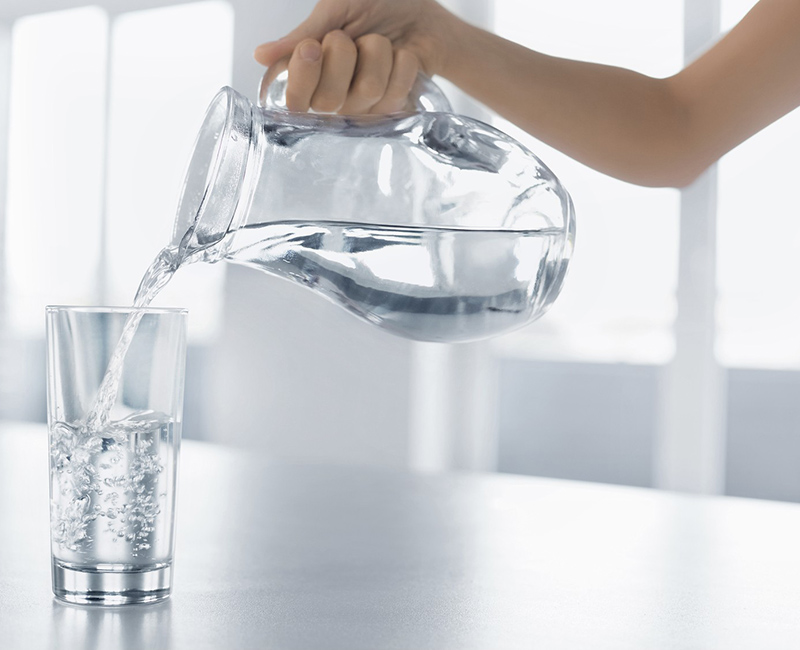
    When I have a patient with lots of complaints and symptoms I often tell them to do one thing”, he said. “Take your weight, divide by two, and drink that number of ounces of water every day. When they come back to see me in two weeks, 90% of the time their symptoms have significantly improved.

    Though there is no real science behind the “8 glasses of water a day” rule, that doesn’t mean it’s not a good idea. About sixty percent of our bodies are water. And if we don’t stay hydrated, the first thing to go is physical and mental performance.

    Even as little as a 2% loss of your body’s water content can make a significant difference. (Athletes can lose up to 10% of their water just by sweating.) And let’s not forget that muscle is a whopping 80% water!

    Water can also affect mood. One study of young women showed that fluid loss of as little as 1.36% following exercise impaired both their concentration and their mood. It also increased their number of headaches. And in case you think that’s just a “woman” thing, the same thing happens in men. A study in young men found that a fluid loss of only 1.59% increased feelings of fatigue and anxiety. That small amount of dehydration also had an effect (not a good one) on their working memory.

    Drinking more water can also help with headaches, kidney stones, and constipation (especially constipation!).

    And then there’s weight loss.

    In two separate studies, drinking about 17 ounces of water was shown to increase metabolic rate by up to 30% for up to 1.5 hours. A third study showed that dieters drinking half a liter of water before meals lost 44% more weight.

    In the weight loss community, it’s long been an article of faith that drinking more water can help you lose fat. The prescription has always been the one my unnamed colleague at that LA Times health fare repeated so many years ago: Take your body weight, divide by 2, and drink that number of ounces of water.

    It’s an easy way to make a quick upgrade to your overall health—and it might even help you shed some body fat at the same time!

  • Seven Part Lifestyle Plan – STEP TWO: Front Load Your Calories

    Seven Part Lifestyle Plan – STEP TWO: Front Load Your Calories

    Most of you probably never heard of Adele Davis, but back in the 60’s and 70’s she was the most recognized nutritionist in the country. And she had one piece of brilliant advice that I still remember to this day. Here’s what she said:

    “Eat breakfast like a king, lunch like a prince,and dinner like a pauper”.

    And that, my friends, is the essence of step two.

    You don’t have to change a thing you’re eating (and that goes double if you did step one). This is not about what you eat, it’s about when you eat it and how much.

    Now you probably know that front-loading our calories early in the day is the exact opposite of the way we normally eat. Most of us skimp on breakfast and lunch and then have a huge dinner, especially when we eat out.

    That’s precisely the wrong way to do it.

    Years ago, Health magazine did a really interesting feature on how to gain weight. (Yes, you read that right.) They figured if we knew what people did to successfully gain weight, we’d know what not to do. Clever, right?

    But who in the world wants to gain weight, you might ask?

    Sumo wrestlers.

    Health magazine followed around a few competitive sumo wrestlers whose living depends upon them being enormous. Know what they’d do? They’d train for hours, then eat a huge meal and go to sleep.

    Conventional dietitians and other mainstream health know-it-alls have been telling us for years that “a calorie is a calorie” and it doesn’t matter when you eat it.

    Excuse my French, but they’re full of shit.

    Try front-loading your calories earlier in the day. Eat lightly at night, and early.

    And watch what happens.

  • Seven Part Lifestyle Plan- STEP ONE: Eat Real Food

    Seven Part Lifestyle Plan- STEP ONE: Eat Real Food

    Whenever someone tells me how confused they are about diet—which is pretty much every day of my life—this is what I tell them to do. It’s the simplest, easiest “intervention” you can do. It doesn’t require counting grams, calories, ounces. It doesn’t require that you evaluate the pros and cons of high fat, low fat, paleo, vegetarian, raw food, high protein or any of that stuff.

    In fact, it’s so simple it’s hard to believe it works as well as it does.

    But it does work. Probably more powerfully than any diet program and certainly easier to sustain for the rest of your life.

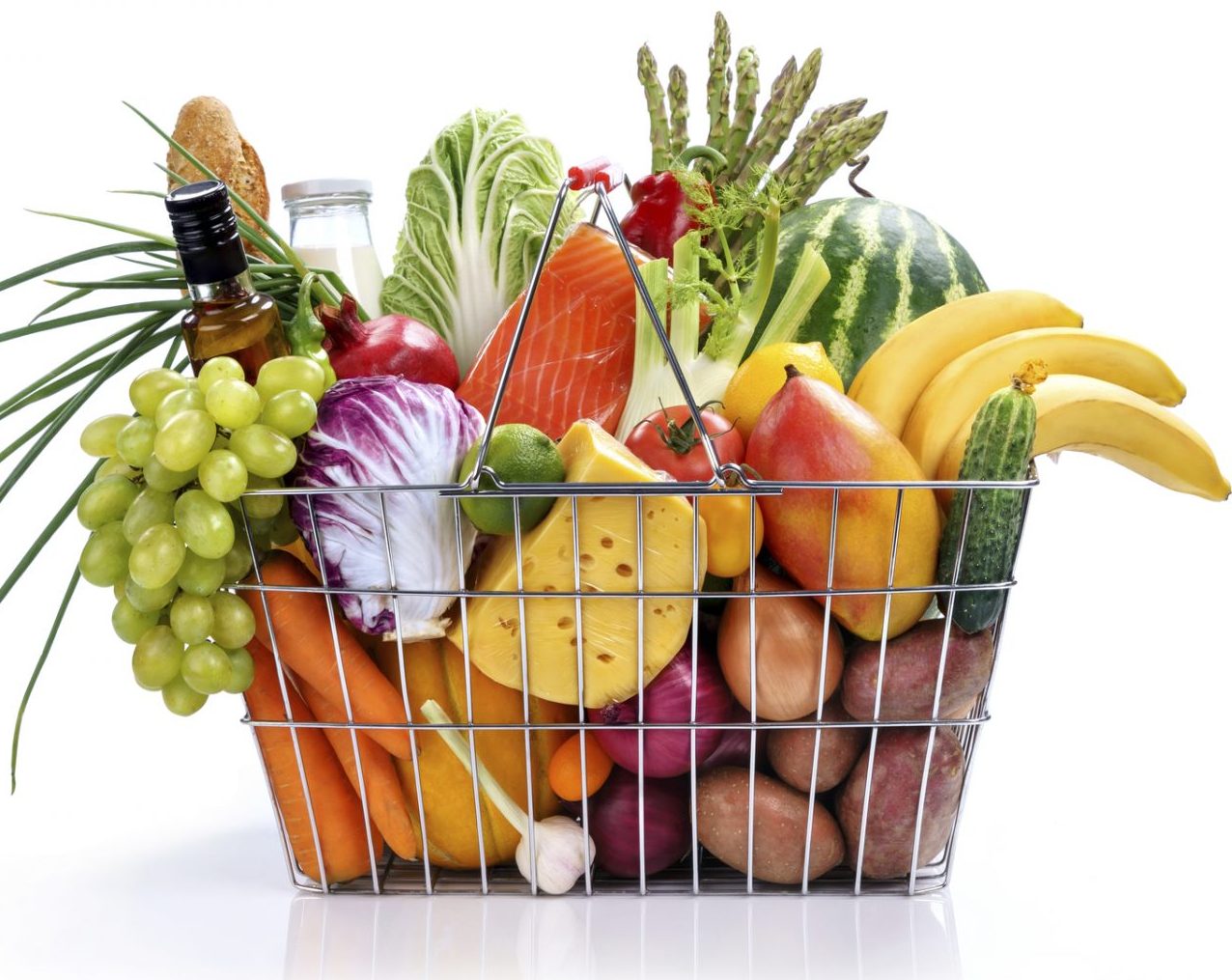
    So here’s the deal. Every morsel that goes into your mouth has to pass one test, and one test only.
    It has to be real food.

    OK, I can almost hear some of you saying, “I wonder what he means by “real food”?”

    Good question. We all know that broccoli and almonds are real food, and we all know that Twinkies and Corn Flakes aren’t. But most other foods fall in between.

    So here’s the rule: If you’re not sure if it’s “real food” or not, it’s probably not. Don’t eat it. Don’t give it the “benefit of the doubt”. If it comes in a box, if it has ingredients you don’t recognize except from chemistry 101, if it looks like it could live on the shelf for a couple of years, don’t eat it. Period.

    I realize there are exceptions and some decent “real” foods might be tossed aside, but I’d rather you err on the side of safety and clean eating. I want you to eat from what I call the Jonny Bowden Four Food Groups: Food you could hunt, fish, gather or pluck.

    I don’t care what or how much you eat, as long as it passes this single test: Is it real? Is it food your great grandmother would recognize as food? (Hint: Great grandma would have no idea what to make of “Lunchables”. Or a box of juice. Or a frozen dinner, even the supposedly “healthy” kind like Amy’s. Sorry.)

    I don’t even care if you eat dessert. Raw food desserts are beyond luscious, especially if you like the taste of coconut, and even though they’re sweet and delicious, they’re still made with real food, so they get a green light.

    You get where I’m going here? This is not a diet. It’s a “pre-diet”. You can always figure out the proportions of protein, fat, and carbs later on. You can always figure out the timing of meals later on. All those things are details. Will fine tuning make a difference? Sure. But right now, let’s save the fine tuning for the “advanced course”. We’re working here with basics—basics that will make an enormous difference in how you feel and how you look.

    Real food is the first step. And allow me to let you in on a secret—sometimes a first step is all you need.

    In 12 step programs like AA, there are a whole lotta people who got sober without going beyond the 1st step (“Admitted I was powerless over alcohol”.) They may never get to the amends part or the inventory part, but they still get sober because that first step is so powerful.

    Real food is your first step. It might even wind up being your only step, which would still be OK because by eating nothing but real food, you wind up eliminating half the junk in the American diet.

  • Grilling Your Way to Cancer? You don’t have to.

    Grilling Your Way to Cancer? You don’t have to.

    [vc_row][vc_column][vc_column_text]

    Everyone says grilling meat causes cancer. Read what to do about it.

    By Jonny Bowden

    Barbeque season has arrived, which brings me to my annual message on healthy grilling.

    There is a smart way to grill, and a dumb way to grill. The first helps protect your health, the other does exactly the opposite.

    I recently had the opportunity to discuss healthy grilling when I appeared on Sacramento’s KCRA News and KXTVNews. During both interviews, I suggested that the single most important thing viewers could to protect themselves against cancerous compounds formed while grilling was to make a marinade:  of herbs, spices and Malaysian palm oil.

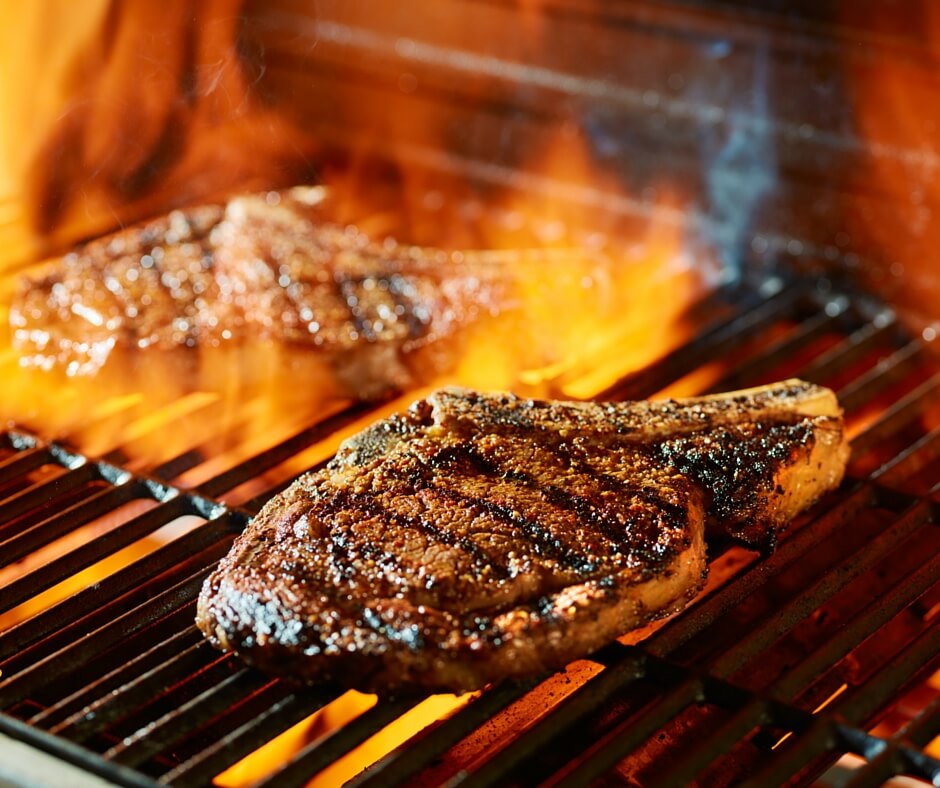
    The first commandment of grilling: Don’t leave food on the grill until it blackens. Those big flames licking your hamburgers may make the burger look mouth-watering, but what those flames are doing to the burger from a health standpoint is a disaster.

    See, the single biggest danger with grilling is high heat. Those big, attention-getting flames interact with the meat to form compounds called heterocyclic amines, which are carcinogenic.

    There are safer ways to prepare your meal.

    Making a marinade from oils and spices is a great grilling strategy. There’s solid research showing the protective effects of a good marinade as it really cuts down on all the compounds that you don’t want from your barbecue.

    As with everything, details matter, and in this case the details are in the choice of oil and choice of herbs and spices. Some oils work better than others for the marinade. Our diet is way too high in pro-inflammatory omega-6s, which are exactly what we’re consuming when we use vegetable oil. You are much better off switching to some better oils, like Malaysian palm oil. This red oil is filled with carotenoids and tocotrienols and I also like using it because of its sustainability. Malaysia protects 50 percent of their forests, which means there, no orangutan habitats are harmed in the making of palm oil.

    Adding herbs and spices with antioxidants and anti-inflammatory qualities to a better quality cooking oil can spruce up the marinade too. If you look on any nutrition data site, you’ll see that pound for pound, herbs and spices are more nutritionally rich than practically any other class of food. You can’t go wrong with any of them, but I particularly like using turmeric, oregano… or both.

    As Dr. Masley and I wrote in our recent book, Smart Fat, spices are like a medicine cabinet, stocked with terrific, health-giving, natural remedies that we don’t use nearly as much as we should. Use them! Cover whatever you’re grilling with Malaysian palm oil and then just go to town with any or all of the herbs and spices you’ve got on hand. Keep the heat a little bit lower than normal—eat meat, fish and chicken just a tiny bit rarer, and you’ll be doing yourself—and everyone at your BBQ—a tremendous service!

    [/vc_column_text][/vc_column][/vc_row][vc_row][vc_column][vc_column_text]

  • Seven Spices that Can Improve Your Life

    I know that it may sound like a little bit of hyperbole but I think by the time you finish reading this, you will agree that these are probably some of the most under-rated substances in the entire world. They’re gorgeous, easy to use and the amount of health benefits that accrue to them is just so under-appreciated. In fact, I call spices stealth health foods because of all the benefits that have been found to accrue. I’ve selected the following seven.

    oregano            Let’s start with Turmeric; the spice that makes Indian food yellow. The active ingredient in turmeric is a group of compounds known as curcuminoids or collectively as curcumin. It’s really what gives turmeric its superstar status in the spice world. Research on curcumin shows its effects on regulatory mechanisms and the preventer of cancer, neurological, inflammatory diseases. We’re going to be talking a lot about inflammatory diseases because actually every disease is in a certain way an inflammatory disease. Andrew Wile, America’s integrative medical authority says three reasons to incorporate Turmeric to your diet are to prevent Alzheimer’s, arthritis and cancer.         How do you get turmeric in your diet? You can sprinkle it on scrambled eggs or make a turmeric tea?  I take turmeric as a supplement largely because as great as it is, it’s not well absorbed.

    Ginger has the deserved reputation as being a wonderful calming substance for the stomach. Research has been done on ginger as a cancer preventative.

    I’ve written a number of books in which I talk about four things that age the body and promote every disease and they are inflammation (top of the list), oxidation, stress and sugar in the diet. Inflammation is involved in diabetes, cancer, obesity, heart disease and every degenerative disease. Anything we can do to lower inflammation is extremely important for our health. Oxidation: the damage done by free radicals that are found in oxygen. It’s kind of a rusting. Oxidative stress is a major part of aging and just about every degenerative disease you can imagine. Antioxidants help fight the damage done by these marauding free radicals.

    A study by the American Chemical Society found oregano to have the highest ranking antioxidants of any herb. It appears to contain some diabetes fighting compounds as well. I prefer the oil of oregano, not really the spice itself. Oregano oil is anti-microbial. WebMD says it should be taken by mouth for parasites, allergies, a cold, the flu and fatigue.

    The main beneficial compound in hot chili peppers is capsaicin. During the 2008 Democratic campaign, when she was running against Obama for the nomination Hillary Clinton was asked how she kept up through that grueling campaign and she attributed much of her endurance and energy to red hot peppers! Red peppers are easy to eat, easy to find, inexpensive, and have great health benefits.

    Garlic is probably the number one medicinal food in the world. It goes back thousands of years. It’s been found to be helpful for the heart, for the immune system, helps kill parasites, it’s a natural antibiotic and it’s great for blood pressure. Matthew Boudoff, a cardiologist at the UCLA David Geffin School of Medicine, has done a lot of research on garlic. He found that it actually reduced plaque. Aged garlic extract was shown to inhibit the progression of atherosclerosis to lower blood pressure, improve oxidative stress and enhance circulation. Garlic has to be chopped up and broken down in order for two compounds to mix together and create allicin. There are studies showing the anti-cancer mechanism of sulfur-containing compounds of which garlic and onions are two prime examples.

    Cinnamon. A 2004 study showed that cinnamon actually improves blood sugar, glucose and lipids of people with type two diabetes. In the eleven years since this study was done, not all studies have duplicated this. Some have shown great results with cinnamon, some have not. However, there’s just no downside to using it and there’s potentially lots of upsides. There’s a meta-analysis of all the studies of cinnamon use in type two diabetes, and on the whole, they’re very positive. Here again the effect of cinnamon tea on postprandial, just means after eating, postprandial glucose simply means your blood sugar after you eat and cinnamon has a nice muting effect on that. Here again, more experimental evidence, more reviews and here once again, big surprise, turns out that cinnamon may also have some anti-cancer properties which is a very nice little side benefit so if you’re taking it for blood sugar oh look at this, it may also have some effects on cancer cells, not a bad side effect.

    Sage is an anti-oxidant and a powerful anti-inflammatory. It seems to have a great effect on memory in both younger people and in older. An interesting article shows that sage actually improved glycemic control and lipid profile in type 2 diabetics. In a study, they gave sage to a test group and they found that it lowered their fasting glucose; it brought down blood sugar. It lowered triglycerides which I consider to be a serious risk factor, far more important than cholesterol, and finally sage increased HDL cholesterol which is generally thought to be the good cholesterol; a list of great effects from a simple spice like sage.

    I hope I’ve begun to open your eyes to what’s available in the spice world and the health benefits of these spices. There are spices for weight loss and they include the cayenne pepper because of its effect on energy balance and metabolism in general. There are the cancer fighting spices: garlic and ginger and cayenne pepper and turmeric. My new book, Smart Fat, has several principals: eating more fat, eating more fiber and the third one is about flavor and it’s in there for two reasons. One is when you use these spices it makes your food taste better and let’s face it, if health food tastes like straw and sawdust, nobody is going to eat it. The second stealth benefit of those flavors is all the anti-inflammatory and the antioxidant fire power that these spices have. So begin to use them, make friends with them, try them in every different kind of way. Ask your kids to be part of the whole cooking process and get friendly with these spices. Most of us have a spice rack in our kitchen that hasn’t been used. Get nice new fresh spices and start using them on everything. See what they taste like, get to know them, see how they mix and match with other flavors and you really will be opening up a whole world of flavor and a world of health.


    By Jonny Bowden, PhD, CNS aka “The Nutrition Myth Buster”™


  • Omega-7 for Inflammation?

    Omega-7 for Inflammation?

    [vc_row][vc_column][vc_column_text]

    I would like to talk to you about the reason why I recently added Omega-7 to my daily supplement regimen.

    Inflammation is in the heart of every degenerative disease, promoting heart disease and definitely a component of obesity and weight gain.

    Inflammation and weight gain are fellow travelers.

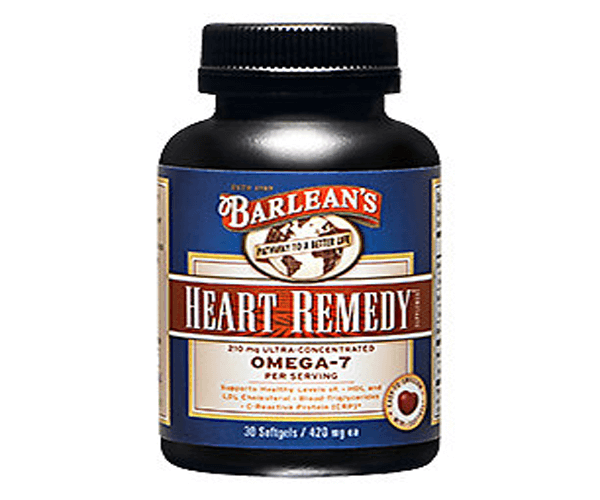
    In a clinical trial, they gave people 210 mg of Omega-7 and they found out that it lowered inflammation by an astonishing 44%.

    I recommend Barleans Omega-7 “Heart Remedy” supplement; this particular brand is 210 mg in dosage and comes from anchovies.

    Watch this short video and discover the benefits of the Omega-7.

    By Jonny Bowden, PhD, CNS aka “The Nutrition Myth Buster”™

    [/vc_column_text][/vc_column][/vc_row][vc_row][vc_column][vc_empty_space height=”22px”][/vc_column][/vc_row]

  • Drink Green Tea for Supreme Health

    I’m a huge fan of tea for its health and revitalizing properties. All tea is great, but green tea stands out for one particular compound, EGCG. Epigallocatechin gallate has been available as a supplement for a long time. It is a member of the family of substances found in tea called catechins. Catechins belong to a larger class of plant chemicals called polyphenols, which are thought to be responsible for many of tea’s health benefits.

    green tea            EGCG has been of special interest to people trying to get an edge on increasing energy or lasting fat loss. It sparks a process in the body known as thermogenesis. Thermo means ‘heat’ and genesis means ‘making new things.’ You’re making heat when you’re digesting food.

    Green tea consumption leads to a significant increase in calorie burning, a decrease in bodyweight, and a decrease in waist circumference. Surprisingly, the effects are achieved without producing any change in heart-rate or blood-pressure. Researchers think that one of the ways green tea accomplishes this is by prolonging the effect of norepinephrine, a stimulating chemical.

    In one study for the American Journal of Clinical Nutrition, researchers measured energy-expenditure, or the calories that were burned, in ten healthy young men. Each was randomly given either a standard green tea extract pill, 150 mg of caffeine, or 150 mg of an inert placebo. Believe it or not, the caffeine was no better than the placebo at speeding up metabolism. However, the men who received the green tea extract burned an average of 78 calories a day more. It may not sound like a lot, but over the course of a week or month, those numbers will add up. So where’s your cup?

    If you are not drinking green tea, now’s a good time to start. Make a hot pitcher of it in the morning, put in several tea bags, and let it steep for a few minutes. You can sweeten it with a little bit of Truvia or Stevia; pour yourself a hot cup and refrigerate the rest. Most of the research shows that the sweet spot is between three and five cups of green tea a day.

  • Top Five Healthy Habits for Extending Your Life

    Top Five Healthy Habits for Extending Your Life

    [vc_row][vc_column][vc_column_text]

    Let’s be honest- if you could find the recipe for a long, robust life of optimal health and vibrant energy, you’d probably discover that it has a lot more than five ingredients. People who maintain phenomenal health well into their ninth and tenth decades probably do a whole lot of things differently than the average person. That said, you can’t go wrong cultivating the following five habits. Every one has been shown to have a significant connection to either a longer or a healthier life- sometimes both.

    family

    1. Stay connected. Study after study demonstrates that people who maintain strong personal and social connections have better health outcomes than people who don’t. Stay involved. Even caring for an inanimate object can actually extend your life and boost immunity. In one study, a group of nursing home residents who were given a plant to take care of had significantly better health outcomes (and less deaths) than those who weren’t. There’s a reason married men live longer than single men!
    2. Walk every day for 30 minutes. We can debate whether walking is the ultimate complete exercise (it’s not), but the fact is that 30 minutes a day of aerobic exercise protects the brain and may stave off nasty degenerative diseases like Alzheimer’s and cognitive decline. Evidence from the National Weight Control Registry shows that walking is one of the main habits of people who successfully keep weight off. And massive evidence shows the cardioprotective effects of even moderate aerobic exercise.
    3. Take fish oil daily. If there’s one supplement that could benefit just about everyone on the planet it’s fish oil. The omega-3 fats in fish lower triglycerides, protect the heart and brain, help regulate mood, fight depression and may impact memory and cognition. Best of all, fish oil is one of the strongest natural anti-inflammatories there is, and inflammation- “the silent killer”- is a component of virtually every degenerative disease from obesity to heart disease to Alzheimer’s.
    4. Eat a high fiber diet. High fiber diets have been associated with just about every positive health outcome you can imagine. Health organizations recommend 25-35 grams of fiber a day– the average American gets a paltry 8-11 grams. Fiber helps with weight loss, helps regulate blood sugar, and may protect against some forms of cancer. Best of all, the only way to get it is by cultivating yet another life-extending habit: eating real foods, namely vegetables, vegetables and more vegetables. Plus fruit and beans.
    5. Destress your life: Sure, it’s easier said than done but consider this: a consistently high level of the stress hormone cortisol kills cells in the hippocampus, an important area of the brain needed for memory and learning. While some stress is actually beneficial, most of us have way too much, much too often. Destressing- and it’s companion activity, restful sleep- restores valuable balance to the body’s systems and probably extends life. Maybe it’s no coincidence that the ever mellow Tibetian monks are among the longest lived people on the planet.

    [/vc_column_text][/vc_column][/vc_row][vc_row][vc_column][vc_column_text]

    And hey, while you’re on a roll, it wouldn’t hurt to add a few more healthy habits to the list. Drinking green tea and red wine would be a real good idea, as would eating fish a couple of times a week. Reducing calories (you don’t need nearly as many as you think) has been shown in animal studies to extend life- give it a try. Add eight glasses a day of clean water, a little sunshine and a healthy dose of gratitude- I’m willing to bet you’ll be around to watch your grandkids graduate college.

    By Jonny Bowden, PhD, CNS aka “The Nutrition Myth Buster”™[/vc_column_text][/vc_column][/vc_row][vc_row][vc_column][vc_empty_space height=”22px”][/vc_column][/vc_row]

  • What Do Home-Cooked Meals Have To Do With Health, Energy And Vitality?

    Here’s a tip that can make a huge difference in your health and vitality, and it costs absolutely nothing to implement. It’s not a fancy Brazilian berry, it’s not an overpriced multi-marketing juice, and—(insert eye roll here) it’s definitely not Kangen alkaline water. Yet this simple change in your eating routine can help you boost your health, your energy, and your waistline.

    Are you ready?


    17 (1)Home-cooked meals are guaranteed to have better ingredients than what’s routinely used in prepared or processed foods.
     You’re not going to add a bunch of unpronounceable chemical fillers, extenders, preservatives, colorings and flavorings. You’re not going to fry in reused, damaged vegetable oils. You’re going to try to buy the freshest ingredients you can find. Those facts alone elevate home prepared meals way above the usual restaurant fare.

    Then there’s the intangibles. Dozens of studies have demonstrated that kids that eat meals with their families do better on nearly every metric studied. Food prepared at home with love and mindfulness creates a bond with those you eat with that simply can’t be duplicated with take-out. And the bonding that takes place at family meals can be great for relieving stress, as well as increasing the quality of the relationships.

    Home prepared meals don’t have to be huge, time-consuming gourmet affairs. Just start making the shift to home eating one meal at a time. Even a few meals prepared at home and eaten together with family members may make a huge difference in your health, energy and longevity, not only for yourself, but for the entire family!