Category: Weight-Loss

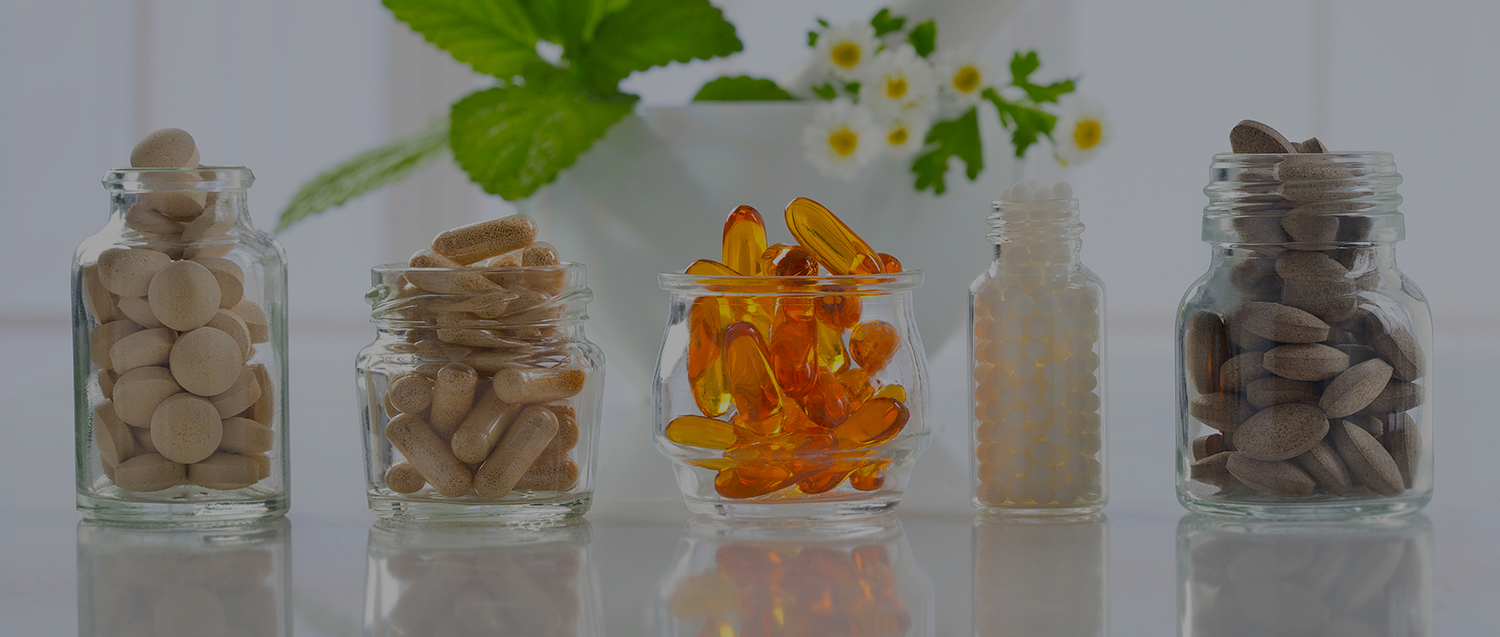
  • How and Where To Buy Vitamins

    How and Where To Buy Vitamins

    Many of you have asked me variations of the following questions:

    • How do I know what supplements are good and which ones are junk?
    • How do I know which supplement brands are reliable?
    • Where should I buy my supplements?

    The whole story on nutritional supplements

    For about five years, after I first opened my website, I sold nutritional supplements online. I sold only brands I used for myself, my family, and my clients, brands that are considered “doctor brands”.

    “Doctor brands” are the supplement lines usually carried in the offices of people who practice functional medicine, licensed naturopaths and functional nutritionists (like me). They include high-end lines like Vital Nutrients, Thorne Research, Designs for Health, Allergy Research, Douglas Labs, which are not readily available to the average person.

    You can get these brands—sometimes—on Amazon.

    But don’t. I’ll tell you why in a minute.

    Back to the story.

    I’d painstakingly comb through the catalogs of these high-end vitamin lines, and choose the formulas I liked. In a short time, I had curated a nice boutique catalog of about 250 or so products, most of which I used in my private practice and with my family.

    We bought in (small) volume from the top professional distributor in the country (then, as now, Emerson Ecologics) and sold at retail or with 10% discount for patients.

    And that worked fine—until Amazon took over the world. (Don’t get me wrong—I love Amazon. But they had a very definite effect on the supplement industry, and most of it was not good. More on that in a moment.)

    So why didn’t health professionals like me just send our patients to Emerson directly?

    Simple. Because Emerson doesn’t sell to the general public.

    So what?

    Now, you might well ask, why does it matter? I can get magnesium anywhere including Costco and CVS, and I can even find some of these elite brands you’re talking about on Amazon.

    Yes, you can.

    But there’s a problem.

    Let’s start with magnesium because it’s a great example of why doctors and health professionals sell supplements in their offices in the first place.

    If you came into my office and I told you I want you to take magnesium every day, you’d go out and find it on Amazon and that would be that. Maybe you’d pick a popular brand- like Twinlab—and figure you’re good.

    But Twinlab’s popular magnesium is 100% magnesium oxide, the cheapest and least absorbable form of magnesium. There’s also magnesium glycinate, magnesium citrate, magnesium threonate, magnesium chelate…. You get the idea. All have different profiles and different uses. Not to mention different doses and different bioavailability.

    But even if I told you I want you to specifically take “Doctor Brand Magnesium Formula XYZ” we’d still be in trouble. Because the only place you could find it would be on Amazon, and now I’ll tell you why buying it there is a bad idea.

    Most of the doctor brands sold on Amazon are fakes, counterfeit or expired.

    I know this for a fact because I’ve talked to the CEOs of many of the companies whose products are being sold illegally. I meet these vitamin company reps at shows and medical conferences where they exhibit, such as the American Academy of Anti-Aging Medicine or the Scripps Annual Conference on Evidence-Based Supplements. I’ve known most of them for a long time.

    And I can tell you that none of them authorize their stuff being sold on Amazon, and they vigorously pursue legal action against anyone selling it. And that includes just about 100% of the Amazon resellers of high-end vitamins and supplements. My contacts at these companies tell me that invariably, the stuff the unauthorized folks are selling illegally on Amazon turns out to be either expired, re-cycled returns,  counterfeit, or made in China.

    FINALLY, A SOLUTION

    So if you want authentic versions of the best supplements sold in America, what should you do?

    Glad you asked.

    There is now an online dispensary called FULLSCRIPT on which patients can now order any products in the Emerson catalog. All you have to do is sign up under the name of a health professional (MD, PhD, RD, ND, etc) who already has a clinical/professional account.

    I have had such an account for almost 25 years, and now, through my patients’ FULLSCRIPT portal, I am thrilled to say I can offer the entire Emerson catalogue to you, including all the products I use myself.

    SIGN UP FOR FULLSCRIPT

    Here’s how you shop at my personalized FULLSCRIPT store. It’s an EASY three-step process.

    1. Go to THIS special link to my Rockwell Nutrition/Dr. Bowden Fullscript store
    2. Enter your email address, name and choose a password and sign up for your own account
    3. Browse the catalogue and order anything you like.

    And be confident knowing that you’re choosing from the best brands of nutritional supplements in the world.

    And you’ll get at least a 10% discount on anything you order through that link.

    The reason I rarely mentioned brands before this

    In the past, I rarely mentioned specific brands when talking about nutritional supplements, because I knew in my heart it would be almost impossible for you to find the ones I used, so why tell you about them?

    Now that I know you have a way to purchase the authentic versions of the same products I use, I’ll be much freer in mentioning the brand names of the products that fill my personal vitamin/medicine cabinet.

    So even if you don’t buy anything right now, go over to this special link to my fullscript store and sign up for an account. (If you already have a Fullscript account and see options for which practitioner you’d like to choose, I’d be incredibly grateful if you choose my name and store Rockwell Nutrition)

    When I worked as a clinical nutritionist in New York, I worked with a well-known MD who practiced integrative, functional and nutritional medicine. He had a sign in his office that read as follows:

    Don’t Look For Bargains In:

    1. Parachutes
    2. Tattoos
    3. Nutritional Supplements

    It’s as true today as it was 20 years ago.

  • Why You Should Care About Free Radicals

    Why You Should Care About Free Radicals

    Did you ever wonder why apple slices start to turn brown when you leave them out on the picnic table?

    Or why unprotected metal left outside will start to rust?

    Here’s the reason: free radical damage.

    Free radicals are rogue oxygen molecules that are missing an electron, and will, therefore, attack anything in sight in search of a missing mate. The damage they do is called oxidative damage, or oxidation. It’s what happens to the apple slices, it’s what happens to the rusting metal, it’s what happens to your skin when exposed to too much sun, and it happens in your body—to every cell, to every organ, even to your DNA.

    Dr. Sinatra and I identified oxidative damage as one of the four major promoters of heart disease in our book, “The Great Cholesterol Myth”. Dr. Traylor and I identified oxidative damage as one of the major causes of aging in

    Oxidative damage (i.e. free radical damage) is no joke. There’s even a theory called “The Free Radical Theory Of Aging” that holds that aging is nothing more than “rusting from within.” Even cholesterol doesn’t become a problem in the body until it’s oxidized.

    The free radicals that cause all this oxidative damage can come from many things. Oxygen, certainly. But also toxins, household cleaners, pesticides, cigarettes, and air pollution. Your first action should be to limit your exposure to things that are obviously toxic (i.e. cigarettes and car exhaust and chemicals).

    Foods can also be potent sources of free radicals, especially fried foods, and especially meat that’s barbequed at high heat. Tip: Marinate the meat in a rich mix of spices, and barbeque at a lower heat. And instead of fried foods, load up your plate with antioxidant-rich berries, dark chocolate, nuts, beans, and leafy vegetables. Even if you still eat the French fries, those antioxidants will help mitigate some of the damage!)

    Anti-oxidants do exactly what their name implies—they are the antidote to oxidative damage. We all know the important dietary antioxidants–  Vitamin C, Vitamin E, and so on – but an even more important antioxidant is made in the human body and can’t be effectively obtained from supplements or diet. It’s called glutathione.

    Two other tips to help your body rid itself of excess free radicals:

    1. Top off your glutathione levels. Glutathione is the body’s master antioxidant. It mops up free radicals better, faster, and more effectively than just about any other substance. The body makes glutathione on its own, but as we age, our enzymes that make glutathione get weaker. There have been attempts over the years to make oral glutathione supplements, but for the most part, they haven’t been effective.

    Thankfully science is always evolving, and now there’s a safe way to prompt your body to make more. Glyteine, available in Continual-G products, works as a molecular signal that prompts the body to start producing more glutathione. In a couple of hours, you’ll have more glutathione in your cells, which is exactly where it’s needed.

    2. Upgrade your sleep. A lot of really important things happen when you sleep, and bad things happen if you are sleep deprived. It turns out that one of the major things that happen during sleep is the repair of oxidative damage. Even the most powerful antioxidants on the planet won’t be put to full use if you’re not getting enough sleep and if you’re not getting good quality of sleep. That’s why it’s especially important right now to keep a consistent sleep schedule.

    And if you’re not getting enough sleep and would like to extend your time in bed—and who wouldn’t—there’s a “right” and a “wrong” way to do it. Contrary to popular opinion staying in bed later doesn’t work nearly as well as going to bed earlier. Try adding sleep time by going to bed a half-hour earlier every night for a week, and when you’re acclimated to that, add another half-hour.

    Your metabolism, your mental health, and your waistline will all thank you.

  • Study Points to the Truth About Saturated Fats and Heart Health

    Study Points to the Truth About Saturated Fats and Heart Health

    Since almost the beginning of my career I’ve suspected that the medical and nutritional establishment was wrong on fat and cholesterol. For the last two decades, I’ve been certain of it. And the research—especially since 2010, has backed me up. Saturated fat does not cause heart disease. And neither does cholesterol.
     
    Whoops.
     
    Now, a new and beautifully designed study out of Malaysia adds more fuel to the bonfire on which we should burn terrible notions such as the fear of witches, the belief that the Milwaukee Brewers will win the World S     eries, or the misguided and unsupported fantasy that banishing fat from our diet will have any positive impact on heart disease or diabetes.
     
    Scientists in Malaysia studied the diets of 577 healthy adults, but in a much more sophisticated way than is usually done in epidemiological studies.
     
    First of all, they didn’t just      study a single macronutrient (i.e. fat, carbs or protein); they studied patterns of eating (i.e. low-carb high fat, high-carb low-fat, high-carb high-fat, and low-carb low-fat). I studied under a legendary gestalt psychologist when I was in my Master’s program at the New School, so I’m very much a fan of looking at patterns and context when it comes to health. (The word “gestalt” means “an organized whole that is more than the sum of its parts”.) So looking at patterns of eating rather than a single component of the diet seems to me a major upgrade.
     
    Second of all, they didn’t just measure “cholesterol” as a stand-in for heart disease, a “gold-standard” measurement of the 1960’s, but long past its expiration date. They measured real, meaningful markers that are relevant today and supported by research, like cholesterol particle size and insulin resistance. (I     n my opinion, insulin resistance is the earliest and most consistent predictor of future heart disease, a subject I will cover in depth when the new edition of The Great Cholesterol Myth comes out next year.)
     
    Here’s what the study found after examining patterns of eating and relating them to advanced and meaningful risk factors for heart disease:
     
    It didn’t much matter how much fat people ate.
     
    What did matter was the percentage of carbs in their diet.
     
    Both patterns of lower-carb eating— whether the high-fat version or the low-fat version—did better than both versions of higher-carb eating, whether the high-fat or the low-fat version.
     
    The pattern of eating that was the most associated with the most cardiovascular risk was… wait for it….high-carb high-fat.
     
    (This reminds me of something Professor Jeff Volek once told me in an interview, something that’s been known by low-carb researchers for over a decade:  “Saturated fat behaves very differently in the context of a low-carb diet as opposed to a high-carb diet”.)
     
    It should be noted that in this study, the majority of fat consumed in the diets was Malaysian palm oil, which is indeed 50% saturated, with the other 50% coming mainly (40%) from monounsaturated fat, the same kind found in olive oil and avocados. It didn’t make a bit of difference as far as cardiovascular risk was concerned.
     
    What did make a difference—and it bears repeating— was consuming a high-carb diet. Restricting carbs had a significantly greater benefit to heart health than restricting fat consumption. Those eating a high carb/low fat diet had worse outcomes.
     
    And evaluating them for multiple heart disease risk factors, researchers in Malaysia concluded something remarkable:
     
    These results fly in the face of traditional advice. You might predict that people following low-fat diets would have better cholesterol profiles than those eating high-fat diets. That did not happen in this study.
     
    The newly published study also took other factors into account, including lifestyle, genetics, age and socioeconomics. These study participants lived in urban areas and held white collar jobs. And they were a healthy bunch. They didn’t smoke or drink. They didn’t have diabetes, high blood pressure, heart disease, kidney disease or cancer. None had ever had a stroke. Even their thyroids were working properly! 
     
    What does this mean for you and me? It’s never a good idea to completely ignore an entire food group. Proteins, fats and a limited amount of carbs all deserve a place in a heart-healthy diet.
     
    If you should do one thing different because of this study, it’s this: Pay closer attention to the type of carbs you’re eating. And for goodness sake, stop worrying about fat.

  • Social media influencers are going to change the world. Here’s why.

    Social media influencers are going to change the world. Here’s why.

    [et_pb_section fb_built=”1″ _builder_version=”3.22″][et_pb_row _builder_version=”3.25″ background_size=”initial” background_position=”top_left” background_repeat=”repeat”][et_pb_column type=”4_4″ _builder_version=”3.25″ custom_padding=”|||” custom_padding__hover=”|||”][et_pb_text _builder_version=”3.27.4″ background_size=”initial” background_position=”top_left” background_repeat=”repeat”]

    I had the honor of speaking at ShiftCon, an expo of the top health and wellness influencers.  These aren’t your everyday bloggers. They truly are the cream of the crop who have lofty goals for themselves. ShiftCon values transparency, good health and eco-friendly practices so I felt at home among this group. What really impressed me about ShiftCon bloggers was their passion for straight, honest, fact-based nutrition information. They desperately wanted to know how to spot the myths and speak the truth to their community. This gave me hope that someday, we won’t be battling all the hype about what to eat and what to avoid. The truth will be as close as our favorite podcast or social media feed.

    My presentation, Fact Checking the Fact Checkers: Myths and Truths in Health Advice, was just prior to the conference’s keynote. This gave me the unique opportunity to bash a few myths while warming up this already highly engaged crowd. Watch my presentation here.

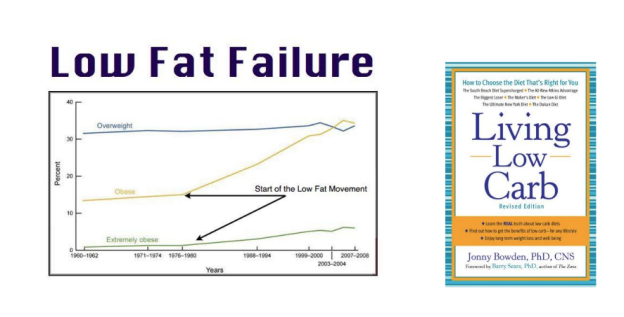
    Among other things, I explained that much of the nutrition advice shared decades ago was inaccurate and downright dangerous to our health, such as how the low-fat craze led to a devastating rise in obesity. I talked about the demonization of saturated fats, despite fact-based clinical studies documenting that its consumption does not increase heart disease risk. This misinformation grows and gets rooted in society making it hard to know what’s really true.

    In fact, a new study coming out of Malaysia reaffirmed that fat is not the problem in our diet. It’s a high amount of carbohydrates. When you accurately assess cardiovascular risk using modern measures, you get a very different story about which dietary patterns influence cardiovascular risk. Bottom line: We’ve been targeting the wrong macronutrient. Fat isn’t — and never was — the dietary enemy. 

    I also had the opportunity to personally connect with many bloggers while hosting a booth sponsored by ChecktheFactsReportTheNews.org. This is what really stirred my hope for the future and why I think these passionate influencers can make a difference in our society. These people are leaders, not followers. And they’re well educated on the issues plaguing us. I conducted a survey at the event which revealed this, as well as some thought-provoking issues. Read more about in my next blog: Want to know the next big thing? Look to these influencer survey results.

    [/et_pb_text][/et_pb_column][/et_pb_row][/et_pb_section]

  • The Prime of Ms. Jane Brody

    The Prime of Ms. Jane Brody

    Not too long ago, I picked up the Tuesday New York Times and went immediately to an article in the Science section on heart health. Seeing that it was written by Jane Brody, I felt the all-too-familiar knot in my stomach whenever I see her by-line (for reasons which will become clear in a moment). I wondered how long it would take her to get to the same old claptrap about cholesterol causing heart disease and saturated fat being “artery-clogging” and how high-carb diets are wonderful.

    As it turns out, not very long.

    Jane Brody has been the nutrition reporter for the New York Times since the invention of dirt. One thing you can say about her is that she’s consistent. She’s consistently advocated for establishment positions, arguing, Bagdad Bob-like, for the value of high-carb diets long past the time when most nutritionists worth their salt were abandoning it in droves. She continues to believe that statin drugs are the best thing since sliced bread, that cholesterol causes heart disease, and that saturated fat clogs arteries.

    She has great reason to keep believing that, since in all the years I’ve been reading her I’ve never seen her interview anyone who was not firmly in the medical and dietary establishments. In psychology, that’s called “confirmation bias”. Reading her work, you’d hardly know a vibrant integrative / functional medicine community—often playing the role of “opposition party”— even existed. She’s like a political reporter who only interviews Republicans. She is the one-woman equivalent of old white men deciding issues of women’s health.

    And her New York Times colleague, Gina Kolatta, isn’t much better. Though more focused on exercise, Kolatta routinely writes about nutritional issues from the point of view of establishment doctors who’ve never taken a nutrition course in their lives. Her recent article on vitamin D put forth the eye-popping position that 20 or so ng/ml is a perfectly acceptable level of vitamin D in the blood, essentially saying that all these people getting vitamin D tests and popping vitamin D pills are delusional.

    Wait—let me be fair and check that Kollata article on vitamin D once more. She did interview John Cannel, MD of the non-profit vitamin D council for that article, didn’t she? How about  Professor Michael Hollick, MD, PhD of Boston University Medical Center, arguably the most important vitamin D researcher of our time?

    No? She didn’t?

    Oh. Never mind.

    Back to Brody. It’s worth noting that she has no degree in nutrition or medicine. She’s a journalist with a very definite point of view, one that’s reinforced by the people she interviews and left unchallenged by the people she doesn’t.

    I’d wish that she’d retire, but she’d only be replaced by another just like her (Kolatta, maybe). I used to think that Jane Brody was the problem—even, in my more rambunctious and combative years, referring her to her once as the “antichrist” of nutrition. (OK, maybe that went too far.)

    But I now realize that I’m not as angry at Brody as I am at the people who read (and believe) her. It’s certainly reasonable to expect that a paper that bills itself as “the paper of record” would be a reliable source of information, which it is, most of the time. Sadly, when it comes to nutrition, that’s not the case.

    The Prime of Ms. Jane Brody has long passed. I’m sure she’s a very nice lady, and I wish her a long and healthy life. But I’d strongly advise taking everything she says with a healthy soupcon of sea salt.

    Remember that reporting “the facts” and quoting “the experts” makes you look objective.

    But the selection of which facts to report and which experts to interview remains very much a subjective choice.

    ________________________________________________


    Related:

    Alternative Facts Aren’t Just for Politics


  • Why Is A Nutritionist Talking About Amy Schumer?

    Why Is A Nutritionist Talking About Amy Schumer?

    You’re probably wondering, why is a nutritionist is writing about the Amy Schumer movie?

    Well, for the same reason I wrote about Kate going to fat camp in This is Us. Which is that it touches on issues that every nutritionist deals with on a daily basis.

    Look, I’m fully aware that anyone reading me wants to hear what I have to say about nutrition and health, not politics and media. But I’m also aware that nutrition is only part of the puzzle. Every aspect of human health—including our weight— is built on a number of different pillars of which nutrition is only one. These pillars include digestion, detoxification, sleep, plays-well-with-others, recreation, stress, exercise, relationships. Every one of them matters.

    So in the spirit of “everything is connected”, let me explain why I’m writing about the Amy Schumer movie. Three reasons.


    Number one: It’s about self-esteem.

    I started as a trainer on the floor of the first Equinox gym ever built, in Manhattan 27 years ago, and over the years I saw hundreds of clients in my seven years as a personal trainer, and hundreds more afterwards as a nutritionist. Through my articles and website and at live events I’ve communicated with thousands. The majority of my clients have been women. A very large number of them have had self-esteem issues. A very large number of, let’s see, everyone has self-esteem issues. And there’s no way to underestimate how important self-esteem is in your health and well-being.

    This movie is about self-esteem, It’s also about body image, something every trainer and nutritionist in America deals with multiple times on a daily basis.


    Number two: Amy Schumer.

    I’m about  to talk about a person’s appearance, and I’m sorry if we’re not supposed to say this stuff anymore because it’s not politically correct, but I’m going to say it anyway: Amy Schumer is not fat.

    Now the whole question of whether you can be “fat” and sexy and confident and healthy is totally worthy of discussion (the answer’s ‘yes, duh!’), but it’s not the point right now. The point is that if we all collectively acquiesce to the preposterous idea that this beautiful healthy girl with a few curves is “fat”, man we are going down the wrong road.

    Surprisingly, even a few of my closest women friends have told me, “well you know she has gained a lot of weight” in a whispered tone once used for statements like “you know, Aunt Mary has cancer”. I look at them like they’re off their rockers. I have many beautiful, sexy women friends in their forties who literally announce to me how fat they are every time I see them. I want to scream. YOU’RE NOT FAT, YOU’RE CRAZY. Stop buying into this shit! If Amy Schumer is your idea of a “fat girl”, you need a serious reality check. Please, people, don’t normalize this. Beauty doesn’t come in one size only.

    Amy Schumer’s not only not fat, she’s also really good looking. There’s a scene in a bathroom where Amy’s character is talking to a girl who just oozes Maxim Magazine, and is supposed to represent what guys, god helps us, supposedly think of as perfection, with her “perfect” little body in the tight little dress with her  “perfect” little face, and “fat” Amy is gushing over how incredible it must be to be so perfect. Meanwhile I’m thinking that if I were single, and a genie jumped out of a bottle and gave me a fantasy choice of spending a consequence-free night with either one of them, I’d be outta there with Amy so fast the wind from the door slamming would knock the little 90 pound glam queen right off her seat.

    And if you’re thinking of sending me hate mail because you think I love “fat” women, don’t bother. I don’t love or not love “fat women”—what I like is real women.


    Number three: The message

    I know that critics think this movie is sappy and preachy. I have two words for them and the first one I won’t say on my blog but it rhymes with a bird that quacks. And the second is “you”. This movie has a very important message and it delivers it in a beautiful and entertaining and meaningful way. The morning after Michelle and I saw it I was texting with every woman I know who has a girl child and urging them to get out and see this movie and to take their kids with them.

    I urge you to do the same. I hope every girl over the age of eight sees this movie.

    And guys of all ages, this might be a really good time to start re-evaluating what it means to be “beautiful” and “sexy”. Just sayin.[/vc_column_text][/vc_column][vc_column width=”1/4″][vc_widget_sidebar sidebar_id=”Blog Sidebar”][vc_widget_sidebar sidebar_id=”sidearea”][/vc_column][/vc_row]

  • Are starchy vegetables fattening?

    Are starchy vegetables fattening?

    Are starchy vegetables fattening?

    Believe it or not, there’s a ton of confusion out there about vegetables, particularly the starchy ones. Are some of them more “fattening” than others? Should they be avoided? Let’s take a look.

    Vegetables are usually classified as fibrous (broccoli, spinach) or starchy (potatoes, corn). There’s no question about the fibrous kind—they’re basically a “free food”, even on the strictest of low-carb plans like Atkins stage 1, or my own Metabolic Factor.

    But what about the others? After all, corn is a vegetable, right? How bad can it be?

    The short answer is this: If you’re a person for whom blood sugar management is a real issue—and there are plenty of us out there, believe me—then it might be a good idea to limit certain vegetables and legumes, like, for example, potatoes, beets and peas. (I never thought there was much to recommend potatoes anyway, so no big loss there, but sweet potatoes have a bunch of good things in them, yet suffer from the same “starch” problem as their anemic relatives.)

    But over all, I think the argument about vegetables and sugar is a bit of a tempest in a teapot.

    There are two real culprits in the obesity crisis: one, fast-acting carbs and sugars in breads, cereals, pastas, desserts, cakes, rolls, crackers and fast food. And two, the obscenely large portions of everything in general. (I recently attended my nephew’s 12th birthday party at a well-known Mexican restaurant in Los Angeles. I ordered a burrito. This is what came. Seriously.)

    And this is the “new normal”.

    So of course, you should watch your sugar intake and do your best to eat less sugar, starch and fake food. But with the exception of potatoes and corn and maybe beets, most vegetables don’t have much sugar, and even the sugar in corn and potatoes doesn’t amount to all that much when you compare it to, for example, this:

    I wouldn’t make a big deal of avoiding any vegetable, although I try to eat as little corn as possible since (unless it’s labeled organic) it’s all GMO, and I think white potatoes are pretty much a nutritional wasteland (not that I won’t occasionally indulge in a nice baked potato).

    But let’s choose our nutritional battles. As an old teacher of mine—the brilliant nutritionist and United States Department of Agriculture researcher C. Leigh Broadhurst, PhD– once said…

    “No one ever got fat on peas and carrots”.

  • What it feels like to be 70

    What it feels like to be 70

    [vc_row][vc_column el_class=”j-like-to”][vc_column_text]I’m going to tell you what it feels like to be 70 years old. But first, a quick story.

    My brother is a therapist, and he once told me of a client who said to him, “Mr. Bowden. I’m a single mother of two, I’m black, I’m poor, and I’m young. How could you—a white, middle-aged, middle class Jewish man—possibly understand me?”

    A reasonable question.

    My brother replied: “What you say is true. But even if I were a poor, black, young, single mother of two… I still wouldn’t know what it was like to be you having that experience. So why don’t you share that with me?”

    There’s a great lesson there. Circumstances—young, poor, black, privileged, white, rich, blind, short, seventy—don’t determine your experiences of those circumstances. Two kids grow up in the same neighborhood, same brutal poverty, same lousy environment, and one kid becomes a career criminal and the other becomes a judge. Go figure. You can be blind and sell pencils on the corner outside Macy’s, or you can be blind and be Stevie Wonder.

    Which brings us to the title of this article, What it feels like to be 70, a bit of a misnomer since I can only tell you what it feels like for me to be 70. With metaphysical certitude, you will have your own unique experience of being 70, which is exactly what I wish for you one day. Some of the things I’ll share with you might be part of your experience as well, many will not be, and you will have plenty of your own that are completely different from mine.

    And let it be very clear… I share this with you for one reason only. Because the lessons I continue to learn don’t just make me a better person, they make me a better understander of the human condition. I’m passionate about sharing the lessons I’ve learned—both about nutrition and about life– only because I’ve experienced their effects in my own life.

    So here’s what it feels like to be me on my 70th birthday.

    You start to get clearer on what matters, and what doesn’t, really.

    You realize that some battles are worth fighting and some are not. And you hope for the wisdom to tell them apart.

    You finally begin to understand the profound meaning of acceptance, (which feels very different from resignation).

    And…you come to accept something that you have been avoiding thinking about, which is this: the majority of your years are behind you.

    Now, I realize that could sound pretty depressing. And it could lead you down some slippery slope of self-pity—- “ah, the good old days, it’s all downhill from here…”

    Except I don’t look at it that way on my 70th.

    Sure, mathematically, if you’re 70 like me, you’re going to remain on this planet many less years than you’ve already been here. So what? The past 70 years had some stunning highs and some awful lows, but I’d hardly think of them collectively as “the good old days” that I wish I could go back to.

    Truth be told, my life started getting really awesome for me in my 60’s, which has been my greatest decade (so far), both professionally and personally. I have more passion now than I did 30 years ago. My business went to a new level. I met Michelle. And my tennis game finally improved (except, of course, for my serve. But don’t get me started.)

    The fact that most of the years of my life are behind me doesn’t mean that most of my living isn’t ahead of me.

    And since we’re on the subject of acceptance… let’s talk about bodies. And aging.

    When I was in my 30’s, 40’s and 50’s a big part of how I defined myself—how the world saw me and how I saw myself—was that I was extremely fit and had a really good body. Not bodybuilder good body, or Olympic gymnast good body, but very decent everyday good body. (Think Mick Jagger with definition.) While people my age around me were frequently getting sick, fat, tired, and depressed, I remained lean and mean, defined and committed to my health.

    Now, nearly two decades later, I lift weights twice a week. I play hard competitive tennis 12 hours a week. And I take walks. So I think I have the exercise thing covered. And while I don’t always live up to my own standards of eating, for the most part I eat pretty well. And my weight hasn’t fluctuated more than about 5-10 pounds in over 20 years, and anytime it creeps up into the higher range of that 5-10 pounds I know how to bring it back down, and I do.

    That said…here’s the truth: my body just doesn’t look the same as it did twenty years ago.

    Not even close.

    To be honest—this has been a source of shame for me. I almost never take my shirt off, even at the beach. I’m consciously comparing what I look like today with what I looked like then, and I haven’t felt good about it.

    Until now.

    So here’s the unvarnished truth about my body.

    One, I have a big structural/ muscular imbalance so that my pecs—far from being symmetrical and defined—look very different from one another.

    Two, I have a lot of fat around my chest, which may have been less noticeable when I was more muscular than I am today.

    Three, despite the fact that I’ve been working out for 31 years, my skin sags. It just doesn’t look like 30-year-old skin, no matter how much collagen I take. (Sure, collagen supplements probably slows the process of skin aging considerably—but they don’t eliminate it. Sylvester Stallone looks amazing and muscular at 70 but you wouldn’t mistake him for the Rocky lll version.)

    So today, on my 70th birthday I looked in the mirror, and instead of seeing what I wasn’t (my 30-year-old self) I saw what I was.

    And I decided that it was going to be OK.

    I’m always going to train, always going to try to get better, to look better, all that good stuff, but the fact is that this is who I am now, and, at least for today, I decided to make that be OK.

    And that included accepting some saggy skin, some body fat I’m not fond of having, and the fact that I’m asymmetrical (some might say weirdly shaped) as hell.

    And that I’m probably not going to be anyone’s second choice if Ryan Gosling’s not available.

    The silver lining in that is that my view of what’s sexy and attractive has grown enormously. If I had but one legacy message to leave, one thing I believe from the bone marrow of my soul, it’s that sexy comes in all sizes and shapes. What makes someone really hot is what goes on between their ears. Size 4 or size 24, doesn’t matter. That’s just details.

    As many of you know, I was a fat, overweight, smoking hot mess a mere 35 or so years ago, and didn’t start getting it together—really—till an age probably older than some of you are right now. I did it slowly—with nutrition, with exercise, with workshops and seminars, but nutrition was always the core of my program. That’s why I know that it works and that’s why I’m passionate about it.

    One of my favorite writers in the world—Jennifer Weiner—says that as we get older, we all learn that there isn’t a finish line… or maybe there is, but it keeps moving.

    At 70, my finish line keeps moving, my acceptance keeps growing and my awe keeps expanding. I wish the same for you. The songwriter Allen Stone has a beautiful lyric that expresses it perfectly:

    Keep your dirt on the surface and just love where you’re at.
    The best part of learning is just lovin’ where you’re at.

    I know how my own investment in self-healing turned out— my life turned around. For me, the process started with what I put into my body, how I treated my body, my relationship with my body, my relationship with other bodies in the universe and ultimately my relationship with the universe itself.

    I have no serious regrets (and that includes about two decades as a hard-drug addict and active alcoholic). I’m deeply in love with Michelle and my passion for her has only grown stronger in seven years of being together (and don’t think that doesn’t get top billing in my gratitude list). I truly think I have the greatest circle of friends anyone could possibly, possibly wish for. I love where I live. I love what I do. I live with two dogs I adore, and they apparently feel the same way as demonstrated by aggressive kissing and cuddling.

    And I love that beautiful people like you care about what I write and listen to what I say, and that I can make a living with words, teaching the lessons I’ve learned about how to discover—and ultimately accept– self.

    Life is good.

    Life is not perfect.

    But what is perfect is that that’s OK.

    Let the games begin.

    With love,
    Jonny

    3

    [/vc_column_text][/vc_column][/vc_row]
  • Should You Do A Liver Detox? Yes, and here’s why.

    Should You Do A Liver Detox? Yes, and here’s why.

    The liver is ground zero for detoxification in the body. It’s also the body’s main fat-burning organ. If it’s not working right, you’re in big trouble.

    What kind of trouble? Well, fatty liver disease for one. Known as non-alcoholic fatty liver disease (NAFLD), about 25% of all people in the US are living with it, including 10% of all children. Also known as NASH (non-alcoholic steatohepatitis), those who have it are at a markedly higher risk of developing liver-related death compared with the general population.

    Even if you don’t have NAFLD, you’re still in trouble if your liver isn’t performing at its best. The liver processes your hormones, makes triglycerides, is critical for carbohydrate, fat, and protein metabolism, makes cholesterol (and packages it into HDL and LDL), and generally detoxifies you from the panoply of toxins we’re exposed to every day—pesticides, chemicals in the air, PCBs, phthalates, bisphenol-A and pharmaceuticals. Its job is to take those toxins, render them harmless and then get them the heck out of your body.

    That’s a huge job, and the liver does it 24 hours a day.

    And it needs your help.

    Detoxification 101

    The liver performs its job of detoxification in two phases. In Phase One, it uses a complex series of enzymes called the Cytochrome P450 enzymes to make toxins more soluble in water so they can be more easily removed from the body (by the kidneys or the liver). Robert Crayhon used to liken this phase to removing the pin from a hand grenade—it’s the first step in disarming the grenade, but it doesn’t do you much good if you can’t throw the damn thing out the window.

    Phase two is about throwing the grenade out the window. In phase two the toxins are combined with other substances (a process called conjugation) and then excreted into bile.

    Both phases are highly dependent on nutrients.

    Given the importance of detoxification to your health, (and to your weight), it’s not surprising that more and more people are turning to detoxes and cleanses.

    When you find yourself in a hole, stop digging

    The first rule when you find yourself in a hole is to stop digging, and the first rule when you want to detox your liver is to stop adding to its burden. That’s why, during any detox, you only want to eat the cleanest of food—organic, and non-GMO. At least temporarily, you’ll also want to eliminate the “usual suspects” for food intolerances and sensitivities—dairy, wheat, and soy. Obviously, sugar and processed carbs are completely out. And although I’m a huge fan of coffee, it’s probably better to eliminate that as well.

    Obviously, processed meats (salami, hot dogs) are out, but grass-fed meat is fine. Vegetables, fruits, all good. Simple, clean and sparse are the key concepts. Eat lightly and cleanly, drink plenty of water, and don’t forget those fresh vegetable juices. You want a nutrient-rich array of foods. Avoid anything you can’t pronounce.

    Here’s what I recommend

    I recommend a two-week program of clean eating supplemented with a couple of products that will help support what you’re trying to do.

    I’ve put together two products that, taken together and used with the clean eating program I’ve outlined above, will have you feeling lighter, more energetic, and less bloated in just about 14 days (or less)!

    The first is Integrative Therapeutics’ Whole Body Integrative Cleansing System. It contains a 14-day supply of high quality milk thistle— probably the most helpful herb on the planet when it comes to liver health—together with a gentle, natural laxative and fiber. For 14 days, you take 4 capsules in the morning and 4 in the evening.

    The second is a product by Metagenics called UltraClear Renew. Many of you may remember UltraClear, one of the first legitimate medical foods, which has been used in detox programs since I first started in the health field in 1990. UltraClear Renew is specifically intended to support detoxification. You only need to use it for two weeks (after which you can switch to any good protein powder, like Smart Fat grass-fed whey protein).

    UltraClear Renew is not a meal replacement powder. It’s specifically formulated to load you up on the nutrients your liver needs most to perform the work of “cleaning up the shop”. You only need to take it for 14 days, and it works beautifully with the Whole Body Integrative Cleansing System. The protein in it is all rice protein, not because that’s “better” than whey (it’s not) but because it’s completely hypo-allergenic; almost no one in the world has a problem with rice, plus it’s completely friendly for vegans and vegetarians.

    You can buy the two products together at a special price here.

    Eat lightly and super-clean for two weeks, drink plenty of water, take a walk every day, work on getting a good amount of restful sleep, drink at least two glasses of homemade fresh juice a day, drink two Ultraclear Renew shakes and take 8 capsules of the Whole Body Integrative Cleansing System.

    You’ll love the results. My favorite weight loss coach Anja Christy did the program exactly this way, and she says she’s never felt better. And though weight loss isn’t the primary goal of a detox program, she also lost some weight. She says it’s one of the best “jump-starts” she’s ever found. And she’s never looked better!

  • The Sugar Deception: How Long Has This Been Going On?

    The Sugar Deception: How Long Has This Been Going On?

    The saddest thing about this week’s “shocking” revelations regarding the sugar industry is not what the sugar industry actually did but; what’s really sad is that this is the first time most people are learning about it.

    If you happened to miss the headlines of the past week, here’s what happened.

    Recently discovered documents show that the sugar industry, in a campaign that started almost a half century ago, paid a lot of money to make sure that the blame for cardiovascular disease, diabetes and obesity was placed squarely at the feet of saturated fat.

    That campaign is still going on today. (Read on.)

    Go back in time with me for a moment. It was the mid-1960’s and an increasing amount of research was pointing in the direction of sugar as the real culprit in heart disease. The sugar industry was not happy. It fought back by funding research of its own, the sole purpose of which was to cast scientific doubt on what the anti-sugar research was saying. In one case, the National Confectioners Association even managed to rope a nutrition professor at Louisiana State University into doing a study purporting to show that sugar was actually good for weight loss, leading to the CBS news headline, “Does candy keep kids from getting fat?”.

    Specifically, according to a paper published this week in JAMA International Medicine the last forty years of horrible dietary advice condemning fat was basically a dog and pony show funded by the sugar industry. It was not, and never was– as my colleagues and I have been saying for decades— based on science.

    The JAMA paper shows that in 1965, John Hickson—an executive in the sugar industry—hired two Harvard researchers to write a research review, the purpose of which was to debunk all the anti-sugar research that was coming out at an alarming rate.

    Oh, and the research they wanted the Harvard dudes to review was thoughtfully provided by the sugar industry.
    Obviously I wasn’t there, but I can tell you exactly how that conversation went.

    Sugar executives:

    “Listen boys, we’re feeling like perhaps sugar isn’t getting a totally fair hearing here. We think there are some mighty good things about sugar, I mean; pleasure is an important part of life, right? And it’s so easy to just exercise off those extra calories.

    Now we don’t want to influence you fellas in any way—after all, your scientific integrity is of top concern to us—but we’d like you boys to do an objective review of the studies and just give us your honest opinion. Of course we won’t interfere with what you write, we would never do that, we have far too much respect for you boys as scientists!

    And if you don’t mind, we’d love to see it as you’re working on it. We might have some valuable info we can contribute. Of course, we won’t change anything—we might make a suggestion or two, but other than that, we’re completely hands off!

    You boys understand what I’m saying here, don’t you?”

    The researchers understood perfectly. They always do.

    The sugar industry paid them about 50K in today’s dollars.

    And…ladies and gentlemen… this goes on, let’s see now…. ALL THE TIME!

    It’s worth mentioning that numerous studies show that industry funded studies are four to five times more likely to get the desired “positive” results than studies not sponsored by industry. And that’s true whether the industry is Big Pharma, Big Food, or Big Sugar. Or even, it pains me to admit, the natural products industry. The only difference is that we’re selling products that will almost never harm you. They’re selling products that will almost always kill you.

    Some of you may be familiar with my book, The Great Cholesterol Myth in which Dr. Stephen Sinatra and I detail exactly how the dietary guidelines came to be written and how they came to demonize fat. Here’s the summary: In 1977, the US Senate Select Committee on Human Nutrition—also known as the McGovern Committee—had come to the end of its tenure, and was about to disband. But they wanted to go out with a legacy document– some guidelines for the country on how to eat healthy.

    The cockamamie theories of Ansel Keyes (the genius who came up with the idea that saturated fat and cholesterol cause heart disease) were being pushed on the committee by Keyes and his minions, but there was far from universal acceptance that fat was in fact the bad guy.

    John Yudkin—the Dr. Oz of England, and a distinguished professor of nutrition on the other side of the pond—was adamant that sugar was the main cause of heart disease. Other reputable scientists thought the “fat causes heart disease” to be completely batty. (Framingham researcher and biochemist George Mann of Vanderbilt University famously said that the notion that cholesterol and fat caused heart disease was “the biggest scam ever perpetrated on the American public”. Since the McGovern Committee was made up of mostly young Washington lawyers with zero nutrition background, they needed some scientific cover before endorsing any dietary recommendations.

    So they turned to Harvard professor Mark Hegsted.

    Who, as it turns out, was one of several Harvard professors who were very much in the pay of the sugar industry.

    “Oh that Keys fellow is completely right”, said Hegsted, essentially. “It’s fat that causes all the problems”. (You can almost hear Jon Lovitz as Pathological Liar on SNL going, “Yeah! That’s the ticket!. It’s fat! Yeah! That’s the ticket!)

    So under the guidance of Hegsted, we get the dietary guidelines, the low-fat diet, the food pyramid, and an epidemic of diabetes, obesity, and heart disease.

    And now, shocker of all shockers, we find out that the sugar industry manipulated public opinion, funded friendly research, attacked opposing views, and used their massive lobbying budget to influence the dietary recommendations that have been making us sick, fat, tired and depressed for about forty years now.

    Stanton Glatz, professor of medicine at UCSF, and an author on the JAMA paper, talked to the New York Times about the actions of the sugar industry. “By today’s standards”, he said, “They behaved very badly”.

    Oh really? By today’s standards? No, my dear Dr. Glatz, by today’s standards they were positively tame. Industry influence on what we think is pure “science” is not a relic of times gone by, it’s here with us every single day, and it’s getting worse, not better, Have we forgotten already that as recently as 2015—last year, for goodness sake—Coca Cola was funding the seemingly “objective” research organization called The Global Energy Balance Network, the sole purpose of which was to fund research to show two things: people are fat because they don’t exercise, and a calorie is a calorie.

    Which, of course, would mean that calories from sugar aren’t any worse than calories from any other source, and as long as you exercise you’ll be just fine.

    Which, of course, is utter bullshit.

    Does this mean we should never trust “science”? No. But it does mean that we should all be painfully and acutely aware of the fact that almost all science these days is funded by those who have something to gain from the results.

    It’s not objective, pure, knowledge-for-the-sake-of-knowledge research that has no other purpose than to discover “the truth”.

    Instead, science is all-too-frequently nothing more than cover-your-ass justification for the selling of a product.

    I don’t know where I first heard this saying but it’s one of the truest things I’ve ever heard:

    When science meets marketing, the first casualty is truth.

    These days, science doesn’t just “meet” marketing.

    It’s married to it.