Category: Weight-Loss

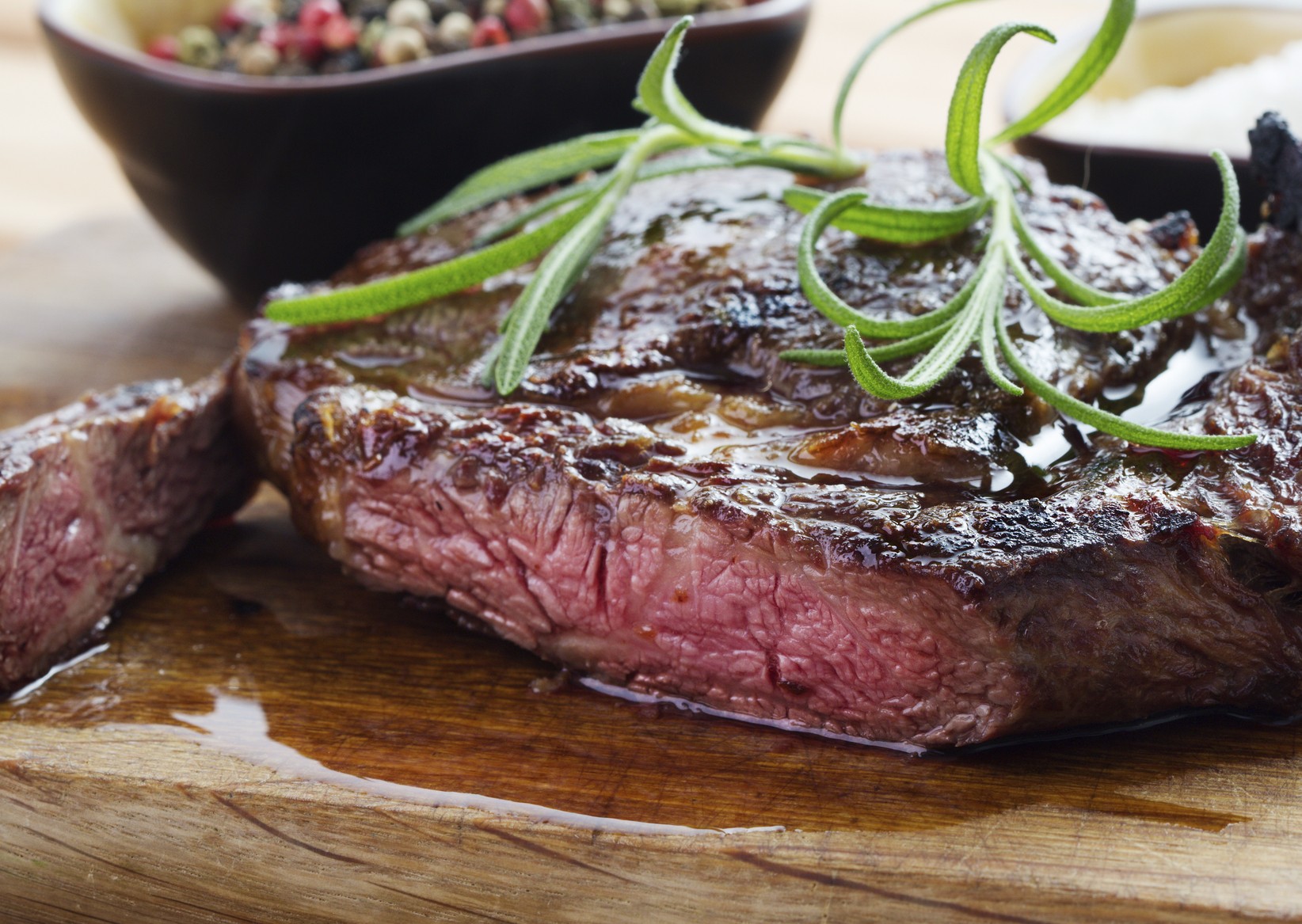
  • Grass-fed meat: Hype or Hope?

    Grass-fed meat: Hype or Hope?

    This is a fact: Cows weren’t meant to eat grain. Seriously.

    It’s just not their natural diet. You can make them eat it, just like you can make lions in the zoo eat Cheerios, but it’s not what they normally eat, and they won’t do well on it.

    And you won’t do well if you eat the meat of grain-fed cows. Here’s why.

    Cattle in the U.S. begin life on a pasture, and usually stay there for 12-18 months. But then about 97% of them get shipped off to feedlots—also known as CAFOs, or confined animal feedlot operations— and that’s where the problems really begin.

    From the point of view of Big Food, feedlot operations are awesome. Grains are superb at fattening cattle. (You might have noticed that they do the same thing for most humans.) So are antibiotics—which feedlot farmed animals are given a ton of; antibiotics fatten the cows right up. And even if they didn’t, those antibiotics are still needed because the cattle get sick from the double whammy of being confined in such close quarters and being forced to eat an unnatural diet of grains. They’re also given hormones (like bovine growth hormone). All this stuff winds up in their meat, and—especially— in their fat.

    So the meat (and milk) that comes from cows that primarily spend their life being fattened up on grain at CAFOs is simply not the same meat or milk that comes from their pasture-fed, grass-grazing brethren. The fat content is different, the nutrients are different, and except for the fact that they both contain the same amount of protein, grain-fed meat is just not the same food as grass-fed meat.

    Organic meat and grass-fed are not the same thing, though a lot of grass-fed meat is also organically raised. Organic meat that’s not grass-fed may indeed be free of some unwanted chemicals, but it is still nutritionally inferior to grass-fed meat, because when a ruminant is taken off pasture and fattened on grain, it loses a number of valuable nutrients.

    Compared with grass-fed meat, grain-fed meat has only one-quarter as much vitamin E, one-eighth as much beta-carotene, and one-third as many omega-3 fatty acids, if indeed it has any omega-3 at all. Feeding large amounts of any type of grain to a grazing animal will have this effect simply because grain itself has fewer of these nutrients than fresh pasture does. And since most of these animals are corn-fed, and since over 90% of corn in the US is genetically modified to contain the Bt toxin, one can only speculate what effect this has on the quality of the meat that comes from these animals, and on the health of the people who consume them. (Monsanto—that wonderful, public-minded company that gave us Agent Orange– assures us that GMO food like their Bt-toxin containing corn is completely harmless to humans. I don’t know about you, but that sure makes me feel a lot better.)

    Grain-fed animals also produce far more of the proinflammatory omega-6s and far less of the anti-inflammatory omega-3s. The balance between these two fats is essential to human health. We get far too many omega-6s and far too few omega-3s. The fat in grass-fed animals is much closer to a healthy balance between these two essential fats. The fat in grain-fed animals is heavily weighted in favor of the pro-inflammatory omega-6 and only contributes to the imbalance in our diet.

    Compared with grass-fed products, organic grain-fed products are also relatively deficient in a cancer-fighting fat called CLA—conjugated linolenic acid. CLA has been widely studied for its anti-cancer and tumor-fighting ability, as well as for its ability to reduce the accumulation of abdominal fat. CLA may be one of the most potent cancer-fighting substances in our diet. Feeding animals a diet with as little as 1% CLA significantly inhibited tumor growth and prevented the spread of breast cancer cells to lungs, peripheral blood, and bone marrow. When you feed a ruminant grain—even as little as two pounds a day—its production of CLA plummets..

    So as far as I’m concerned, grass-fed meat is the only way to go.

    While you can get grass-fed meat at farmers markets and through collectives, it’s not always easy to find. Fortunately, there’s a great online source that I’ve been enjoying for years and that I totally vouch for. It’s called US Wellness Meats. I know the owner, John, and I feel you can totally trust their products.

    US Wellness is the only place I know where you can get grass-fed pemmican, a natural kind of beef jerky-type snack that is kind of the original, ultimate “Power” bar. Based on a tried and true historic Native American recipe, it contains beef jerky, beef tallow, water, cherries, a drop of honey and sea salt. It’s amazing.

    You can try any of the terrific US Wellness Meats products by clicking here.

    I promise, if you try it, you’ll never go back to conventionally raised, toxic meat.
  • Can Whey Protein Help You Lose Weight?

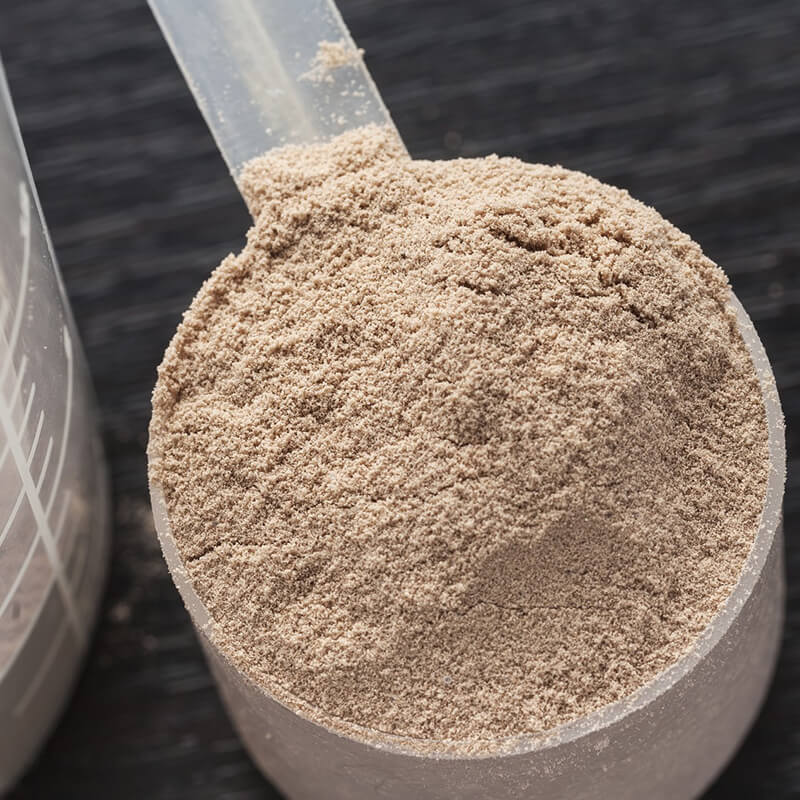
    Can Whey Protein Help You Lose Weight?

    Whey protein may be a great weapon in the fight against type 2 diabetes. And it may also help you lose weight.

    We’ve actually known this for a while– just last year, in the world Journal of Diabetes, researchers published a paper entitled Whey Protein: The “whey” forward for treatment of type 2 diabetes?. But a new study from Tel Aviv University presented at the Endocrine Society meeting on April 1, 2016, confirms it.

    Researchers have long known that high protein breakfasts have metabolic advantages over the typical high carb American breakfast. A number of studies have tested breakfasts of eggs against breakfasts of bagels and found eggs the clear winner in the weight loss sweepstakes. One study found that, when combined with a lower-calorie diet, the “egg breakfast enhances weight loss”; a second study also compared eggs to bagels and found that eggs induced “greater satiety and significantly reduced short-term food intake”.

    In the new study, researchers started with the assumption that high protein breakfasts do indeed have a metabolic advantage, but they wanted to know if the type of protein mattered. So they took 48 overweight or obese diabetics, and divided them into three groups. In the first group, subjects ate a high protein breakfast with whey protein; in the second group, they also ate a high protein breakfast, but this time the protein was eggs or fish; and in the third group, subjects ate a high carb breakfast. Calories were the same across all three conditions.

    Even meal size was kept constant across all conditions. “A high-calorie protein breakfast, medium-sized lunch, and small dinner is a proven successful strategy for weight loss, improved satiety and reduced glucose spikes throughout the day in people with obesity and Type 2 diabetes”, lead study author Daniela Jakubowicz, MD, told Science Daily.


    So what happened with the three breakfast conditions?

    Well, after 12 weeks, the whey protein group lost the most weight (about 16 ½ pounds). Second place was the group that ate the high protein breakfast using non-whey protein sources—they lost an average of 13 ½ pounds. Bringing up the rear was the high carb group, with 6.8 pounds of average weight loss.

    The measurement researchers were most interested in was what’s known as glycolated hemoglobin, or hemoglobin A1C. The A1C test is a kind of long-term measurement of blood sugar, and is usually used to diagnose diabetes. (An A1C level of 5.7 or lower is considered normal; 6.5 or higher gets you a diagnosis of diabetes, while 5.7-6.4 is generally considered “pre-diabetes”.)

    In this study, the whey protein group saw the most significant reduction in their A1C levels over the course of almost two years of follow-up. The whey protein group also had the greatest reduction in blood sugar spikes.

    “The whey protein diet significantly suppresses the hunger hormone ‘ghrelin””, Jakubowicz said. “A whey protein drink is easily prepared and provides the advantages of a high-protein breakfast on weight loss, reduction of hunger, glucose spikes and A1C.”

    I’ve written glowingly about whey protein many times, and even gave it a star in my book, The 150 Healthiest Foods on Earth. Not only does it fill you up and give you all the metabolic advantages shown in the studies, but it is also a great immune system booster. It also stimulates the body to produce more glutathione, arguably the most important antioxidant that the body makes.

    All whey protein is not the same, however. Much like meat and milk and eggs, you want your whey protein to come from grass-fed cows only. The whey protein we selected for our Smart Fat Whey Protein Powder is 100% grass-fed and manufactured for us by Thorne Research, one of the most respected nutraceutical companies in the world. And it tastes delicious! And… it’s 30% off right now in our store.

    Here’s one of my most favorite basic whey protein shakes. I love having this after tennis. I usually play from about 7:30-9 every morning (fueled by a cup or two of high-fat coffee), and grab one of these before heading upstairs to work. Try it, it’s amazing.


    Dr. Jonny’s Special Five-Ingredient Whey Protein Shake

    1 scoop Smart Fat whey protein powder (vanilla)

    1 glass of liquid (I use raw, unpasteurized, full-fat milk which is still, thankfully, legal in the state I live in; you can use any “milk” of your choice—almond milk, coconut milk, rice milk, or even plain water)

    ¼- 1/3 cup frozen cherries

    ¼-1/3 cup frozen spinach (frozen blends better and keeps the spinach from turning stringy and getting into your teeth!)

    ½ an avocado (peeled, of course!)

    (handful of ice cubes for frothiness—optional)

    Blend in a VitaMix (or powerful blender) and enjoy! It’ll definitely keep you at the top of your game till lunch!

  • Why I Hate the New Dietary Guidelines, Part Two

    Why I Hate the New Dietary Guidelines, Part Two

    Last month I told you why I think it’s very hard to take the USDA dietary guidelines very seriously. In fact, I think the whole notion of looking to the government for guidelines on eating is ludicrous. Here’s why:

    The USDA (which publishes the dietary guidelines) has two mandates, and those two mandates are in direct opposition.

    On the one hand, the USDA is charged with providing Americans with good, objective information on health and eating. On the other hand it’s also charged with promoting US agriculture and increasing the demand for its products.

    The government recommendations are suspect simply because there’s a built-in conflict of interest. (Would you trust the tobacco industry to write guidelines on smoking?) The USDA will never tell us to eat less of the very foods they’re supposed to promote—– corn, wheat, soy and sugar, and therein lies the rub. In addition, the guidelines are strongly influenced by the massive lobbying efforts of industries whose bottom line are deeply affected by those guidelines—Big Food, the dairy industry and the meat industry. Even though the “system” is rigged, we can still look at the results and see what they got right, and what they got wrong.

    One of the main things the system continue to get wrong is fat.

    The dietary guidelines—as well as the “conventional” wisdom—warns us against saturated fat, telling us to consume as little as possible while at the same time encouraging us to consume lots of plant based fats like corn oil. Wrong, wrong, and wrong again.

    We now know from at least two major meta-analyses published in serious, peer-reviewed journals like the American Journal of Clinical Nutrition and the Annals of Internal Medicine, that saturated fat does not cause heart disease.

    Let me repeat that, since it goes against everything you and I have been taught for the past fifty years or so.

    Saturated fat does not cause heart disease. It also does not “clog your arteries”.

    While it may raise cholesterol, when you look under the hood you find that it actually raises LDL-a cholesterol (harmless) while lowering LDL-b cholesterol (not harmless). It also raises HDL cholesterol (which is generally a good thing). So the notion that you have to avoid saturated fat to prevent heart attacks is just… well, wrong.

    Equally wrong is the notion that you should consume as much vegetable fat as possible. Vegetable oils are loaded with omega-6 fats, just as fish oil (and flax) are loaded with omega-3’s. You actually need both, but we need them to be in the right proportion (ideally somewhere between 1:1 and 4:1). The omega-6 fats are pro-inflammatory while the omega-3s are anti-inflammatory. When they’re wildly out of proportion, you’re setting yourself up for inflammation, the major promoter of every degenerative disease we know of. Corn oil, soybean oil, canola oil, safflower oil, and all the rest of the high omega-6 oils are found in every processed food in the grocery store. As a result, we now consume 16 times more omega-6 than omega-3. No wonder we’re walking inflammation factories!

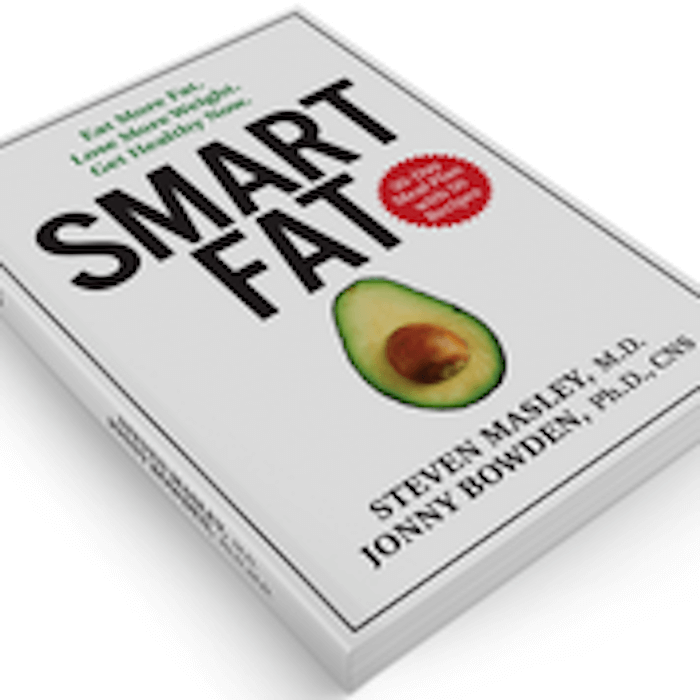
    In our new book, “Smart Fat”, Dr. Steven Masley and I argue that the most important thing to know about fat is whether or not it’s toxic!

    When you raise cattle on huge factory farms, feeding them pesticide-sprayed grain, shooting them up with antibiotics, steroids and hormones, then yes, their fat is indeed toxic. But it’s not toxic because it’s saturated, it’s toxic because it’s been contaminated!

    When cattle are raised on their natural diet of pasture—i.e. “grass-fed” beef—it’s a whole different story. The fat from grass-fed beef is perfectly fine and not toxic at all.

    As long as the guidelines continue to communicate the notion that all animal fats are bad and all “vegetable” fats are good, the guidelines will continue to be woefully out of date. Worse, they will continue to promote over-consumption of the very foods we should be cutting back on (like vegetable oil and processed carbs) while promoting under-consumption of perfectly healthy (or, at the very least, neutral) fats like the fat from grass-fed beef, coconut oil and Malaysian palm oil.

    There’s at least one thing the dietary guidelines got right, though.

    We should eat a lot of vegetables and fruits.

    But we didn’t need the US government to tell us that. We could have just asked our grandmothers.

    By Jonny Bowden, PhD, CNS aka “The Nutrition Myth Buster”™

    Jonny Bowden, PhD, CNS, also known as “The Nutrition Myth Buster” ™ is a nationally known board-certified nutritionist and expert on diet and weight loss. He has appeared on the Dr. Oz Show, Fox News, CNN, MSNBC, ABC, NBC, and CBS and has contributed to articles in The New York Times, Forbes, The Daily Beast, The Huffington Post, Vanity Fair Online, Men’s Heath, Prevention, and dozens of other print and online publications. He is the best-selling author of 15 books, including The Great Cholesterol Myth (co-authored with Stephen Sinatra, MD). His latest, co-authored with Steven Masley, MD, is Smart Fat: Eat More Fat, Lose More Weight, Get Healthy Now! (Harper One, 2016)

  • The Mediterranean Diet vs. The Smart Fat Program

    The Mediterranean Diet vs. The Smart Fat Program

    A lot of people have asked me a really interesting question: How does the Smart Fat Program differ from the Mediterranean Diet? While there are some areas of overlap, such as the emphasis on eating lots of Omega-3s, fruits and vegetables, there are several main differences that can allow one to easily distinguish between the two dietary approaches.


    Pic-10To start, the Mediterranean Diet is a pattern of eating, rather than a strict food protocol. Some dishes may incorporate lots of fish and olive oil, while others are heavy on the grains, whereas some eat strictly fruits, nuts and vegetables. The Smart Fat Program, on the other hand, is very regimented: Five servings of smart fat a day, five servings of clean protein a Day, ten servings of fiber every day. Subscribers to the Mediterranean Diet tend to stay away from meat, regardless of the source. This is another point where the Smart Fat Program veers in its own unique direction.
     

    Major proponents of the Mediterranean Diet typically refer to Animal Fats as unhealthy and Vegetable Oils and Vegetable Fats as healthy. The Smart Fat Program draws the line between good & bad fats based on only one thing: Whether or not the fat is toxic. Fat is toxic if it comes from animals that have been on feedlot farms, or fed antibiotics, steroids, bovine growth hormones, or even raised on a grain diet. The Smart Fat Program does encourage eating plenty of fish, but also meat when it is grass-fed, organic and not teeming with toxins. To be clear, toxic fat has nothing to do with whether or not the fat is saturated and unsaturated.


    The third major distinction is grains, which are fairly prominent in the Mediterranean Diet and extremely limited on the Smart Fat Program. Even Whole Grains raise your blood sugar, can be very inflammatory, and many contain gluten, which can lead to Leaky Gut that can furthermore result in a chain reaction of health problems. While we do have some grains in limited amounts on the Smart Fat Program, it is not a grain-based diet by any means.


    Those are the basic distinctions between the Mediterranean Diet and the Smart Fat Program. There are some similarities between the two, but each has its own unique place. One can think of them as “friendly cousins” that have their like-attributes, but in the end are quite different.


    By Jonny Bowden, PhD, CNS aka “The Nutrition Myth Buster”™

    Jonny Bowden, PhD, CNS, also known as “The Nutrition Myth Buster” ™ is a nationally known board-certified nutritionist and expert on diet and weight loss. He has appeared on the Dr. Oz Show, Fox News, CNN, MSNBC, ABC, NBC, and CBS and has contributed to articles in The New York Times, Forbes, The Daily Beast, The Huffington Post, Vanity Fair Online, Men’s Heath, Prevention, and dozens of other print and online publications. He is the best-selling author of 15 books, including The Great Cholesterol Myth (co-authored with Stephen Sinatra, MD). His latest, co-authored with Steven Masley, MD, is Smart Fat: Eat More Fat, Lose More Weight, Get Healthy Now! (Harper One, 2016)

  • SMART FAT: The Book.

    SMART FAT: The Book.

    If you work at Whole Foods, sooner or later someone is going to ask you about Smart Fat. And I, for one, think that’s a very good sign.

    My book, Smart Fat: Eat More Fat, Lose More Weight, Get Healthy Now (co-authored with Steven Masley, MD) is about to drop (January, Harper Collins), and soon we’ll be seeing a virtual tsunami of books capitalizing on the term. Already, one famous nutritionist is re-publishing an older book that advocated for higher fat diets and has put “Smart Fat” prominently on the cover of the new edition. Another A-list nutritionist we know of is rushing to get his high-fat book out quickly, and there are sure to be more to follow. The concept of Smart Fat has arrived, and I want you to learn what Smart Fat means, right now, right from the horse’s mouth.

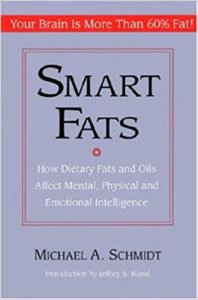
    Full disclosure: Sometime after our book went to press, an old physician friend of mine sent me a link to a long out-of-print book called Smart Fats that had indeed been published years ago, but that neither Dr. Masley nor myself had ever heard of that book when we wrote—and titled—our new book. So for all intents and purposes, we invented the term Smart Fat for modern times, and I’m actually glad that so many distinguished writers and nutritionists are picking up on it because, as you’ll soon see, it’s a very useful term to have.
    See, at one time in the not so distant past, we all believed that fat was bad and that low-fat diets were the key to health. Then, we slowly realized that not all fat was bad. Some fats—for example, fish oil and olive oil—seemed to be really healthy. So, we modified our old-fashioned demonization of fat in general, and came up with the notion of “good fat” (i.e., vegetable oils) and “bad fat” (i.e., trans fat and animal products).

    Well, that was then. This is now.

    You could, I suppose, think of the notion of “smart” fat as a much-needed update to the old, outdated notion of “good fat” and “bad fat.” The new way of looking at fat still recognizes that some fat is “good” and some is “bad,” but those categories are defined very differently.

    It doesn’t matter whether a fat comes from an animal or a vegetable. The only thing that makes a fat “good” or “bad” is whether or not it’s toxic. Toxic fat is bad—regardless of its origins. Some of the worst fats are the ones we’ve been told are terrific for us, and some of the best fats may turn out to be precisely the ones we were wrongly told to stay away from.

    Let me explain.

    In any sentient being—humans, animals—toxins are stored in adipose tissue (i.e., the fat cells). Fat cells are storage central for any toxin that gets into the body and doesn’t get excreted. When you raise cows on a factory farms—also known as CAFOs (Concentrated Animal Feeding Operations)—here’s what happens. The cows are fed massive amounts of antibiotics to fatten them up and to keep them from getting sick due to their poor diet and crowded conditions. They’re fed steroids and hormones (like bovine growth hormone). They eat grain—an unnatural diet for ruminants—and it’s grain that’s been sprayed with every kind of pesticide and chemical you can imagine.

    And guess what? All of that stuff winds up in the fat of the animals. And on your plate. And in your body.

    The fat of those animals is a toxic waste dump. And it has absolutely nothing to do with whether it’s saturated or not—(about half the fat in beef is actually monounsaturated)—and it has nothing to do with whether or not it came from an animal.

    I live in Southern California and we’ve had a couple of E. coli scares, traceable to contaminated spinach. But no one in their right mind thinks spinach is a “dangerous” food—everyone understands that a particular crop was contaminated by outside sources. The contaminated spinach was recalled, end of story, everyone can eat spinach and no one thinks it’s bad for you.

    Yet the situation with toxic fat is exactly like the situation with spinach. Animal products aren’t bad for you because they’re animal products, any more than spinach is bad for you because it’s a vegetable. Animal products, just like vegetables, are only bad for you when the animals are contaminated. Which is exactly what they are when they’re raised on feedlot, factory farms—and this goes for chickens and pigs as well as for beef.

    The fat from grass-fed animals, however, is a whole different story. Grass-fed animals—and pasteured pork, and free-range chickens—are raised on their natural diet. Cows are free to roam on pasture and chew on grass. They don’t eat an unnatural diet of grain. Chickens peck at bugs and worms and insects (good sources of omega-3). They’re not fed antibiotics. They aren’t fed hormones. Their fat is higher in omega-3 and lower in inflammatory omega-6. When I order grass-fed beef from Whole Foods or a farmer’s market, I never ask for the lean kind, because there’s no reason to. There’s nothing toxic in that fat at all.

    Our book divides fat into three categories—Smart, Neutral and Toxic. Toxic fat is fat from animals that have been raised on feedlot farms. Toxic fat is man-made trans fat. Toxic fat is damaged fat—like canola oil that’s been used and re-heated many times at a fast food restaurant. And—although vegetable oil per se is not necessarily toxic, most of it is highly processed and refined, very high in inflammatory omega-6, and, in the quantities we consume it, not very good for us. (Contrary to the old definition, vegetable oil isn’t always good fat, and definitely isn’t “smart” fat!) Saturated fat, on the other hand, is completely neutral when it comes to promoting heart disease. And in some cases—like coconut oil or Malaysian palm oil—saturated fat actually has some benefits.

    When we made the bone-headedly stupid mistake of banishing fat from our diets, we lost one of the best sources of energy on the planet, and replaced it with sugar which is at the heart of every major epidemic that has a nutritional component (diabetes, obesity, Alzheimer’s, heart disease, fatty liver disease). We removed sources of calories with significant health benefits (i.e. fish, olive oil, nuts, avocados, grass-fed beef, free-range chicken, eggs, whole-fat yogurt, coconut oil, Malaysian palm oil) all in the hopes of attaining some elusive health and weight benefits believed to accrue to a low-fat diet.

    It hasn’t worked out very well.

    My hope is that our book is a harbinger of a whole new way of thinking about fat. Fat is our friend. It helps balance our hormones. It keeps our brain healthy. It provides amazing energy. It keeps us full. It’s vital for absorbing critical vitamins  (A, D, E and K) and other nutrients (carotenoids).

    The old way of thinking—“good” fat= vegetable oil, “bad” fat= animal products—is woefully out of date. It’s about time we started looking at fat as something which- -when used the right way—has the potential to transform our health for the better.

    Combined with the right amount of flavor, plenty of fiber, and liberal use of anti-inflammatory and antioxidant spices, the Smart Fat eating plan is one that has the power to change your life.

    Posted on WholeFoods Magazine Online,

    By Jonny Bowden, PhD, CNS aka “The Nutrition Myth Buster”™

  • Is a Vegan Diet Healthy For You?

    Is a Vegan Diet Healthy For You?

    By Jonny Bowden, PhD, CNS aka “The Nutrition Myth Buster”™

    Sharecare.com, Dr. Oz’s “home for your health”, is a platform where experts will answer user-generated questions concerning one’s well-being. Explore the site and you’ll get an opportunity to see what people are really thinking, what’s confusing them, as well as what they want more information about. One question I’ve answered on multiple occasions was this: “How’s a vegan diet healthy for me?”

    Vegan diets are not innately healthier; it’s possible to be a vegan and still eat processed foods. When I was going to Equinox in the 90s, we used to call these kids “Twinkie Vegetarians.” They wouldn’t eat anything that had ever been alive, but instead were eating spaghetti and Coco Crunches. It’s possible to be a vegan or a vegetarian and still eat a horrible diet. However, the spirit of the vegan diet is something I do agree with.

    Fresh fruits and vegetables offer an array of compounds; an encyclopedia of flavonoids, polyphenols, catechins, vitamins, and minerals. These things act as powerful antioxidants and anti-inflammatories in the body. The fiber in these foods helps control blood-sugar and may protect against cancer. The problem is that humans do better with some animal products in their diet.

    The vegan diet does not provide one with a sufficient amount of B12, zinc, or heme iron. There are very few vegetarian sources of EPA and DHA omega-3 fatty acids, which for the most part, can only be found in animal foods and fish.

    What makes a meat-eating diet unhealthy has nothing to do with eating foods that come from animals. However, most of the meat that’s on the market today comes from animals that are sick. Factory feedlot cattle, which are raised in confinement, are fed unhealthy grains, shot full of steroids, growth-hormones, and antibiotics. If this were the only meat available, I would become a vegan. Grass-fed beef is a whole different story.

    ID-100299209

    Animals raised on pasture, eating their natural diet of grass, are rarely injected with antibiotics or hormones and pose no threat to one’s health. While some people clearly seem to thrive on a leafy diet, there have been many anecdotal stories regarding the longterm health problems with the vegan orthodoxy.

    Loss of energy, brittle hair, and nutrient-insufficiency are three I’ve seen frequently reported. My personal opinion is that one’s diet should be loaded with plant-based foods. However, some healthy sources of animal protein, such as grass-fed beef, free-range poultry, and wild salmon will do a body good. Remember, everyone’s different and no diet philosophy is going to be equally valid for everybody.

    By Jonny Bowden, PhD, CNS aka “The Nutrition Myth Buster”™


  • Weight Loss Tips That Work.

    By Jonny Bowden, PhD, CNS aka “The Nutrition Myth Buster”™

    This is Dr. Jonny, and I want to talk to you about weight loss tips that can work with any diet.

    For the vast majority of people, eating less food is a good idea; one way is to eat half of what you order at a restaurant; another is to try intermittent fasting- letting a significant amount of time pass between meals.

    Try having a salad before a meal. Eat more soup! Its low calorie, high volume & high in nutrients.

    As Adele Davis said, “Eat breakfast like a king, lunch like a prince, and dinner like a pauper.”

    Proactive planning works too- writing down what you’re going to eat before the fact.


    Watch this short video for more tips that can be used with any eating plan.


    I’d love to hear from you – tell me if these tips were helpful!


    By Jonny Bowden, PhD, CNS aka “The Nutrition Myth Buster”™


  • Ketogenic Diets

    By Jonny Bowden, PhD, CNS aka “The Nutrition Myth Buster”™

    A lot of people think of ketogenic diets as high protein diets, but they’re actually not, they’re high fat diets. Why would anybody go on a high fat diet? When you reduce carbs to this low an amount, your body is forced to burn fat for fuel. There’s very little glucose in your blood stream, and the body has to go to an alternative fuel source.
    macadamia nuts

    So many good things happen when you burn fat as opposed to sugar. You have more energy, fewer cravings, you don’t have the blood sugar roller coaster, and you almost always lose weight, sometimes pretty rapidly. Burning fat when you don’t have any carbs in your system creates this alternative fuel source called ketones. The ketogenic diet generates a state called ketosis and you lose weight because your body is producing these ketones from fat from your diet, sure, but also from your hips, butt and thighs. That’s the ATM machine for fat! You’re going to use that for fuel, and you’re going to lose body fat.

    For many years, people thought ketogenic diets were really hard to stay on, and that they were probably unhealthy because of all that fat. Think again. We’ve known for a long time that ketogenic diets are used as a treatment for childhood epilepsy; they use ketogenic diets right now at Johns Hopkins. In epilepsy, we learned at this conference, the brain is basically starving for sugar. It needs energy, and the brain cells are basically saying, “Feed me”. They’re going nuts and they start to spasm and that’s a very non-technical way to explain epilepsy. When your body’s producing ketones, the brain loves them; it will run all day on ketones. So will the heart. So will the muscles.

    As we learned at the conference, ketogenic diets are also being investigated for cancer. Remember, cancer cells feed on sugar, that’s their only fuel. Ketogenic diets are also being investigated for MS. There’s this wonderful doctor named Terry Wahl’s who had MS, and it was so serious that she was in a reclining wheelchair. She gives these TED lectures now. She’s created this protocol all about ketogenic diets; look up the Wahl’s protocol. Ketogenic diets are also being investigated for cognitive and neural impairment among other things.

    What was really interesting at this conference was how many top athletes are using ketogenic diets. They’re running on fat! When Natural Health Sherpa sent me and Dr. Raffelock down to the conference, we came back very jazzed because we’re going to be starting work soon on a whole new exciting project harnessing the power of the ketogenic diet. For now, you can read a lot about ketogenic diets online, a great place you might want to start is the blog of Dr. Peter Attia called The Eating Academy.

    We’re beginning to see the whole establishment that’s been built around “low-fat” crumbling and finding out that the guidelines for fat consumption were never based on science in the first place. New studies are questioning the cholesterol hypothesis and absolving saturated fat of any role in heart disease. I think you’re going to see a big shift in attitudes about fat in general and about high-fat diets especially among people like the folks on Metabolic Mastery who stay ahead of the curve. Read about this, follow all the health news and listen to us. I’m writing a book about high-fat diets right now with the esteemed Dr. Steven Masley out in January, and we’re going to be doing a version of a high fat diet in our next program for Natural Health Sherpa. On a ketogenic diet you can lose body fat, increase energy, and if the emerging work pans out, you may also reduce the risk of certain diseases, and maybe even improve your athletic performance!

    By Jonny Bowden, PhD, CNS aka “The Nutrition Myth Buster”™

  • The Bathroom Scale

    The Bathroom Scale

    2-420x420

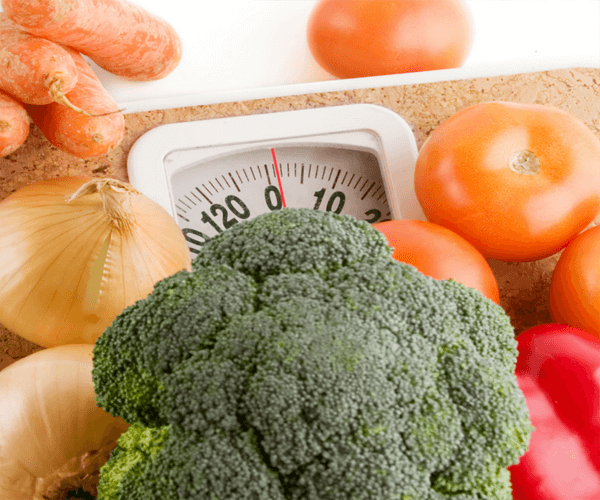
    There’s something in your bathroom right now that can be your best friend when it comes to getting your weight where you want it. No, it’s not a diet drug, it’s the bathroom scale and I’ll tell you how to properly use it. Where I live there’s a street where a lot of people get speeding tickets; it’s a residential area and the limit’s like 30 miles an hour. It’s really hard to gauge, so the cops grab people all day long. Recently they installed this electronic device that tells you how fast you’re going, so you start coming down Canoga Avenue and it’s at 38, 35, it’s like a reality check. You think you’re doing one thing, but you’re actually doing another, and when you get that feedback you can make a course correction. That brings me to the scale. The scale is really like that electronic speed meter on my street, it’s a reality check.

    A lot of people don’t want to use the scale, and here are the usual reasons; number one is tyranny, there are a lot of people who have had eating disorders for example and they just fear using the scale because it drives them crazy. They give it all this power, if the pounds go up they just freak out, so they just stay off the scale and they say, “I can tell how I’m doing by how my clothes fit.” I’m sorry to disillusion you, you really can’t. Whether you washed your clothes last night affects that and how much salt you ate the night before affects that. The second reason people give about not using the scale is that it doesn’t tell you anything about body composition and that is true. You want to know how much body fat you are losing, how much muscle you are gaining. There are other ways to measure it but that doesn’t mean that the scale provides no good information, it gives you important feedback about one dimension of your weight loss efforts. The trick is to use it in a healthy, productive way and not to give it too much power. The thing is not to let it tyrannize you or define you, or to think that it’s the ultimate arbiter of your health or your well-being or how sexy you are or how good you look or any of those things.

    I weigh myself every single day and I recommend you do the same thing. The trick to doing it properly is to do four things.

    1. Always use the same scale; it doesn’t matter if it’s 100% accurate, it just matters that it’s accurate from day to day.
    2. Always weigh yourself in the morning.
    3. Always weigh yourself naked
    4. Weigh yourself before you eat. That’s how you get a consistent measurement from day to day.

    I personally use what I call the four pound rule. If I get more than four pounds away from my goal, I go back to a different eating plan, like New You 22, or stage one of Atkins Diet to get my metabolism back on track. You never want to be that guy who has a high school reunion and all of a sudden he realizes, “Gee, I gained 25 pounds since I last put on this tux and I never noticed.” You want to be the guy that notices, so use the scale. Make it your friend, not your enemy; it can be a good tool to use to get your weight where you want it to be and to keep it there.


  • Does Micronutrient Deficiency Cause Obesity?

    Does Micronutrient Deficiency Cause Obesity?

    If you are reading this right now, then the first thing you need to know about us is that we believe that 13micronutrient deficiency is the most widespread and dangerous health condition of the 21st century. This is because medical and nutritional science has shown that nearly 100% of the American and UK populations are micronutrient deficient to some degree, and that deficiencies in your essential micronutrients (i.e. vitamins, minerals, EFAs and amino acids) are at the root of nearly every health condition and disease plaguing the world today, including obesity. This is why we wrote Naked Calories and Rich Food, Poor Food, to alert you to this silent pandemic and show you how to create a state of micronutrient sufficiency through Rich Food, lifestyle changes and smart supplementation so that you can achieve optimal health. And why we are so excited about our new book The Micronutrient Miracle 28 Day Plan, showing you how to implement our three steps to micronutrient sufficiency with daily menu plans and delicious Rich Food recipes.

    However, while we are the “micronutrient couple” and always tend to examine each health related problem from that perspective, the majority of medical and nutritional literature on obesity often focuses on factors other than micronutrients. So you can imagine how happy we were when we read a brand new 2015 study published in the Journal of the American College of Nutrition that was looking at the connection between obesity and micronutrient deficiency. At the conclusion of the study the researchers stated, “We conclude that obese adults compared to normal weight adults have lower micronutrient intake and higher prevalence of micronutrient inadequacy.” And went on to say, “It has been hypothesized that the micronutrient deficiencies may be contributing to obesity and fat deposition and could lead to further weight gain or development of associated metabolic diseases.

    When you pair this study’s findings with the many other studies on the connection between overweight/obesity and micronutrient deficiency including the 2007 study published in the journal Economics and Human Biology, where researchers revealed that micronutrient deficient women had an 80.8% higher chance of being overweight or obese than non-deficient women, you can start to see how important micronutrient sufficiency may really be in our fight against obesity.

    The fact is obesity affects many of us as well as our loved ones. What we can learn from those suffering from this condition may help us all better understand what truly lies at the root of this global pandemic. Our goal is rethink obesity altogether and to join the growing number of nutritional theorists and scientists who are thinking outside the box and connecting the dots between micronutrient deficiency and obesity in completely new ways. One of those people is Bruce N. Ames, Ph.D. Senior Scientist at the Children’s Hospital Oakland Research Institute Nutrition and Metabolism Center and Professor of the Graduate School, University of California–Berkeley, who in the quote below eloquently describes the biological strategy for micronutrient deficiency causing overeating and ultimately obesity.

    “We hypothesize that a micronutrient deficiency counteracts the normal feeling of satiety [feeling full] after sufficient calories are eaten. This may be a biological strategy for obtaining missing nutrients, which is important in fertility. Thus part of the reason for the obesity epidemic may be that energy-dense, micronutrient-poor diets leave the consumer deficient in key micronutrients, e.g., calcium, and constantly hungry.”

    The biggest problem with our current method of dealing with obesity is that most people don’t know that there are two types of hunger your body can experience?

    Most of us are familiar with the first type of hunger, which occurs when you have not eaten enough food or have not eaten for a long period of time. Your body usually lets you know that you are experiencing this form of obvious hunger with stomach grumbling and hunger pangs.

    The second type of hunger, which is the type Dr. Ames was referring to, is not so obvious; it is known as “hidden hunger,” and it occurs when you have not ingested enough essential micronutrients to meet your body’s minimum requirements. In the past, eating more food would alleviate both forms of hunger. That’s because the food of our ancestors delivered both caloric value and abundant micronutrient value. However, in modern times, simply eating more food will not necessarily reverse hidden hunger because many of today’s foods have become increasingly devoid of their essential vitamins and minerals.

    In the end it all comes down to…micronutrients. Are you deficient in your essential micronutrients? Are you unknowingly opening the door to obesity or other unwanted health conditions or diseases in your life? We want to leave you with one last quote, but this time from us. We wrote it several years ago now (2010), but we feel that its insight into overweight/obesity is as valid today as it was then.

    “If these contemporary theoretical perspectives were to be combined with current scientific research concerning the link between micronutrient deficiency and obesity, being overweight or obese would be viewed in an entirely different light. Instead of being wrongfully perceived as lazy, undisciplined overeaters, overweight and obese people would be seen for what they most likely are—individuals who are simply biochemically more in tune with their body’s need for their required essential micronutrients and are trying to achieve micronutrient sufficiency the only way that their bodies know how—by eating more food.”

    Last but not least, don’t be discouraged if you are battling with obesity, take some time and think about the micronutrient deficiency connection. Perhaps the 3-step plan to micronutrient sufficiency that we outline in our new book The Micronutrient Miracle is just what you have been searching for!


    Guest blog by Jayson Calton, PhD and Mira Calton, CN