Tag: nutrition

  • Get Your Eating Back on Track

    If you were given the instructions to “stock up on food for an emergency”, what’s the first thing you’d think of?

    Chances are the first few things on your list – and probably everyone else’s lists as well — come in boxes. Indeed, for some of us, almost everything on our list might come in boxes.

    And that’s precisely the problem.

    I was recently invited to appear on Portland TV’s Afternoon Live (click pic above to view), a show I frequently appear on in person, but because of the pandemic am now doing “Live from my kitchen!” Host Tra’Renee Chambers asked me for tips on how viewers can get their eating back on track. Since I was limited to just three tips, I didn’t want to give specific food recommendations—rather, I wanted to focus on how to make better decisions in general—specifically about foods, supplements, fat, weight-loss diets, or just about anything related to health and nutrition.

    In nutrition—and in life—it’s always good to follow Ronald Reagen’s excellent advice: Trust, but verify. There are a lot of things being “sold” out there that promise us better health, longer hair, more energy, a slimmer waist, and a longer life. Some are great, some are.. well, not-so-great. (I’m being polite.)

    Here are three good rules for fine-tuning your channeling your inner “Nutrition Myth-Buster”.

    • First: Understand that even “trusted” sites may have a mix of good and bad information. Much of the dietary guideline information posted by these major health associations is a mix of outdated information that has since been disproven and advice that is absolutely correct. For example, the advice to stay away from saturated fat and cholesterol is woefully out-of-date, as Dr. Sinatra and I show (with abundant research citations) in our new book, “The Great Cholesterol Myth”. There have been at least a dozen studies in the last decade that have concluded that saturated fat is not a causal factor in heart disease, and we’ve actually known since the 80’s that cholesterol in the diet – for example, from eggs– means nothing. But some conventional advice is right on target, such as the advice to eat a lot of high-fiber nuts, berries, vegetables, and low-sugar fruits.
    • Second: Check your sources. If you’re reading about a study, follow the link to the study itself, don’t just take the reporter’s word for it. (And if there’s no link to the actual “study”, ask yourself, why not?) And when you find the study—if it indeed exists– Ask yourself these questions: Who did the study? Was it done at a major university? Were any of the researchers compensated by companies that might stand to gain from the research? (This usually has to be mentioned in the “disclosures” section.)

    In other words, was the study done by someone who is selling the very product they are recommending? That’s not necessarily a bad thing—a company selling green tea may fund a study that looks for health benefits–  but you may want to look for confirming studies conducted by third-parties. And remember that research shows that when a company or industry is funding a study, they are five times more likely than chance to get the positive results they hope to get.

    • Third: Don’t get fixated on one ingredient or product, thinking it’s going to cause or solve all your health problems. I’ll use saturated fat again as an example. I frequently talk about how important it is to get an ‘oil change’–  change your cooking oils from pro-inflammatory soybean, canola, safflower, and sunflower and change over to the healthier, non-inflammatory ones like olive oil, butter, ghee, or plant-based Malaysian palm oil. (And if you’re thinking about all the internet chatter about how “bad” palm oil is for the environment, consider that Malaysia is one of the most environmentally conscious countries in the world, they do not harm animal habitats, they protect 50% of their forests, and their palm oil is very sustainable).

    Moral of the story: Don’t believe everything you read on the internet.

    That doesn’t mean everything you read is false or exaggerated or misrepresented.

    But it does mean we need to be better consumers of information.

    Jonny Bowden, PhD, CNS

  • So who IS “The Biggest Loser”?

    So who IS “The Biggest Loser”?

    As I watched the first ever episode of “The Biggest Loser” back in 2004, I remember one question popping immediately into my head:

    Who’s going to turn out to be the real biggest loser here … the contestants?  Or the audience?

    Well, it’s 12 years later and the answer is clear:  It’s both.

    Let me explain.

    Weight loss as a spectator sport is a bad idea. It sets up expectations that are wholly divorced from reality. (“Man I only lost three pounds in two weeks and this dude on TV lost 17 pounds in one week!”) Not only is this “result” neither possible nor desirable in any realistic scenario, but it’s positively unhealthy and—as we shall soon see—utterly counterproductive.

    Weight loss as entertainment relies on techniques—the boot camp exercise, the hours of running, the starvation diets– that are abominably, horrifically, fundamentally stupid,  backed by not a shred of science, and are completely unsustainable. Yet watching people do this shit is entertaining enough to make you forget how dangerous it is. (Kind of like Donald Trump—but I digress.)

    So now, away from the teary, staged-for-television finales, and the “inspiring” stories of the winners, we have some actual numbers, some real science. Researchers followed “Biggest Loser” contestants for six years after their win , and for the first time, we have actual data on what happens to folks after losing a ton of weight through intensive dieting and exercise.

    It’s not a pretty picture.

    Thirteen of the fourteen contestants studied regained weight during the six years after the show. Four of them are heavier now than before they went on “The Biggest Loser”.

    But that’s not the bad part.

    The bad part is that nearly all of them have measurably slower metabolisms than they did six years earlier. That means they burn fewer calories than would be predicted for a person of their weight (more on that in a moment).

    Only one of the contestants—Erinn Egbert—weighs less today than six years ago. And she requires 552 fewer calories a day to maintain that weight than she would have required if she had never gained and lost all that weight in the first place.

    In other words, her metabolism slowed down.

    Yes, that dreaded “slow metabolism” that people constantly complain about to personal trainers (often incorrectly) is a real, measurable phenomenon. It’s something that people in the weight loss field have been observing clinically for a long time, but that the “Biggest Loser” study demonstrates for the first time with hard data:  A large amount of weight loss—especially when it’s done quickly– slows the metabolism. Folks require fewer calories to maintain their new, post TV-show, weight than someone who was that weight to begin with.

    Sorry. Don’t kill the messenger.

    Let’s use round, even numbers that in no way are accurate, but will make the point clearly. Let’s say you’re a healthy, never-overweight 150 pound person and you need 2000 calories to maintain that weight on a daily basis. At 2000 you won’t lose, you won’t gain, everything is hunky-dory.

    Now, over the years, you somehow balloon up to 325 and you go on the Biggest Loser and, miracle of miracles, you get your weight back down to your ideal, college weight of 150.

    So, you logically figure, you can go back to eating “normally”, which, for you, means that 2000 calorie a day diet that kept you where you wanted to be.

    Not so fast. To maintain that 150, you no longer need 2000 calories a day.

    You now need only 1500.

    And if you eat the 2000 that kept you perfectly healthy and fit pre-obesity, you will get fat again, even though you’re only eating what you used to eat before you became obese.

    For a real-life example, take Pastor Sean Algaier. His starting weight on  season 8 of the Biggest Loser was 444, and he dropped 155 pounds on the show. Now, six years later, he’s up to 450, 6 pounds higher than when he started. More importantly, he now needs a staggering 458 calories less to maintain that weight than he did before he went on the show.

    And yes, that’s supremely unfair. But there it is.

    A symphony of hormones—leptin, ghrelin, insulin, cortisol, adiponectin, and others—work fervently to get your body back to the weight it “thinks” you should be. That hormonal army is a powerful adversary—willpower doesn’t have a chance, at least not in the long run.

    Not only that, but new research on the microbiome shows clearly that the non-human microbes in your gut (which outnumber human cells by 3-10x) have a profound and dramatic effect on what happens to the calories you ingest.

    You know how there are folks who can eat anything and never gain an ounce, but you just look at Cherry Garcia and your hips grow an inch? The microbiome may be partly to blame.

    One class of microbes called firmicutes will stash practically every molecule of food you eat into the fat cells; another class of microbes called bacteroidetes has the opposite effect, burning up those calories almost as fast as you can ingest them.

    And we’re only now beginning to realize the effect of pesticides, environmental toxins, hormones, endocrine disrupters and… don’t get me started… GMO foods, on obesity.

    So the real victims in this story are the contestants—who lost a bunch of weight but gained it back with a slower metabolism to boot—and the audience—who learned a bunch of really stupid lessons about weight loss.

    Weight loss—despite what every health organization from the terrible American Dietetic Association to the American Medical Association tells us—is not– repeat NOT– just about exercise and diet. Obese people aren’t unmotivated, slovenly, gluttony people with no discipline. They suffer from a hugely complex metabolic dysregulation. Continuing to pretend that weight loss is as simple as cutting calories and going for a walk is the public health policy equivalent of medical malpractice.

    So does this mean we should all just throw up our hands and give up on weight loss? Hell, no.

    But an enemy better understood is an enemy more likely to be defeated. If obesity is our enemy, we better stop telling ourselves a bunch of lies about how easy weight loss is.

    And…

    … it wouldn’t hurt if we also thought a bit about why we want to lose weight in the first place.

    Most of us want to lose weight so we can be more:
    happy
    attractive
    healthy
    energetic
    sexy

    But if I’ve learned one thing in 25 years of doing this, it’s that we don’t really have to have the perfect body to have every one of the things on that list.

    See, I don’t believe everyone on earth can be thin.

    And most important, I don’t think it matters.

    Gorgeous, sexy, inspiring, energetic people come in every conceivable size. And while I don’t believe a six-pack is within reach of everyone, I do believe that everyone— at any weight— can be a better, more energetic, more sexy version of who they are now.

    And that while we’re figuring out this obesity thing—and believe me, we’re not even close to fully understanding it—it might be a good idea to work on having the things RIGHT NOW that you think you can only have “someday, once I’ve lost the weight”.

    Because there are a lot of benefits in cutting carbs, eating healthy fat, and exercising intelligently—and most of those benefits have very little to do with your waistline.

    And maybe if we stopped making it be “all about the weight”, and instead started looking at metrics like energy, sexuality, sleep, performance, attitude, optimism and well-being, we’d be a whole lot better off.

    No matter what size we happen to be.

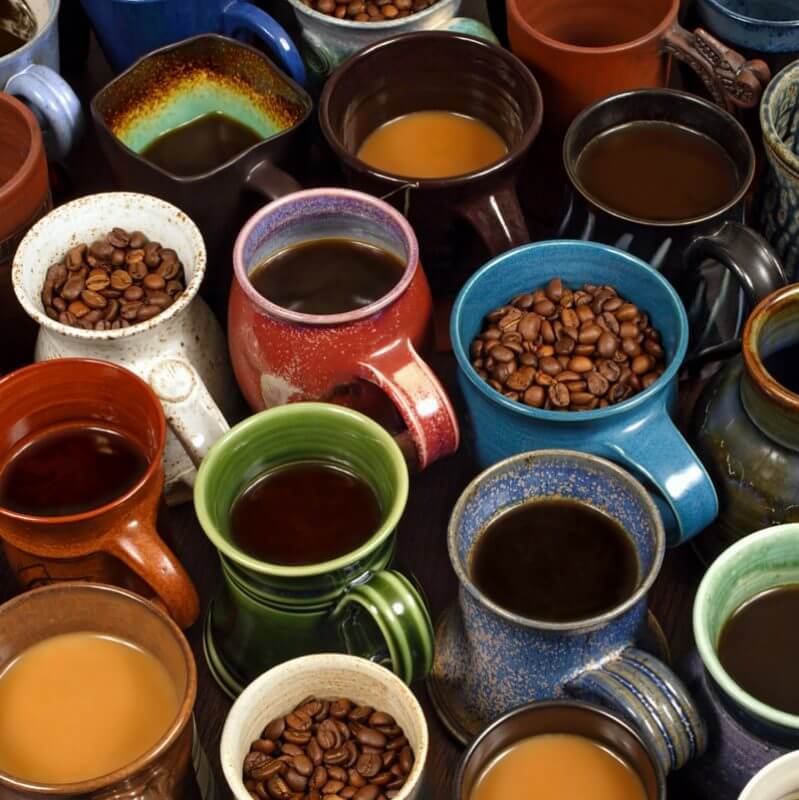
  • Coffee — Health Benefits or Hype?

    Coffee — Health Benefits or Hype?

    First they said coffee protects against cancer. Read what happened next

    While working on the “coffee” entry for the 10th anniversary edition of my book, The Healthiest Foods On Earth, I had an interesting discussion with a colleague about the nature of coffee research.

    There’s been a ton of coffee research, and almost all of it has been very positive. Coffee drinkers have less risk of a baker’s dozen of conditions that aren’t exactly on your Christmas wish list—Alzheimer’s, gout, diabetes, pancreatic cancer. Compared to a matched group of non-coffee drinkers, coffee drinkers have a distinct advantage in the health risks sweepstakes.

    Even the World Health Organization has gotten on the coffee bandwagon.

    In 1991, it had warned that coffee might be a carcinogen. But in a rare reversal of position, it recently announced (June, 2016) that regular consumption of coffee could actually protect against at least two types of cancer.(1)

    Now understand something. I love—repeat love—coffee and drink a lot of it, so I’m always happy to hear about another study confirming coffee’s benefits.

    But I may have fallen into a trap, and it’s a trap that many people fall into when reading research, especially research which confirms what they already believe. I’ve pointed out this trap many times, which I thought would protect me from falling into it.

    I was wrong.

    At this point, I need to credit my esteemed colleague Dr. Dean Raffelock, who first pointed out the flaw in these studies. Follow the argument below, and you’ll soon see what that flaw is.

    You see, we now know that there’s a genetic component to how people metabolize coffee. There are slow metabolizers and fast metabolizers, and which group you fall into has a lot to do with how coffee affects you. Slow metabolizers are likely to be kept awake by the caffeine, to have their blood pressure go up (and stay up) and to get the jitters (essentially high levels of cortisol at work). Fast metabolizers have none of these problems and enjoy coffee immensely.

    The positive studies on coffee were almost all epidemiological, not clinical. What that means is that scientists look at large groups of people and watch what they do and take measurements. (A clinical study, on the other hand, is an actual experiment where you manipulate variables—like what drug is given, or how much sleep is allowed,. An observational study—which is what most of the coffee studies are—simply tries to find an essentially homogenous group of people (i.e. similar medical history, weight, age, etc) and compares those of them that drink coffee with those of them that don’t.

    What a study like this does not do is find a homogenous group of people, break them up into two groups, and tell one of them to drink five cups a day and the other to abstain.

    Do you see the difference?

    The coffee studies essentially ask people to identify themselves as either someone who drinks coffee or someone who doesn’t. The study then follows the subjects for as many years as possible and at the end of the follow-up, compares the two groups on a whole bunch of medical metrics. The coffee drinkers generally have a better outcome.

    But what Dr. Raffelock wisely pointed out is that on one crucial dimension, the two groups– those who drink coffee and those who don’t–are not the same.

    “The coffee drinkers who would generally volunteer for a study on coffee drinking would be a biased (self-selected) population because they already possess a metabolism better able to process coffee in healthier ways and would naturally have less tendency toward developing cancer or other diseases from it” he wrote to me in an email.

    “Most likely they have liver enzymes better at processing coffee just like some people have livers that process alcohol or other chemicals better than other people. So the coffee drinkers in this study could be a population that is already biased toward suggesting favorable results because they are already know they tolerate coffee well.”

    This is the kind of analysis most of us forget to do when looking at epidemiological research. We’d all be wise to remember the mantra of observational studies—correlation is not causation.

    In the case of coffee, it’s clearly true that coffee drinkers have a health advantage. But it’s ALSO true that those health advantages only accrue to people who do well with coffee.

    Moral of the story: If you hate coffee because it makes you feel like shit, don’t start drinking it for the health benefits.

    Metabolically, you’re unlikely to get the same results as people who tolerate coffee just fine.

  • Grilling Your Way to Cancer? You don’t have to.

    Grilling Your Way to Cancer? You don’t have to.

    [vc_row][vc_column][vc_column_text]

    Everyone says grilling meat causes cancer. Read what to do about it.

    By Jonny Bowden

    Barbeque season has arrived, which brings me to my annual message on healthy grilling.

    There is a smart way to grill, and a dumb way to grill. The first helps protect your health, the other does exactly the opposite.

    I recently had the opportunity to discuss healthy grilling when I appeared on Sacramento’s KCRA News and KXTVNews. During both interviews, I suggested that the single most important thing viewers could to protect themselves against cancerous compounds formed while grilling was to make a marinade:  of herbs, spices and Malaysian palm oil.

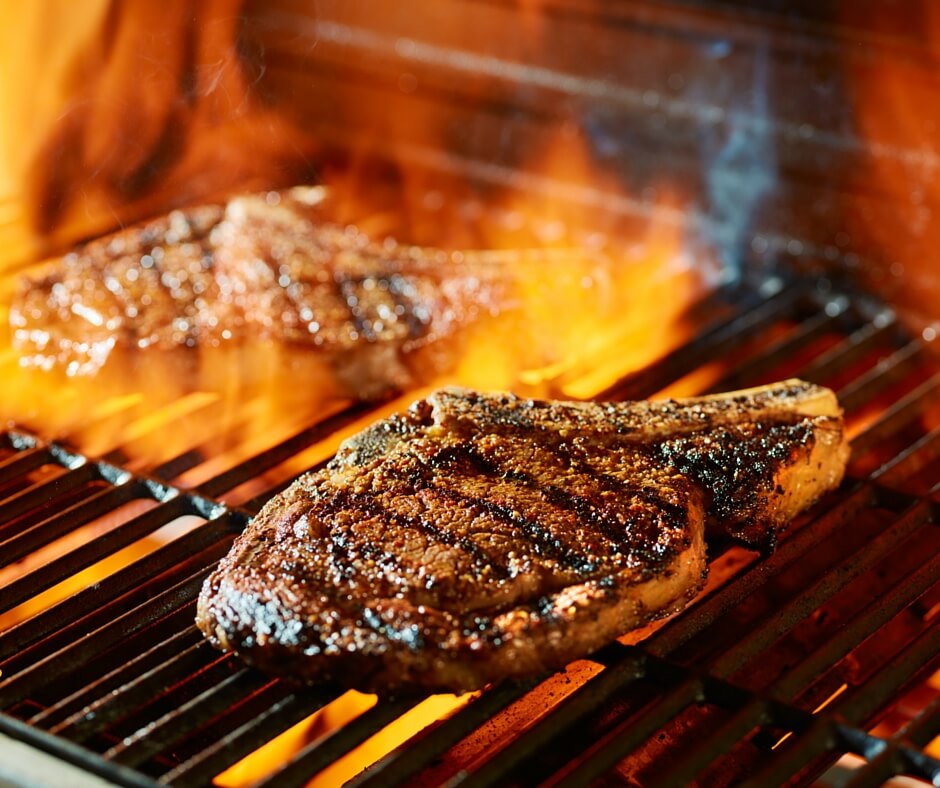
    The first commandment of grilling: Don’t leave food on the grill until it blackens. Those big flames licking your hamburgers may make the burger look mouth-watering, but what those flames are doing to the burger from a health standpoint is a disaster.

    See, the single biggest danger with grilling is high heat. Those big, attention-getting flames interact with the meat to form compounds called heterocyclic amines, which are carcinogenic.

    There are safer ways to prepare your meal.

    Making a marinade from oils and spices is a great grilling strategy. There’s solid research showing the protective effects of a good marinade as it really cuts down on all the compounds that you don’t want from your barbecue.

    As with everything, details matter, and in this case the details are in the choice of oil and choice of herbs and spices. Some oils work better than others for the marinade. Our diet is way too high in pro-inflammatory omega-6s, which are exactly what we’re consuming when we use vegetable oil. You are much better off switching to some better oils, like Malaysian palm oil. This red oil is filled with carotenoids and tocotrienols and I also like using it because of its sustainability. Malaysia protects 50 percent of their forests, which means there, no orangutan habitats are harmed in the making of palm oil.

    Adding herbs and spices with antioxidants and anti-inflammatory qualities to a better quality cooking oil can spruce up the marinade too. If you look on any nutrition data site, you’ll see that pound for pound, herbs and spices are more nutritionally rich than practically any other class of food. You can’t go wrong with any of them, but I particularly like using turmeric, oregano… or both.

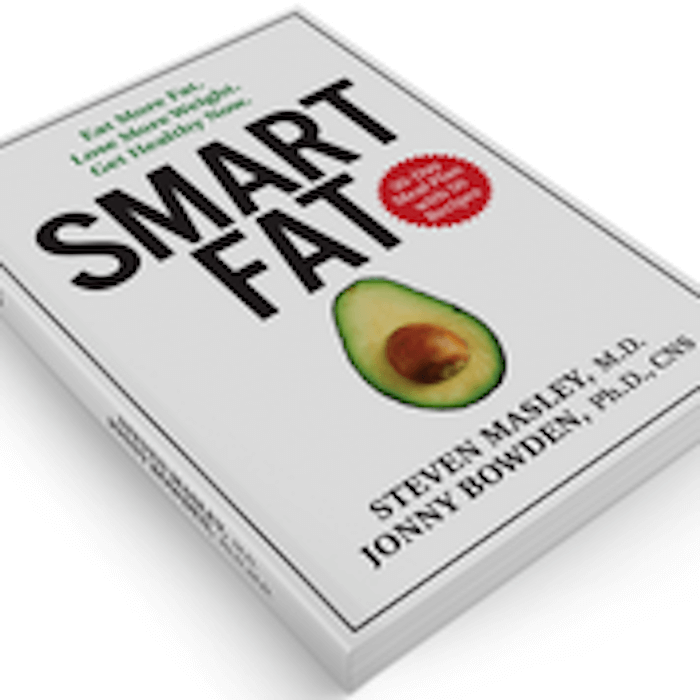
    As Dr. Masley and I wrote in our recent book, Smart Fat, spices are like a medicine cabinet, stocked with terrific, health-giving, natural remedies that we don’t use nearly as much as we should. Use them! Cover whatever you’re grilling with Malaysian palm oil and then just go to town with any or all of the herbs and spices you’ve got on hand. Keep the heat a little bit lower than normal—eat meat, fish and chicken just a tiny bit rarer, and you’ll be doing yourself—and everyone at your BBQ—a tremendous service!

    [/vc_column_text][/vc_column][/vc_row][vc_row][vc_column][vc_column_text]

  • Why I Hate the New Dietary Guidelines, Part Two

    Why I Hate the New Dietary Guidelines, Part Two

    Last month I told you why I think it’s very hard to take the USDA dietary guidelines very seriously. In fact, I think the whole notion of looking to the government for guidelines on eating is ludicrous. Here’s why:

    The USDA (which publishes the dietary guidelines) has two mandates, and those two mandates are in direct opposition.

    On the one hand, the USDA is charged with providing Americans with good, objective information on health and eating. On the other hand it’s also charged with promoting US agriculture and increasing the demand for its products.

    The government recommendations are suspect simply because there’s a built-in conflict of interest. (Would you trust the tobacco industry to write guidelines on smoking?) The USDA will never tell us to eat less of the very foods they’re supposed to promote—– corn, wheat, soy and sugar, and therein lies the rub. In addition, the guidelines are strongly influenced by the massive lobbying efforts of industries whose bottom line are deeply affected by those guidelines—Big Food, the dairy industry and the meat industry. Even though the “system” is rigged, we can still look at the results and see what they got right, and what they got wrong.

    One of the main things the system continue to get wrong is fat.

    The dietary guidelines—as well as the “conventional” wisdom—warns us against saturated fat, telling us to consume as little as possible while at the same time encouraging us to consume lots of plant based fats like corn oil. Wrong, wrong, and wrong again.

    We now know from at least two major meta-analyses published in serious, peer-reviewed journals like the American Journal of Clinical Nutrition and the Annals of Internal Medicine, that saturated fat does not cause heart disease.

    Let me repeat that, since it goes against everything you and I have been taught for the past fifty years or so.

    Saturated fat does not cause heart disease. It also does not “clog your arteries”.

    While it may raise cholesterol, when you look under the hood you find that it actually raises LDL-a cholesterol (harmless) while lowering LDL-b cholesterol (not harmless). It also raises HDL cholesterol (which is generally a good thing). So the notion that you have to avoid saturated fat to prevent heart attacks is just… well, wrong.

    Equally wrong is the notion that you should consume as much vegetable fat as possible. Vegetable oils are loaded with omega-6 fats, just as fish oil (and flax) are loaded with omega-3’s. You actually need both, but we need them to be in the right proportion (ideally somewhere between 1:1 and 4:1). The omega-6 fats are pro-inflammatory while the omega-3s are anti-inflammatory. When they’re wildly out of proportion, you’re setting yourself up for inflammation, the major promoter of every degenerative disease we know of. Corn oil, soybean oil, canola oil, safflower oil, and all the rest of the high omega-6 oils are found in every processed food in the grocery store. As a result, we now consume 16 times more omega-6 than omega-3. No wonder we’re walking inflammation factories!

    In our new book, “Smart Fat”, Dr. Steven Masley and I argue that the most important thing to know about fat is whether or not it’s toxic!

    When you raise cattle on huge factory farms, feeding them pesticide-sprayed grain, shooting them up with antibiotics, steroids and hormones, then yes, their fat is indeed toxic. But it’s not toxic because it’s saturated, it’s toxic because it’s been contaminated!

    When cattle are raised on their natural diet of pasture—i.e. “grass-fed” beef—it’s a whole different story. The fat from grass-fed beef is perfectly fine and not toxic at all.

    As long as the guidelines continue to communicate the notion that all animal fats are bad and all “vegetable” fats are good, the guidelines will continue to be woefully out of date. Worse, they will continue to promote over-consumption of the very foods we should be cutting back on (like vegetable oil and processed carbs) while promoting under-consumption of perfectly healthy (or, at the very least, neutral) fats like the fat from grass-fed beef, coconut oil and Malaysian palm oil.

    There’s at least one thing the dietary guidelines got right, though.

    We should eat a lot of vegetables and fruits.

    But we didn’t need the US government to tell us that. We could have just asked our grandmothers.

    By Jonny Bowden, PhD, CNS aka “The Nutrition Myth Buster”™

    Jonny Bowden, PhD, CNS, also known as “The Nutrition Myth Buster” ™ is a nationally known board-certified nutritionist and expert on diet and weight loss. He has appeared on the Dr. Oz Show, Fox News, CNN, MSNBC, ABC, NBC, and CBS and has contributed to articles in The New York Times, Forbes, The Daily Beast, The Huffington Post, Vanity Fair Online, Men’s Heath, Prevention, and dozens of other print and online publications. He is the best-selling author of 15 books, including The Great Cholesterol Myth (co-authored with Stephen Sinatra, MD). His latest, co-authored with Steven Masley, MD, is Smart Fat: Eat More Fat, Lose More Weight, Get Healthy Now! (Harper One, 2016)

  • The Mediterranean Diet vs. The Smart Fat Program

    The Mediterranean Diet vs. The Smart Fat Program

    A lot of people have asked me a really interesting question: How does the Smart Fat Program differ from the Mediterranean Diet? While there are some areas of overlap, such as the emphasis on eating lots of Omega-3s, fruits and vegetables, there are several main differences that can allow one to easily distinguish between the two dietary approaches.


    Pic-10To start, the Mediterranean Diet is a pattern of eating, rather than a strict food protocol. Some dishes may incorporate lots of fish and olive oil, while others are heavy on the grains, whereas some eat strictly fruits, nuts and vegetables. The Smart Fat Program, on the other hand, is very regimented: Five servings of smart fat a day, five servings of clean protein a Day, ten servings of fiber every day. Subscribers to the Mediterranean Diet tend to stay away from meat, regardless of the source. This is another point where the Smart Fat Program veers in its own unique direction.
     

    Major proponents of the Mediterranean Diet typically refer to Animal Fats as unhealthy and Vegetable Oils and Vegetable Fats as healthy. The Smart Fat Program draws the line between good & bad fats based on only one thing: Whether or not the fat is toxic. Fat is toxic if it comes from animals that have been on feedlot farms, or fed antibiotics, steroids, bovine growth hormones, or even raised on a grain diet. The Smart Fat Program does encourage eating plenty of fish, but also meat when it is grass-fed, organic and not teeming with toxins. To be clear, toxic fat has nothing to do with whether or not the fat is saturated and unsaturated.


    The third major distinction is grains, which are fairly prominent in the Mediterranean Diet and extremely limited on the Smart Fat Program. Even Whole Grains raise your blood sugar, can be very inflammatory, and many contain gluten, which can lead to Leaky Gut that can furthermore result in a chain reaction of health problems. While we do have some grains in limited amounts on the Smart Fat Program, it is not a grain-based diet by any means.


    Those are the basic distinctions between the Mediterranean Diet and the Smart Fat Program. There are some similarities between the two, but each has its own unique place. One can think of them as “friendly cousins” that have their like-attributes, but in the end are quite different.


    By Jonny Bowden, PhD, CNS aka “The Nutrition Myth Buster”™

    Jonny Bowden, PhD, CNS, also known as “The Nutrition Myth Buster” ™ is a nationally known board-certified nutritionist and expert on diet and weight loss. He has appeared on the Dr. Oz Show, Fox News, CNN, MSNBC, ABC, NBC, and CBS and has contributed to articles in The New York Times, Forbes, The Daily Beast, The Huffington Post, Vanity Fair Online, Men’s Heath, Prevention, and dozens of other print and online publications. He is the best-selling author of 15 books, including The Great Cholesterol Myth (co-authored with Stephen Sinatra, MD). His latest, co-authored with Steven Masley, MD, is Smart Fat: Eat More Fat, Lose More Weight, Get Healthy Now! (Harper One, 2016)

  • SMART FAT: The Book.

    SMART FAT: The Book.

    If you work at Whole Foods, sooner or later someone is going to ask you about Smart Fat. And I, for one, think that’s a very good sign.

    My book, Smart Fat: Eat More Fat, Lose More Weight, Get Healthy Now (co-authored with Steven Masley, MD) is about to drop (January, Harper Collins), and soon we’ll be seeing a virtual tsunami of books capitalizing on the term. Already, one famous nutritionist is re-publishing an older book that advocated for higher fat diets and has put “Smart Fat” prominently on the cover of the new edition. Another A-list nutritionist we know of is rushing to get his high-fat book out quickly, and there are sure to be more to follow. The concept of Smart Fat has arrived, and I want you to learn what Smart Fat means, right now, right from the horse’s mouth.

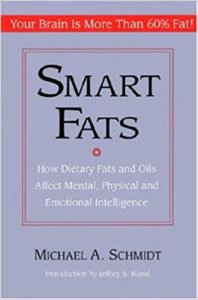
    Full disclosure: Sometime after our book went to press, an old physician friend of mine sent me a link to a long out-of-print book called Smart Fats that had indeed been published years ago, but that neither Dr. Masley nor myself had ever heard of that book when we wrote—and titled—our new book. So for all intents and purposes, we invented the term Smart Fat for modern times, and I’m actually glad that so many distinguished writers and nutritionists are picking up on it because, as you’ll soon see, it’s a very useful term to have.
    See, at one time in the not so distant past, we all believed that fat was bad and that low-fat diets were the key to health. Then, we slowly realized that not all fat was bad. Some fats—for example, fish oil and olive oil—seemed to be really healthy. So, we modified our old-fashioned demonization of fat in general, and came up with the notion of “good fat” (i.e., vegetable oils) and “bad fat” (i.e., trans fat and animal products).

    Well, that was then. This is now.

    You could, I suppose, think of the notion of “smart” fat as a much-needed update to the old, outdated notion of “good fat” and “bad fat.” The new way of looking at fat still recognizes that some fat is “good” and some is “bad,” but those categories are defined very differently.

    It doesn’t matter whether a fat comes from an animal or a vegetable. The only thing that makes a fat “good” or “bad” is whether or not it’s toxic. Toxic fat is bad—regardless of its origins. Some of the worst fats are the ones we’ve been told are terrific for us, and some of the best fats may turn out to be precisely the ones we were wrongly told to stay away from.

    Let me explain.

    In any sentient being—humans, animals—toxins are stored in adipose tissue (i.e., the fat cells). Fat cells are storage central for any toxin that gets into the body and doesn’t get excreted. When you raise cows on a factory farms—also known as CAFOs (Concentrated Animal Feeding Operations)—here’s what happens. The cows are fed massive amounts of antibiotics to fatten them up and to keep them from getting sick due to their poor diet and crowded conditions. They’re fed steroids and hormones (like bovine growth hormone). They eat grain—an unnatural diet for ruminants—and it’s grain that’s been sprayed with every kind of pesticide and chemical you can imagine.

    And guess what? All of that stuff winds up in the fat of the animals. And on your plate. And in your body.

    The fat of those animals is a toxic waste dump. And it has absolutely nothing to do with whether it’s saturated or not—(about half the fat in beef is actually monounsaturated)—and it has nothing to do with whether or not it came from an animal.

    I live in Southern California and we’ve had a couple of E. coli scares, traceable to contaminated spinach. But no one in their right mind thinks spinach is a “dangerous” food—everyone understands that a particular crop was contaminated by outside sources. The contaminated spinach was recalled, end of story, everyone can eat spinach and no one thinks it’s bad for you.

    Yet the situation with toxic fat is exactly like the situation with spinach. Animal products aren’t bad for you because they’re animal products, any more than spinach is bad for you because it’s a vegetable. Animal products, just like vegetables, are only bad for you when the animals are contaminated. Which is exactly what they are when they’re raised on feedlot, factory farms—and this goes for chickens and pigs as well as for beef.

    The fat from grass-fed animals, however, is a whole different story. Grass-fed animals—and pasteured pork, and free-range chickens—are raised on their natural diet. Cows are free to roam on pasture and chew on grass. They don’t eat an unnatural diet of grain. Chickens peck at bugs and worms and insects (good sources of omega-3). They’re not fed antibiotics. They aren’t fed hormones. Their fat is higher in omega-3 and lower in inflammatory omega-6. When I order grass-fed beef from Whole Foods or a farmer’s market, I never ask for the lean kind, because there’s no reason to. There’s nothing toxic in that fat at all.

    Our book divides fat into three categories—Smart, Neutral and Toxic. Toxic fat is fat from animals that have been raised on feedlot farms. Toxic fat is man-made trans fat. Toxic fat is damaged fat—like canola oil that’s been used and re-heated many times at a fast food restaurant. And—although vegetable oil per se is not necessarily toxic, most of it is highly processed and refined, very high in inflammatory omega-6, and, in the quantities we consume it, not very good for us. (Contrary to the old definition, vegetable oil isn’t always good fat, and definitely isn’t “smart” fat!) Saturated fat, on the other hand, is completely neutral when it comes to promoting heart disease. And in some cases—like coconut oil or Malaysian palm oil—saturated fat actually has some benefits.

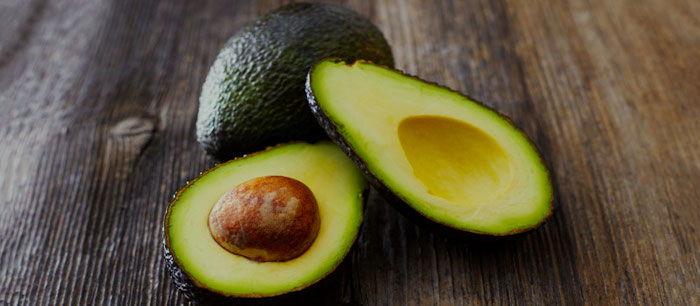
    When we made the bone-headedly stupid mistake of banishing fat from our diets, we lost one of the best sources of energy on the planet, and replaced it with sugar which is at the heart of every major epidemic that has a nutritional component (diabetes, obesity, Alzheimer’s, heart disease, fatty liver disease). We removed sources of calories with significant health benefits (i.e. fish, olive oil, nuts, avocados, grass-fed beef, free-range chicken, eggs, whole-fat yogurt, coconut oil, Malaysian palm oil) all in the hopes of attaining some elusive health and weight benefits believed to accrue to a low-fat diet.

    It hasn’t worked out very well.

    My hope is that our book is a harbinger of a whole new way of thinking about fat. Fat is our friend. It helps balance our hormones. It keeps our brain healthy. It provides amazing energy. It keeps us full. It’s vital for absorbing critical vitamins  (A, D, E and K) and other nutrients (carotenoids).

    The old way of thinking—“good” fat= vegetable oil, “bad” fat= animal products—is woefully out of date. It’s about time we started looking at fat as something which- -when used the right way—has the potential to transform our health for the better.

    Combined with the right amount of flavor, plenty of fiber, and liberal use of anti-inflammatory and antioxidant spices, the Smart Fat eating plan is one that has the power to change your life.

    Posted on WholeFoods Magazine Online,

    By Jonny Bowden, PhD, CNS aka “The Nutrition Myth Buster”™

  • Omega-7 for Inflammation?

    Omega-7 for Inflammation?

    [vc_row][vc_column][vc_column_text]

    I would like to talk to you about the reason why I recently added Omega-7 to my daily supplement regimen.

    Inflammation is in the heart of every degenerative disease, promoting heart disease and definitely a component of obesity and weight gain.

    Inflammation and weight gain are fellow travelers.

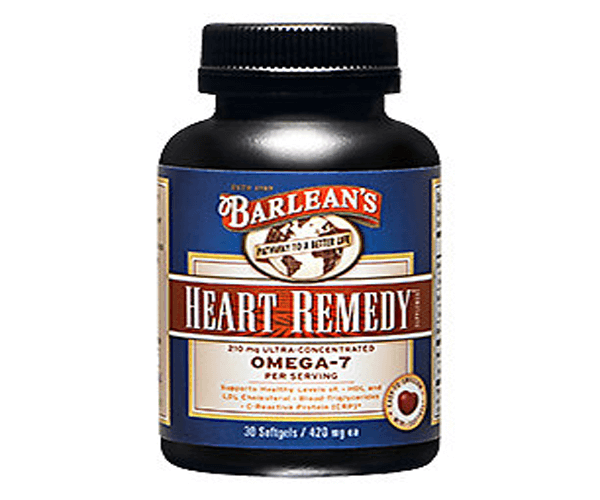
    In a clinical trial, they gave people 210 mg of Omega-7 and they found out that it lowered inflammation by an astonishing 44%.

    I recommend Barleans Omega-7 “Heart Remedy” supplement; this particular brand is 210 mg in dosage and comes from anchovies.

    Watch this short video and discover the benefits of the Omega-7.

    By Jonny Bowden, PhD, CNS aka “The Nutrition Myth Buster”™

    [/vc_column_text][/vc_column][/vc_row][vc_row][vc_column][vc_empty_space height=”22px”][/vc_column][/vc_row]

  • The Magic Of Magnesium

    The Magic Of Magnesium

    4-420x320

    When it comes to optimizing your health with dietary supplements, magnesium is at the top of my list of things to take—right up there with fish oil, vitamin D, and probiotics.  And while 70% of the American Public does not get enough magnesium in their diet, most of the population is unaware of its vital role in the body.  Let’s take a look at what magnesium can do for you, how it’s depleted from our system, and what we can do to about it.

    There are over 300 biochemical operations that depend on magnesium.  One of the most important ones is it’s ability to lower blood sugar.  If blood sugar rises too quickly or too frequently, your pancreas responds with a big shot of the sugar-wrangling hormone, insulin. Insulin is also known as the fat-storing hormone, and for good reason..  Over time, constantly elevated insulin usually leads to excess fat, inflammation, and even heart disease—all of this, tied to a single consequence of magnesium deficiency.

    Magnesium also lowers blood pressure.  Think about your heart working 24/7 to pump blood through your veins.  The higher your blood pressure, the greater the pounding your artery walls must endure.  Over time, injuries in the blood vessels results in inflammation.  Oxidized cholesterol, calcium, and all kinds of cellular debris gets into these injuries, which in turn leads to the formation of plaque, making it even harder for your heart to do its job.

    To add to the big picture, Magnesium also plays a pivotal role in the energy furnaces of our cells—the mitochondrion (plural: mitochondria).  The mitochondria are responsible for creating most of cell’s supply of ATP (adenosine triphosphate), which the cell uses as a source of chemical energy.  Magnesium stabilizes the mitochondrial membrane, ensuring the integrity of every cell in our body.

    Neurotransmitters, such as dopamine and serotonin, depend upon magnesium.  Bone density is partially dependent on magnesium.  A healthy nervous system—a healthy cardiovascular system—the biochemical pathways—all require magnesium. And almost no one is getting enough. (But it’s easy to fix—stay tuned.)

    While we have yet to be sure as to the exact amount required for optimal health, we do know what causes a deficiency in the body.  Many prescription, and over-the-counter medicines do a number on your magnesium stores, depleting it from your cells.  This includes antivirals, diuretics, hormone replacements, and even birth control pills.  As long as you’re taking them, they can interfere with the absorption or transport of magnesium—even altering the way your body puts it to use.

    So how can you ensure that you’re getting enough Magnesium in your diet?  Dark and leafy greens– such as spinach or kale–, are an excellent source.  Nuts, seeds, as well as avocados, will also provide some magnesium, as well as bananas, dark chocolate, and yogurt.  And even if you’re eating these foods regularly, a supplement is still a good idea.

    I recommend supplementing with 800mg of magnesium a day.  If you get a little more from your meals, you’ll be fine.  Magnesium is extremely non-toxic and in 25 years of practice I’ve never personally heard of anyone having problems from “too much” magnesium, yet a prolonged deficiency can be at the source of a lot of problems.


  • A NEW MIRACLE FRUIT? NOT SO FAST…

    A NEW MIRACLE FRUIT? NOT SO FAST…

    By Jonny Bowden, PhD, CNS aka “The Nutrition Myth Buster”™

    OK, class, let’s start with the Cliff Notes: There are no magical, miracle fruits.

    None.

    And yes, that includes the latest wonder fruit from the rainforest, or some obscure berry from Brazil, or some ancient, recently re-discovered elixir from some special mountain in Nicaragua that nobody ever heard of. All of them.

    It also includes the juices made from these supposedly magical fruits, juices that frequently sell for 40 bucks a pop and are only available from “distributors” who just happen to be uniquely qualified to tell you about the amazing health properties of the juice they’re selling while solemnly quoting you obscure research from Japan showing that their product cures cancer.14

    Research, incidentally, that no one ever heard of and that has never been duplicated or published in a serious journal. (I had some Kangan water salespeople run that Japanese research one on me, more than once.)


    So listen up. I’ve heard every one of these claims. And guess what? They’re all nonsense.

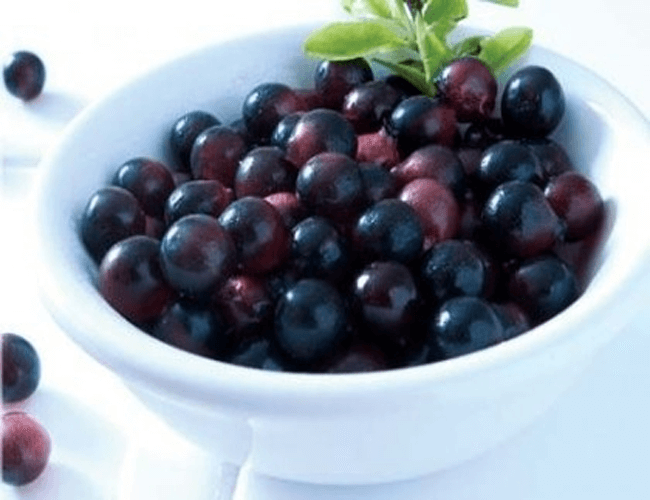
    Here’s the deal. Virtually every brightly colored fruit (or vegetable) in the universe contains antioxidants and anti-inflammatories. No argument there. Fruits and vegetables all contain a wide range of flavonoids, flavanols, polyphenols, catechins and all sorts of phytochemicals, and just about all of these wonderful compounds will support your health. But you don’t have to pay astronomical amounts of money for to get them. And there’s nothing special or unique about goji berries, acai berries, or any of the other overly hyped fruits. They’re terrific, sure. But so are blueberries.

    It’s also worth noting that if you’re eating a crummy diet and barely exercising, drinking one to two ounces of expensive juice isn’t going to do much for you.

    The folks that promote these juices seem never to understand how to prioritize their health battles. They’ll debate you endlessly on some esoteric and unproven “alkaline” water while scarfing down a Big Mac and apple pie.

    Hey, these juices aren’t bad for you. (Full disclosure: I had some nice things to say about Noni juice in my book, “The 150 Healthiest Foods on Earth”, and there is some promising science behind the fruit it’s made from.) But cure cancer? Grow hair? Change your life? Melt pounds from your middle?

    Come on.

    Bottom line- before signing up for some very expensive “juice cleanse”, or investing in some overhyped multi-marketed juice drink, go to Trader Joe’s and buy yourself a nice little assortment of some unsweetened, pure juices like blueberry, cranberry, pomegranate, and black cherry. Or better yet, make your own juice, or just eat a bunch of vegetables and berries. For about 1/10 the price (and no annoying talk of Diamond Distributorships and Up With People narratives) you’ll get all the antioxidant and anti-inflammatory power you need, and you won’t need to take out a second mortgage to do it.