Tag: healthy eating

  • Grilling Your Way to Cancer? You don’t have to.

    Grilling Your Way to Cancer? You don’t have to.

    [vc_row][vc_column][vc_column_text]

    Everyone says grilling meat causes cancer. Read what to do about it.

    By Jonny Bowden

    Barbeque season has arrived, which brings me to my annual message on healthy grilling.

    There is a smart way to grill, and a dumb way to grill. The first helps protect your health, the other does exactly the opposite.

    I recently had the opportunity to discuss healthy grilling when I appeared on Sacramento’s KCRA News and KXTVNews. During both interviews, I suggested that the single most important thing viewers could to protect themselves against cancerous compounds formed while grilling was to make a marinade:  of herbs, spices and Malaysian palm oil.

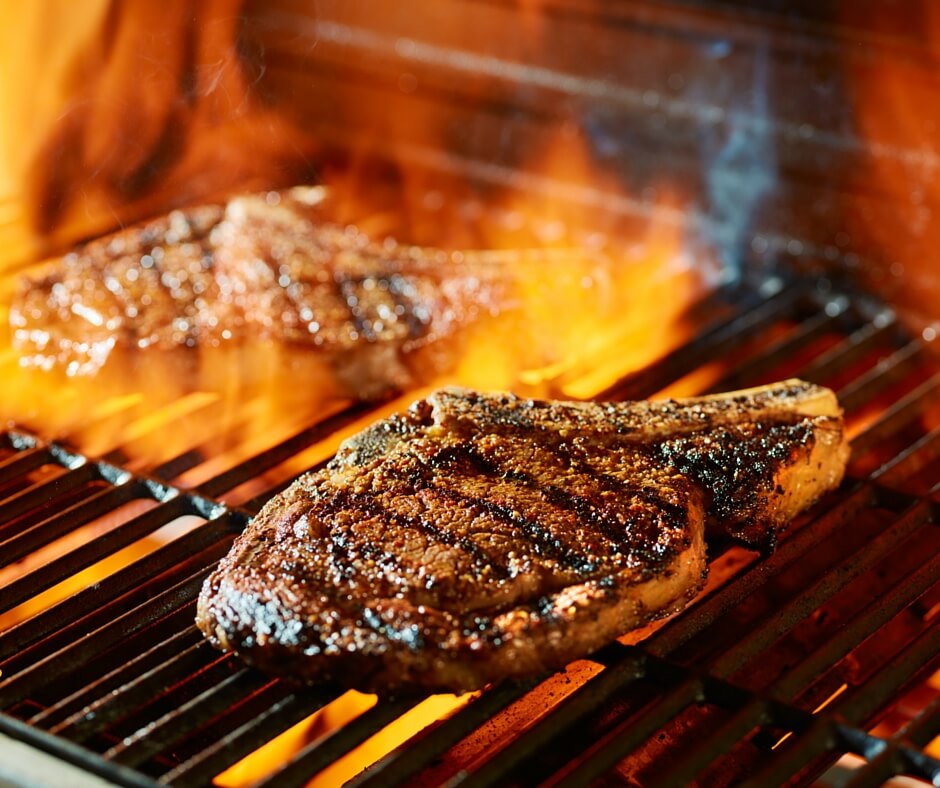
    The first commandment of grilling: Don’t leave food on the grill until it blackens. Those big flames licking your hamburgers may make the burger look mouth-watering, but what those flames are doing to the burger from a health standpoint is a disaster.

    See, the single biggest danger with grilling is high heat. Those big, attention-getting flames interact with the meat to form compounds called heterocyclic amines, which are carcinogenic.

    There are safer ways to prepare your meal.

    Making a marinade from oils and spices is a great grilling strategy. There’s solid research showing the protective effects of a good marinade as it really cuts down on all the compounds that you don’t want from your barbecue.

    As with everything, details matter, and in this case the details are in the choice of oil and choice of herbs and spices. Some oils work better than others for the marinade. Our diet is way too high in pro-inflammatory omega-6s, which are exactly what we’re consuming when we use vegetable oil. You are much better off switching to some better oils, like Malaysian palm oil. This red oil is filled with carotenoids and tocotrienols and I also like using it because of its sustainability. Malaysia protects 50 percent of their forests, which means there, no orangutan habitats are harmed in the making of palm oil.

    Adding herbs and spices with antioxidants and anti-inflammatory qualities to a better quality cooking oil can spruce up the marinade too. If you look on any nutrition data site, you’ll see that pound for pound, herbs and spices are more nutritionally rich than practically any other class of food. You can’t go wrong with any of them, but I particularly like using turmeric, oregano… or both.

    As Dr. Masley and I wrote in our recent book, Smart Fat, spices are like a medicine cabinet, stocked with terrific, health-giving, natural remedies that we don’t use nearly as much as we should. Use them! Cover whatever you’re grilling with Malaysian palm oil and then just go to town with any or all of the herbs and spices you’ve got on hand. Keep the heat a little bit lower than normal—eat meat, fish and chicken just a tiny bit rarer, and you’ll be doing yourself—and everyone at your BBQ—a tremendous service!

    [/vc_column_text][/vc_column][/vc_row][vc_row][vc_column][vc_column_text]

  • Heart-Protective Carrot-Ginger Soup with Chives

    Heart-Protective Carrot-Ginger Soup with Chives

    The following recipe is from The Great Cholesterol Myth Cookbook by Jonny Bowden, Stephen Sinatra, and Deidre Rawlings.


    Roasted vegetable tomato soupTangy, tasty, and warming from the inside out, the combination of carrots with ginger will delight not only your taste buds but your entire digestive system. This soup is packed with the antioxidants vitamin A and beta-carotene, together with tons of fiber and B-complex vitamins, it doesn’t get better than this for high-energy, nutrient dense soup.


    Ingredients:

    • 2 tablespoons extra-virgin olive oil or coconut oil
    • 1 large onion, chopped
    • 6 large carrots, chopped
    • 2 cups chopped butternut squash, skin on
    • 5 cups vegetable stock
    • 1/2 teaspoon salt, Celtic or sea
    • 1 teaspoon chopped fresh ginger, peeled
    • 1/4 teaspoon each ground cumin, coriander powder, and garlic powder
    • 1 cup chopped fresh parsley
    • 6 tablespoons plain yogurt
    • 2 tablespoons chopped fresh chives


    Instructions:

    Melt the oil in a large pot. Add the onions and cook for several minutes over medium heat until they begin to sweat. Add the carrots and butternut squash and cook for about 3 minutes. Add the vegetable stock, salt, ginger, cumin, and coriander and garlic powders. Bring to a boil, reduce the heat, and simmer, about 15 to 20 minutes, or until you can pierce the pieces easily with a fork.

    Purée the soup in a blender or food processor with the parsley. Serve with 1 tablespoon of yogurt in each bowl and top with fresh chives.

    Yield: 6 servings

    Note: Ginger is a stimulating herb that gets the blood flowing and the circulation going. Because of this, it can make you feel warm when nothing else seems to do the trick.

  • Three Great Holiday Recipes

    Three Great Holiday Recipes

    [et_pb_section fb_built=”1″ _builder_version=”3.22″ _i=”0″ _address=”0″][et_pb_row _builder_version=”3.25″ background_size=”initial” background_position=”top_left” background_repeat=”repeat” _i=”0″ _address=”0.0″][et_pb_column type=”4_4″ _builder_version=”3.25″ custom_padding=”|||” _i=”0″ _address=”0.0.0″ custom_padding__hover=”|||”][et_pb_text _builder_version=”3.0.74″ background_size=”initial” background_position=”top_left” background_repeat=”repeat” _i=”0″ _address=”0.0.0.0″]

    The following three recipes are from Jeanette Bessinger, the Clean Food Coach, www.thecleanfoodcoach.com.

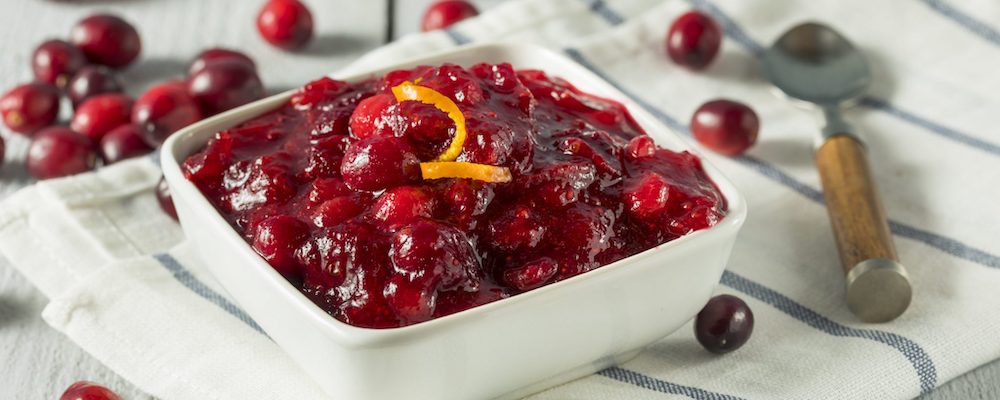
    Autumnal Antioxidants: Cranberry-Orange Relish

    This tangy orange-cranberry relish is made with fresh cranberries, not canned, and less than half the sugar of conventional canned relish. You may not realize it, but cranberries are one of the healthiest foods on earth. They have one of the highest antioxidant ratings, and are loaded with plant compounds known as flavonoids, which may reduce the risk of atherosclerosis. Emerging research also indicates that they may help protect brain cells. In any case, they taste great, and this fabulous relish is a perfect complement to the heady, herb-infused turkey!

    • 4 cups (440g) fresh cranberries, or 2 8-oz (225-g) bags frozen/unsweetened, thawed and rinsed
    • 2 oranges, peeled and halved
    • ½ cup (230 g) raw honey, or more or less to taste (or palm sugar)

    In a blender or food processor, blend together the cranberries, oranges and honey until a juicy relish is formed.

    Yield: 12 to 14 servings

    Notes from Chef Jeannette:

    Cranberries are not only delicious and nutritious, but also beautiful. If you wish to serve a canapé or cheese platter during a holiday gathering, fill your serving platter with a bag of fresh cranberries and place the food items on the top –lovely!
     

    Holiday Waldorf Salad

    Adapted from The Healthiest Meals on Earth: The Surprising Unbiased Truth about What Meals to Eat and Why by Dr. Jonny Bowden and Jeannette Bessinger for Fair Winds Press.

    Ingredients

    • 1/3 cup plain Greek yogurt
    • 3 tablespoons fresh squeezed orange juice
    • Juice from 3 tablespoons grated ginger root
    • 1 tablespoon raw honey or coconut nectar, or to taste
    • ¼ teaspoon powdered ginger, optional
    • 2 small crisp red apples (such as Macoun or Pink Lady), cored and chopped into small pieces (about 2 cups)
    • 4 celery stalks, thinly sliced
    • ½ cup purple seedless grapes, cut in half, optional
    • ¼ cup dried cranberries, cherries or chopped figs or dates
    • 1/2 cup lightly toasted walnuts or caramelized almond slices, coarsely chopped
    • 8 cups chopped hearts of Romaine

    In a small bowl, whisk together the yogurt, honey, orange juice and gingers. Set aside.

    In a salad bowl, combine all remaining ingredients through Romaine.

    Pour dressing over the salad and toss together to coat.

    Yield: 6-8 Servings

    Notes from Chef Jeannette:

    Replacing conventional mayonnaise with high protein, pastured, organic Greek yogurt transforms this timeless dish into a healthy classic.



    Easy Spiced Pumpkin Pie

    By Jeannette Bessinger, the Clean Food Coach, www.thecleanfoodcoach.com

    After years of baking pumpkin pies I’ve simplified a formula for a delicious, no-bake version that is grain-free, dairy-free, speedy and easy to make, even for non-bakers like me! This is sort of an interactive recipe because you need to decide what your priorities are –i.e. are you looking for the highest protein and lowest glycemic load? Try the tofu and Orange NuStevia combination. Don’t eat soy? Go with the avocado for the binder (it will not set as firmly as the soy). Looking for something a little sweeter and more traditionally flavored? Use canned pumpkin and pure maple syrup. You can even put the filling into a traditional baked flour crust – it’s still going to be a much healthier pie than any conventional option. Experiment a bit to hit the sweet level you enjoy and make it your own, tailored to your personal tastes and dietary goals.

    Crust Option #1

    • 2 cups macadamia nuts (raw or roasted)
    • 2 tablespoons finely grated fresh ginger
    • Pinch salt


    Crust Option #2

    • 2 scant cups walnuts
    • 1/3 cup fresh pitted Medjool dates (soak for 15 minutes if they are not soft and fresh)
    • 1½ teaspoons pumpkin pie spice
    • Pinch salt

    Filling

    • 2 cups fresh-cooked pumpkin * (or sweet winter squash, such as kabocha), drained if runny
    • 1/3 cup pure maple syrup or ½ cup rice syrup
    • 1 12.3-ounce package firm silken tofu or 2/3 cup lightly mashed ripe hass avocado
    • 1 teaspoon vanilla extract
    • 1½ teaspoons cinnamon
    • 1½ teaspoons ginger
    • ¼ teaspoon cloves
    • ¼ teaspoon allspice
    • Pinch salt

    Instructions

    To make the crust, combine all the crust ingredients from either option 1 or option 2 in a food processor. Slowly pulse and process, turning the mix over occasionally for even processing, until it looks like fine crumbs and holds together well when you pinch it between your fingers. If it’s under-processed it will not stick together, but if it’s over-processed, it will turn into an oily nut butter.

    When the consistency is right, transfer contents into a 9-inch pie plate and press evenly into the bottom and up the sides of the plate, scalloping around the edges with your thumbs, if desired. Place the crust in the freezer to help it set while you prepare the filling.

    To make the filling, combine the pumpkin, sweetener, spices and salt in a food processor and process until smooth and well-mixed. Add the tofu or avocado and process until completely incorporated (it takes a little longer for the tofu, and a little less time for the avocado). Spoon the filling into the crust and refrigerate for two hours to set completely. You can serve the pie at room temp, but it will be very soft.

    Yield: 8 servings

    Notes from the Clean Food Coach:

    *To cook a sugar pumpkin (or any large winter squash), simply cut it in half and remove stem and seeds. Cut each half into quarters (or eighths if the pumpkin is more than a few pounds) and cook on low in a slow cooker for 6-8 hours or until tender. Scoop out the flesh for use and discard the skins. Puree the cooked flesh in a food processor and drain in a double mesh sieve for at least 30 minutes if runny.

    You can also use high quality organic cooked pumpkin, but it will taste a bit blander than fresh-cooked –consider adding another half teaspoon of ground ginger or cinnamon to the filling.

    [/et_pb_text][/et_pb_column][/et_pb_row][/et_pb_section]
  • Free Range Citrus-Stuffed Herbed Turkey

    Free Range Citrus-Stuffed Herbed Turkey

    The following is from The 150 Healthiest Comfort Foods on Earth by Dr. Jonny Bowden and Jeannette Bessinger for Fair Winds Press.


    From Dr. Jonny: The holidays don’t have to be a time when you stop eating healthy; you can still enjoy many of the fabulous comforting offerings the season provides in abundance. Here’s a tremendous and traditional holiday meal for you that won’t feel you leaving one bit deprived. The turkey and cranberry-orange sauce are borrowed from The Healthiest Meals on Earth—one of our most popular recipes but the dressing is all new. It’s a remake of a comfort food staple which, although classic, is usually a high-glycemic, low-nutrient affair that can wreak havoc with your waistline. Our version is way better and just as tasty.


    Free Range Citrus-Stuffed Herbed Turkey

    We made the turkey “sans gravy” and stuffed it with a flavor-rich combo of herbs and citrus for a juicy and aromatic bird. (Free-range turkey only, please! You don’t need the added hormones and steroids!) Traditionally, this type of a whole-bird preparation calls for at least one stick of butter, but we reduced it and mixed it with olive oil, giving you a nice mix of heart-healthy fat and valuable olive phenols. (To get all the “good stuff,” use extra-virgin olive oil.) Fun fact: contrary to popular opinion, most of the fat in butter is actually monounsaturated fat, the same healthy fat found in olive oil!


    To Brine:

    • 1 18–20 lb turkey (free-range, not self-basting)

    You will need 2 to 3 gallons of brining solution for an 18–20 lb turkey.

    Per gallon of water, add:

    • 1 cup salt
    • ½ cup raw honey
    • 2 teaspoons finely grated lemon peel, optional
    • 2 teaspoons grated orange peel, optional
    • ½ tablespoon cardamom pods, optional
    • 1 teaspoon dried thyme, optional


    To Prepare the Turkey for Roasting:

    • 8 sprigs each of fresh rosemary (young and tender, not woody), sage and thyme, (1¼ to 1½ cups total when coarsely chopped)*
    • 2 shallots
    • 1 whole head garlic
    • 1 lemon
    • 1 orange
    • ½ stick butter, softened
    • 2 tablespoons olive oil
    • Salt and pepper, to taste
    • 1/2 cup sherry


    Starting with 2 gallons of water, mix the brining solution (salt through thyme) in the correct proportions, stirring until the salt and honey are dissolved. Rinse the turkey and pat it dry. Place the turkey in a lobster pot or large stockpot. Pour the brining solution to cover the turkey completely. Place turkey in the fridge for 12 to 24 hours. Remove, rinse very well under running water and dry thoroughly, including cavity. If you want crisper skin, brine and rinse the day before and place it, breast side up and uncovered in the basting pan in the fridge overnight to allow excess moisture to evaporate.

    Preheat oven to 400°F.

    Stem and coarsely chop the herbs, setting aside about ¾ (about 2/3 to 1 cup of herbs) of the total. Mince the remaining fourth (about ½ cup) of the herb mixture and put into a medium bowl.

    Peel the shallots and garlic. Cut shallots in half, crush garlic cloves, and add to herbs. Quarter but do not peel the lemon and orange and squeeze them gently to make a little juice, tossing fruit and juice together with other ingredients in the bowl.

    Using your hands, mix softened butter with olive oil in a small bowl until creamy.
    Moving carefully so as not to puncture the skin, work your hand between the turkey skin and the breast as far as you can go to create a pocket over both breasts. Smear half of the butter/olive oil mixture over the breasts, covering as much meat as you can reach.
    Place half of the reserved, coarsely chopped herbs in each pocket (on top of each breast). Do this carefully, and when complete, gently reshape (from the outside) the herb “pouches” above each breast to look rounded and smooth. Salt and pepper the inside of both cavities and stuff with fruit and herbs mixture. Tuck the wings behind the back, tuck the skin folds over the cavities to close, and truss the legs. Smear the entire bird with remaining butter/olive oil mixture, salt and pepper. Slowly pour sherry inside of the breast pockets, working it around to the leg joints.

    Place V rack inside of roasting pan and cover with foil.** Poke about 15 holes into the foil. Bake on V rack, breast side down, for 45 minutes then reduce oven temp to
    325°F. Turn bird breast side up, baste (can supplement juices with a few tablespoons of sherry if you wish), cover with tinfoil and continue to cook for about 2½ to 3 hours more, depending on the size of your bird. Remove the tinfoil to brown the breast and continue to cook for another 30 to 40 minutes, or until the thickest part of the breast and innermost parts of thighs and wings register at least 165°F on meat thermometer. When turkey is done, legs should roll loosely on the joint and the leg juices should run clear. Let rest on cutting board for about 20 minutes before carving.


    Yield: On birds more than 12 pounds, allow ½ to 3/4 lb per person, so an 18-pound turkey can serve between 24 and 36 people.


    Notes from Chef Jeannette:

    *If you are working with a large bird (that will take a longer cooking time) or desire a milder herb flavoring, use the whole stems (without chopping) under the skin. Just remove the large pieces when the cooking is complete and use as a garnish.

    **If you don’t own a V rack, try using 2 miniature loaf pans (4 or 5” by 3”), face down and set on either side of your roasting pan (in the middle, lengthwise). If using the loaf pans, no need for tinfoil.

  • Delicious Ways to Enjoy Vegetable Juicing for Weight Loss

    Delicious Ways to Enjoy Vegetable Juicing for Weight Loss

    The following is from Jonny Bowden’s New You In 22.

    Delicious Ways to Enjoy Vegetable Juicing for Weight Loss


    Many heath experts, myself included,  are advocates of vegetable juicing for weight loss, and will easily recommend vegetable juices as part of an effective weight loss plan.

    The thing is most people are not fond of vegetables. If you are one of these people, here are delicious ways to enjoy vegetable juices and benefit from their weight loss abilities.

    Gourmet Green Drink

    Contrary to common belief, green drinks are actually delicious. You can choose from any or a combination of the following for your green drink recipe:

    • Wheatgrass
    • Barley grass
    • Magma
    • Broccoli
    • Spinach
    • Kale
    • Parsley
    • Other green leafy vegetables

    Drinking your greens make vegetable consumption more palatable for fussy eaters or for those who are not fond of veggies. This is one delicious way to meet your recommended vegetable servings for weight loss.

    Some of the remarkable benefits you can get from your green drink are the following:

    1. Excellent source of nutrients that will allow you to stay healthy while dropping the pounds fast.
    2. Purifies your blood and removes the toxins from your body. Toxic substances interfere with the functions of your body systems resulting in poor health condition including excessive weight.
    3. Promotes overall health condition, and increases your energy levels to do all the activities you plan to do throughout the day.

    Smoothie Your Greens

    One of the more effective ways to lose weight healthily is to drink protein shakes for breakfast. You can create your own drink by juicing your green vegetables. For variety, you can create succulent green smoothies that will give you the following benefits:

    • Your body receives plant-based protein. In many ways, plant-based protein is healthier than animal-based protein. Veggies contain chlorophyll rich in alkaline.This will restore the good balance between alkaline-acid in your body, considering that the American diet today is highly acidic. The good balance of acid-alkaline is essential in weight management.
    • Vegetables are an excellent source of fiber. WebMD, in fact, recommends the consumption of fiber-rich food for weight loss. Health experts say that dietary fiber has that power to fill your stomach without the risks of storing unnecessary fats in the body.In a study that monitors the big weight losers, most of these individuals are habitual breakfast eaters with fiber-rich food as part of their staple meals.
    • Juicing your veggies makes it easier for your body to absorb the nutrients. As soon as the smoothie touches your mouth, digestion and abruption of nutrients begin.

    Vegetable juicing for weight loss will turn green veggies into an appetizing beverage that adults and kids will both love. According to Dr. Jonny Bowden, juicing is at its best when you use green vegetables as ingredients.

    Easy Recipes

    Here are three vegetable juice recipes that are easy to prepare and will deliver weight loss benefits to your body:

    Raw Chlorophyll Juice – Just combine all the ingredients below into your juicer:

    • Spinach
      Dandelion greens
      Parsley

    You may want to add the following fruits for flavor: apples and grapes.

    Easy Green Juice – extract the juice from the following ingredients:

    • 3 stalks of celery
    • About 10 pieces of lettuce leaves
    • 1 ½ green apple

    Kale Cool Aid Juice – juice the following ingredients and combine the extract together. Serve with ice.

    • About 5 pieces of kale leaves
    • 2 large cucumbers
    • 1 piece green apple
    • 1 piece of lemon, peeled
    • Thumb-sized ginger, peeled
    • 2 ribs of celery

    Tips for Juicing Your Veggies

    There is no doubt to the health power of vegetables. Using veggies as your ingredients to create weight loss juices can be as refreshing and as delicious as natural fruit juices by following these tips:

    1. Add apples or carrots to your recipes, as they are natural sweeteners. These two are also able to break the bitter taste of some vegetables.
    2. Prefer to juice fresh vegetables (also fruits), and as much as possible choose organic. Fresh organic veggies are superior in nutritional and health value.
    3. Your choice of juicer also matters. If you wish to maximize the weight loss and other health benefits of juicing your veggies, choose a good quality juicer.
    4. Mix and match your veggies, and include some fruits to your recipes. The trick is to create varied delicious-tasting recipes. The web has all the resources you need to help you.

    Start to benefit from your vegetable juice right now and enjoy the healthy results!


  • Giving Thanks Roasted Veggie Soup

    Giving Thanks Roasted Veggie Soup

    Untitled-2

    The following is a recipe from Kimberly Aguilar, the second winner in our Healthy Holiday Recipe Contest.


    Giving Thanks Roasted Veggie Soup

    When the weather turns chilly my family loves a warm cup-o-soup. I accidentally discovered this soup when I had some leftover veggie kabobs and some leftover turkey broth. While it works with any type of broth my family loves this soup made with turkey broth.

    Ingredients

    1 Zucchini cut into 3/8” slices
    1 Cucumber cut into 3/8” slices
    1 Red Bell Pepper cut into 1” pieces
    1 Small Red Onion wedge cut into 1” pieces
    2 Celery sticks cut into 1” pieces
    ½ lb whole Mushrooms
    1 c. Broccoli flowerets
    3-4 Roma Tomatoes (roast whole then cut)
    2 Tbsp Olive Oil
    1 Tbsp Fajita Seasoning
    3 Cups Turkey broth (can substitute chicken)
    4 Pop & Cook flavor Cubes – [1 frozen cube of each flavor: Garlic, Cilantro, Basil, Mild Chili]
    Sea Salt to taste
    Kabob Skewers

    Instructions

    1. Preheat oven to 425* F. and then foil line 2 sheet pans. This makes cleanup much easier.

    2. Wash the vegetables then slice/cut into bite size pieces. Place veggies on one sheet pan and then drizzle with olive oil and sprinkle on the seasoning. Rub to coat evenly and then sprinkle on the Fajita Season. Coat as evenly as possible.

    4. Place the Veggies on the kabob skewers (don’t overcrowd) and place the kabobs on the second sheet pan. Bake the kabobs for 20-22 minutes to get the fire/oven roasted look. Do not over bake as you want the veggies slightly crisp and not soft or burnt. Remove when done and let cool slightly.

    5. While Veggies are roasting, start pepping the broth. Pour broth into a stock pan. Heat on low/med heat. Now add all of the Pop and Cook Cubes Heat thoroughly. Bring to a boil then reduce heat and simmer. Cover.

    6. After veggies slightly cool, cut them into bit size pieces and add to broth. Simmer 5 more minutes then turn off the heat and let rest 2 minutes covered. Season with the sea salt to taste. Serve and enjoy.

    Untitled

    Serving size: 1 cup

    Makes: 6-8 servings

    This is a great appetizer on Thanksgiving day or a light meal any day.

  • From A to C Cream of Coconut and Butternut Soup

    From A to C Cream of Coconut and Butternut Soup

    The following is from The Most Effective Ways to Live Longer Cookbook by Dr. Jonny Bowden, Ph.D., C.N.S. and Jeannette Lee Bessinger, C.H.H.C., published by Fair Winds Press (2010)

    From Dr. Jonny: A great recipe for building the immune system. The red peppers are loaded with vitamin C, the butternut squash is full of vitamin A, and the coconut oil is an antimicrobial. The soup is rich and warming with a surprisingly fresh “bite” from the lime and cilantro. I especially love the way Chef Jeanette has made the recipe customizable for protein and fat content.


    Ingredients

    1 tablespoon coconut oil (or unflavored vegetable oil)
    1 large sweet onion, diced
    3 large cloves garlic, minced
    3 tablespoons minced ginger root
    1 teaspoon salt
    2 ½ teaspoons ground cumin
    1 tablespoon coriander
    ¼ teaspoon cayenne
    1 red bell pepper, seeded and diced
    1 ½ pounds butternut squash, peeled, seeded and cubed (about 1 large squash)
    4 cups vegetable broth
    1 can (13.5 oz) of coconut milk*
    Juice of 1 lime
    1 bunch fresh cilantro, chopped

    *You can customize this soup for fat and protein content, if desired. Use full-fat coconut milk for the richest soup. If you prefer lower fat and higher protein, use low-fat coconut milk and add one 12.3 ounce block of firm silken tofu. Drain the tofu and puree in a blender until smooth and creamy. Add to the pureed soup and cook for 10 minutes before adding the lime and cilantro.


    Instructions

    In a heavy-bottom soup pot, heat the oil over medium heat. Saute the onion until soft but not burned, about 7 minutes. Add the garlic, ginger, salt, cumin, coriander and cayenne, stirring to combine well. Saute for about 3 minutes. Add the broth and coconut milk, increase the heat to high, and bring the soup to a boil. Reduce the heat to a low simmer, cover and cook for 20 to 25 minutes or until all vegetables are very tender.

    Remove from the heat and puree the soup with an immersion blender until very smooth.

    Return the soup to the burner and heat on low for 5 minutes. Remove the heat and stir in the lime and cilantro.

    Yield: about 8 cups

    Per Serving: 338 Calories; 19g Fat (47% calories from fat), 7g Protein; 41g Carbohydrates; 6.2 g Dietary Fiber; 1.7mg Cholesterol; 1493mg Sodium.


  • Chocolate Peanut Butter Protein-Power Milkshakes

    Chocolate Peanut Butter Protein-Power Milkshakes

    Here’s a great way to make a milkshake healthier: Use frozen yogurt and real peanut butter. The classic milkshake is really high in calories because of the premium ice cream and chocolate syrup. No one loves ice cream more than I do, but in combination with pure chocolate syrup, it is lethal from a sugar and calorie point of view. Frozen yogurt lowers the calories and using real peanut butter is an inspired touch, adding healthy fat, some protein, and a ton of flavor without breaking the calorie bank. (And with lots less sugar than the “classic” version.) The added nuts and protein powder will not only lower the glycemic impact (the impact on your blood sugar) but will also beef up the protein and keep you satisfied much longer.

    Ingredients
    8 small high-quality, all-natural chocolate cookie snaps (such as MI-DEL)
    1 pint vanilla frozen yogurt
    2 scoops unsweetened, indentured vanilla whey protein powder, softened
    3 tablespoons (48 g) natural peanut butter, no added sugar
    3/4 cup (175 ml) milk (cow’s milk, unsweetened vanilla soy or almond)
    1 teaspoon vanilla extract

    Instructions
    Crush the cookies into small pieces in a resealable bag with a rolling pin or in a food processor. Add the crushed cookies, frozen yogurt, protein powder, peanut butter, milk, and vanilla to a high-powered blender and blend until mostly smooth.

    Yield: 4 servings

  • Protein-Powered Muesli With Coconut and Raisins

    Protein-Powered Muesli With Coconut and Raisins

    (from The Great Cholesterol Myth Cookbook, by Jonny Bowden, PhD and Steven Sinatra, MD)

    Loaded with fiber and rich in antioxidants, this sublimely tasty muesli is nutrient rich, crunchy, and flavorful. It will satisfy your appetite and keep your system working like a well-oiled machine for hours. Enjoy this dish as part of a nourishing breakfast or filling snack.

    2 cups rolled oats
    1 cup rye flakes
    1 cup dried dates, chopped
    1 cup raisins
    1 cup almonds, chopped roughly
    ½ cup walnuts, chopped roughly
    ½ cup pecans, chopped roughly
    ½ cup shredded coconut
    ½ cup sunflower seeds
    1 teaspoon pure vanilla extract
    ¼ teaspoon ground nutmeg
    ½ teaspoon ground cinnamon
    4 cups apple cider
    1 banana
    1 ½ cups blueberries

    In a large bowl, combine the oats through the cinnamon. Mix well. Place the mixture in an airtight, sealable container and stir in the apple cider. Cover, refrigerate overnight, and serve in the morning with chopped banana and blueberries.

    Yield: 8 to 10 servings

    Note: Nuts and seeds provide protein, essential fatty acids, and several antioxidant vitamins and minerals.


  • Super-Energizing Baked Beans

    Super-Energizing Baked Beans

    (from The Great Cholesterol Myth Cookbook by Jonny Bowden, PhD and Steven Sinatra, MD)

    The humble baked bean is the perfect breakfast food! Navy beans—used in this recipe—are a nutritional powerhouse of plant protein, fiber, iron, magnesium, copper, and calcium that supports cellular energy and an overall healthy metabolism. The pureed tomatoes are tasty and also a good source of the antioxidant lycopene. You’ll love the savory and flavorful addition of the herbs and spices that enhance the cardioprotective benefits of this dish.

    2 cups dried navy beans
    2 tablespoons extra-virgin olive oil or ghee
    2 cups chopped onions
    1 clove garlic, minced
    2 cups tomato puree
    ½ cup organic honey
    2 tablespoons apple cider vinegar
    1/4 teaspoon ground nutmeg
    ½ teaspoon ground cinnamon
    3 bay leaves
    ½ teaspoon each: ground turmeric and cumin
    ¼ teaspoon each: black pepper and salt (Celtic or sea)

    Soak the beans overnight. Drain and rinse under cold water. Add the beans to a large pot, cover with water, and bring to a boil. Reduce the heat to a simmer and cook for up to 2 hours.

    Preheat the oven to 300 degrees

    Drain the beans and place them in a large casserole dish, in a small skillet, heat the oil or ghee and sauté the onions and garlic until browned, about 3 or 4 minutes. Add the onions and garlic to the beans and combine. With the lid on, bake the beans for 3 hours, stirring frequently. Check the moisture level and water if needed. After 3 ½ hours, remove the cover and bake for another 30 minutes.

    Yield: 1 quart – approximately 8 servings

    Note: the insoluble fiber in baked beans is not fully digested but moves into the large intestine or colon, where friendly bacteria thrive on it to produce beneficial B-complex vitamins, enzymes, and short-chain fatty acids.