Tag: research

  • So who IS “The Biggest Loser”?

    So who IS “The Biggest Loser”?

    As I watched the first ever episode of “The Biggest Loser” back in 2004, I remember one question popping immediately into my head:

    Who’s going to turn out to be the real biggest loser here … the contestants?  Or the audience?

    Well, it’s 12 years later and the answer is clear:  It’s both.

    Let me explain.

    Weight loss as a spectator sport is a bad idea. It sets up expectations that are wholly divorced from reality. (“Man I only lost three pounds in two weeks and this dude on TV lost 17 pounds in one week!”) Not only is this “result” neither possible nor desirable in any realistic scenario, but it’s positively unhealthy and—as we shall soon see—utterly counterproductive.

    Weight loss as entertainment relies on techniques—the boot camp exercise, the hours of running, the starvation diets– that are abominably, horrifically, fundamentally stupid,  backed by not a shred of science, and are completely unsustainable. Yet watching people do this shit is entertaining enough to make you forget how dangerous it is. (Kind of like Donald Trump—but I digress.)

    So now, away from the teary, staged-for-television finales, and the “inspiring” stories of the winners, we have some actual numbers, some real science. Researchers followed “Biggest Loser” contestants for six years after their win , and for the first time, we have actual data on what happens to folks after losing a ton of weight through intensive dieting and exercise.

    It’s not a pretty picture.

    Thirteen of the fourteen contestants studied regained weight during the six years after the show. Four of them are heavier now than before they went on “The Biggest Loser”.

    But that’s not the bad part.

    The bad part is that nearly all of them have measurably slower metabolisms than they did six years earlier. That means they burn fewer calories than would be predicted for a person of their weight (more on that in a moment).

    Only one of the contestants—Erinn Egbert—weighs less today than six years ago. And she requires 552 fewer calories a day to maintain that weight than she would have required if she had never gained and lost all that weight in the first place.

    In other words, her metabolism slowed down.

    Yes, that dreaded “slow metabolism” that people constantly complain about to personal trainers (often incorrectly) is a real, measurable phenomenon. It’s something that people in the weight loss field have been observing clinically for a long time, but that the “Biggest Loser” study demonstrates for the first time with hard data:  A large amount of weight loss—especially when it’s done quickly– slows the metabolism. Folks require fewer calories to maintain their new, post TV-show, weight than someone who was that weight to begin with.

    Sorry. Don’t kill the messenger.

    Let’s use round, even numbers that in no way are accurate, but will make the point clearly. Let’s say you’re a healthy, never-overweight 150 pound person and you need 2000 calories to maintain that weight on a daily basis. At 2000 you won’t lose, you won’t gain, everything is hunky-dory.

    Now, over the years, you somehow balloon up to 325 and you go on the Biggest Loser and, miracle of miracles, you get your weight back down to your ideal, college weight of 150.

    So, you logically figure, you can go back to eating “normally”, which, for you, means that 2000 calorie a day diet that kept you where you wanted to be.

    Not so fast. To maintain that 150, you no longer need 2000 calories a day.

    You now need only 1500.

    And if you eat the 2000 that kept you perfectly healthy and fit pre-obesity, you will get fat again, even though you’re only eating what you used to eat before you became obese.

    For a real-life example, take Pastor Sean Algaier. His starting weight on  season 8 of the Biggest Loser was 444, and he dropped 155 pounds on the show. Now, six years later, he’s up to 450, 6 pounds higher than when he started. More importantly, he now needs a staggering 458 calories less to maintain that weight than he did before he went on the show.

    And yes, that’s supremely unfair. But there it is.

    A symphony of hormones—leptin, ghrelin, insulin, cortisol, adiponectin, and others—work fervently to get your body back to the weight it “thinks” you should be. That hormonal army is a powerful adversary—willpower doesn’t have a chance, at least not in the long run.

    Not only that, but new research on the microbiome shows clearly that the non-human microbes in your gut (which outnumber human cells by 3-10x) have a profound and dramatic effect on what happens to the calories you ingest.

    You know how there are folks who can eat anything and never gain an ounce, but you just look at Cherry Garcia and your hips grow an inch? The microbiome may be partly to blame.

    One class of microbes called firmicutes will stash practically every molecule of food you eat into the fat cells; another class of microbes called bacteroidetes has the opposite effect, burning up those calories almost as fast as you can ingest them.

    And we’re only now beginning to realize the effect of pesticides, environmental toxins, hormones, endocrine disrupters and… don’t get me started… GMO foods, on obesity.

    So the real victims in this story are the contestants—who lost a bunch of weight but gained it back with a slower metabolism to boot—and the audience—who learned a bunch of really stupid lessons about weight loss.

    Weight loss—despite what every health organization from the terrible American Dietetic Association to the American Medical Association tells us—is not– repeat NOT– just about exercise and diet. Obese people aren’t unmotivated, slovenly, gluttony people with no discipline. They suffer from a hugely complex metabolic dysregulation. Continuing to pretend that weight loss is as simple as cutting calories and going for a walk is the public health policy equivalent of medical malpractice.

    So does this mean we should all just throw up our hands and give up on weight loss? Hell, no.

    But an enemy better understood is an enemy more likely to be defeated. If obesity is our enemy, we better stop telling ourselves a bunch of lies about how easy weight loss is.

    And…

    … it wouldn’t hurt if we also thought a bit about why we want to lose weight in the first place.

    Most of us want to lose weight so we can be more:
    happy
    attractive
    healthy
    energetic
    sexy

    But if I’ve learned one thing in 25 years of doing this, it’s that we don’t really have to have the perfect body to have every one of the things on that list.

    See, I don’t believe everyone on earth can be thin.

    And most important, I don’t think it matters.

    Gorgeous, sexy, inspiring, energetic people come in every conceivable size. And while I don’t believe a six-pack is within reach of everyone, I do believe that everyone— at any weight— can be a better, more energetic, more sexy version of who they are now.

    And that while we’re figuring out this obesity thing—and believe me, we’re not even close to fully understanding it—it might be a good idea to work on having the things RIGHT NOW that you think you can only have “someday, once I’ve lost the weight”.

    Because there are a lot of benefits in cutting carbs, eating healthy fat, and exercising intelligently—and most of those benefits have very little to do with your waistline.

    And maybe if we stopped making it be “all about the weight”, and instead started looking at metrics like energy, sexuality, sleep, performance, attitude, optimism and well-being, we’d be a whole lot better off.

    No matter what size we happen to be.

  • Coffee — Health Benefits or Hype?

    Coffee — Health Benefits or Hype?

    First they said coffee protects against cancer. Read what happened next

    While working on the “coffee” entry for the 10th anniversary edition of my book, The Healthiest Foods On Earth, I had an interesting discussion with a colleague about the nature of coffee research.

    There’s been a ton of coffee research, and almost all of it has been very positive. Coffee drinkers have less risk of a baker’s dozen of conditions that aren’t exactly on your Christmas wish list—Alzheimer’s, gout, diabetes, pancreatic cancer. Compared to a matched group of non-coffee drinkers, coffee drinkers have a distinct advantage in the health risks sweepstakes.

    Even the World Health Organization has gotten on the coffee bandwagon.

    In 1991, it had warned that coffee might be a carcinogen. But in a rare reversal of position, it recently announced (June, 2016) that regular consumption of coffee could actually protect against at least two types of cancer.(1)

    Now understand something. I love—repeat love—coffee and drink a lot of it, so I’m always happy to hear about another study confirming coffee’s benefits.

    But I may have fallen into a trap, and it’s a trap that many people fall into when reading research, especially research which confirms what they already believe. I’ve pointed out this trap many times, which I thought would protect me from falling into it.

    I was wrong.

    At this point, I need to credit my esteemed colleague Dr. Dean Raffelock, who first pointed out the flaw in these studies. Follow the argument below, and you’ll soon see what that flaw is.

    You see, we now know that there’s a genetic component to how people metabolize coffee. There are slow metabolizers and fast metabolizers, and which group you fall into has a lot to do with how coffee affects you. Slow metabolizers are likely to be kept awake by the caffeine, to have their blood pressure go up (and stay up) and to get the jitters (essentially high levels of cortisol at work). Fast metabolizers have none of these problems and enjoy coffee immensely.

    The positive studies on coffee were almost all epidemiological, not clinical. What that means is that scientists look at large groups of people and watch what they do and take measurements. (A clinical study, on the other hand, is an actual experiment where you manipulate variables—like what drug is given, or how much sleep is allowed,. An observational study—which is what most of the coffee studies are—simply tries to find an essentially homogenous group of people (i.e. similar medical history, weight, age, etc) and compares those of them that drink coffee with those of them that don’t.

    What a study like this does not do is find a homogenous group of people, break them up into two groups, and tell one of them to drink five cups a day and the other to abstain.

    Do you see the difference?

    The coffee studies essentially ask people to identify themselves as either someone who drinks coffee or someone who doesn’t. The study then follows the subjects for as many years as possible and at the end of the follow-up, compares the two groups on a whole bunch of medical metrics. The coffee drinkers generally have a better outcome.

    But what Dr. Raffelock wisely pointed out is that on one crucial dimension, the two groups– those who drink coffee and those who don’t–are not the same.

    “The coffee drinkers who would generally volunteer for a study on coffee drinking would be a biased (self-selected) population because they already possess a metabolism better able to process coffee in healthier ways and would naturally have less tendency toward developing cancer or other diseases from it” he wrote to me in an email.

    “Most likely they have liver enzymes better at processing coffee just like some people have livers that process alcohol or other chemicals better than other people. So the coffee drinkers in this study could be a population that is already biased toward suggesting favorable results because they are already know they tolerate coffee well.”

    This is the kind of analysis most of us forget to do when looking at epidemiological research. We’d all be wise to remember the mantra of observational studies—correlation is not causation.

    In the case of coffee, it’s clearly true that coffee drinkers have a health advantage. But it’s ALSO true that those health advantages only accrue to people who do well with coffee.

    Moral of the story: If you hate coffee because it makes you feel like shit, don’t start drinking it for the health benefits.

    Metabolically, you’re unlikely to get the same results as people who tolerate coffee just fine.

  • The Mediterranean Diet vs. The Smart Fat Program

    The Mediterranean Diet vs. The Smart Fat Program

    A lot of people have asked me a really interesting question: How does the Smart Fat Program differ from the Mediterranean Diet? While there are some areas of overlap, such as the emphasis on eating lots of Omega-3s, fruits and vegetables, there are several main differences that can allow one to easily distinguish between the two dietary approaches.


    Pic-10To start, the Mediterranean Diet is a pattern of eating, rather than a strict food protocol. Some dishes may incorporate lots of fish and olive oil, while others are heavy on the grains, whereas some eat strictly fruits, nuts and vegetables. The Smart Fat Program, on the other hand, is very regimented: Five servings of smart fat a day, five servings of clean protein a Day, ten servings of fiber every day. Subscribers to the Mediterranean Diet tend to stay away from meat, regardless of the source. This is another point where the Smart Fat Program veers in its own unique direction.

     

    Major proponents of the Mediterranean Diet typically refer to Animal Fats as unhealthy and Vegetable Oils and Vegetable Fats as healthy. The Smart Fat Program draws the line between good & bad fats based on only one thing: Whether or not the fat is toxic. Fat is toxic if it comes from animals that have been on feedlot farms, or fed antibiotics, steroids, bovine growth hormones, or even raised on a grain diet. The Smart Fat Program does encourage eating plenty of fish, but also meat when it is grass-fed, organic and not teeming with toxins. To be clear, toxic fat has nothing to do with whether or not the fat is saturated and unsaturated.


    The third major distinction is grains, which are fairly prominent in the Mediterranean Diet and extremely limited on the Smart Fat Program. Even Whole Grains raise your blood sugar, can be very inflammatory, and many contain gluten, which can lead to Leaky Gut that can furthermore result in a chain reaction of health problems. While we do have some grains in limited amounts on the Smart Fat Program, it is not a grain-based diet by any means.


    Those are the basic distinctions between the Mediterranean Diet and the Smart Fat Program. There are some similarities between the two, but each has its own unique place. One can think of them as “friendly cousins” that have their like-attributes, but in the end are quite different.


    By Jonny Bowden, PhD, CNS aka “The Nutrition Myth Buster”™

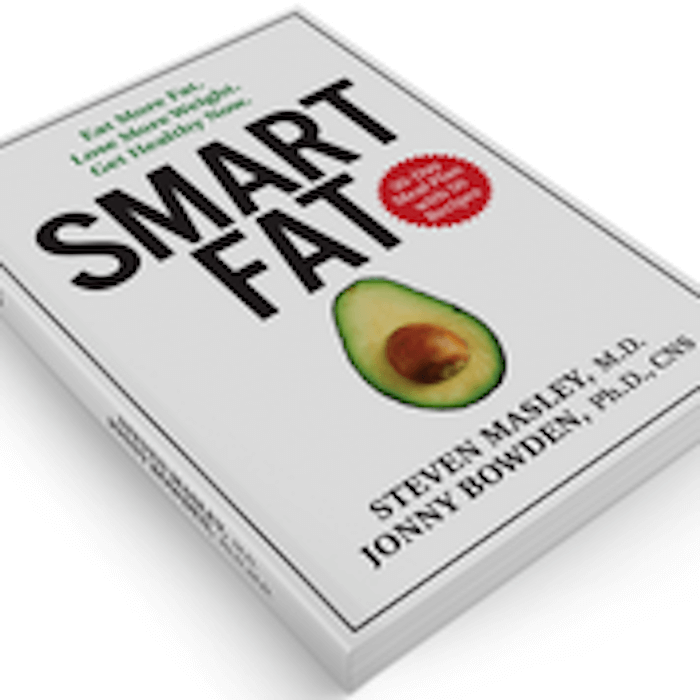
    Jonny Bowden, PhD, CNS, also known as “The Nutrition Myth Buster” ™ is a nationally known board-certified nutritionist and expert on diet and weight loss. He has appeared on the Dr. Oz Show, Fox News, CNN, MSNBC, ABC, NBC, and CBS and has contributed to articles in The New York Times, Forbes, The Daily Beast, The Huffington Post, Vanity Fair Online, Men’s Heath, Prevention, and dozens of other print and online publications. He is the best-selling author of 15 books, including The Great Cholesterol Myth (co-authored with Stephen Sinatra, MD). His latest, co-authored with Steven Masley, MD, is Smart Fat: Eat More Fat, Lose More Weight, Get Healthy Now! (Harper One, 2016)

  • What is the deal on e-cigarettes?

    What is the deal on e-cigarettes?

    I can’t resist a teaching moment, and let me tell you, there’s a great teaching moment unfolding right under our noses: it’s the way the media is reporting on e-cigarettes. First let me be clear. I’m no fan of e cigarettes. I’m pretty sure that as more research comes out, we’re going to find all kinds of reasons why inhaling some dumb, colored, flavored chemicals is probably not a good idea. That said, the media reporting on this subject has been both hysterical and irresponsible.

    So here’s the deal. Research recently came out in the New England Journal of Medicine that seemed to indicate that e-cigarettes could produce high levels of formaldehyde, which we know, is a complete poison. The media went to town! Here are a couple of the headlines: ‘High Levels of Formaldehyde Hidden in E-cigarettes’

    ‘E-cigarettes Not Safer than Ordinary Cigarettes’.  (You get the picture.)


    That made a lot of people who were thinking about quitting cigarettes have second thoughts. “What the heck!”, they probably said to themselves. “If these e-cigarettes are just as bad, if not worse, why bother? I might as well stick with my Marlboros.”

    So was that research accurately reported?

    The study focused on a premium vaporizer that heats flavored liquid containing nicotine to turn it into a vapor, which the user then inhales. Almost all of these devices let you run them at either low or high voltage. The researchers ran the device at both temperatures; at the low temperature they detected exactly zero formaldehyde, at the high temperature they did in fact detect some formaldehyde.

    But here’s the thing. No normal person would ever run these things at high voltage, because when you vaporize at high voltage it causes an absolutely disgusting taste!

    There have been human studies of vaping that found that once you’re above a certain temperature—- which by the way was even lower than the high temperature that the researchers used in the study— nobody could even inhale, the taste was so unbearable!

    So what you have here is the media reporting on a theoretical possibility that would never have happened in real life. It would be like testing the results of eating a food that had been seasoned with arsenic and then reporting that the food was unhealthy.

    I see this with vitamin studies all the time. They test the wrong form, the wrong dose and the wrong length of time, and the media runs with a headline that has just about nothing to do with what the research actually said.

    When The NY Times asked one of the authors of the study, David Peyton about the media coverage, he replied “What the media is reporting has nothing to do with our study. It is exceedingly frustrating to me that we are being associated with saying that e-cigarettes are more dangerous than cigarettes when, in fact, that is not in evidence.”

    The Times even told Peyton about a tweet that the New England Journal of Medicine had put out, which said that the authors of the study projected a higher cancer risk with e-cigarettes than with regular cigarettes. Peyton looked crestfallen and said, “I regret that. That is not my opinion.”

    By the way—if you’re wondering why this matters, here’s the answer. E-cigarettes suck, but they suck waaaay less than real cigarettes. And the fact that there are some dangers with them shouldn’t obscure the fact that moving from Camels to e-cigs is a huge step upward, a fact that’s getting completely lost here, thanks to the mainstream media’s utter inability to do nuance.

    In general, the media does a poor job of reporting research, whether it’s on heart disease, cholesterol, diet or nutritional supplements. That’s because research is almost always more complicated than what can fit into a sound bite. To say that e-cigarettes run on two different voltages— one that e-smokers actually use, and one that no e-smoker would ever use— and that the one that nobody uses produces formaldehyde doesn’t make for an exciting or sexy story.

    But to say e-cigarettes cause cancer, well, that’s a headline people will read!

    It just happens not to be true.

    Take what you read in the media about health research with a grain of salt. Read commentaries; go to the blogs of the people you trust, and dig a little deeper.

    You’ll almost always find that the headline is a poor representation of what actually happened in the research.


  • A NEW MIRACLE FRUIT? NOT SO FAST…

    A NEW MIRACLE FRUIT? NOT SO FAST…

    By Jonny Bowden, PhD, CNS aka “The Nutrition Myth Buster”™

    OK, class, let’s start with the Cliff Notes: There are no magical, miracle fruits.

    None.

    And yes, that includes the latest wonder fruit from the rainforest, or some obscure berry from Brazil, or some ancient, recently re-discovered elixir from some special mountain in Nicaragua that nobody ever heard of. All of them.

    It also includes the juices made from these supposedly magical fruits, juices that frequently sell for 40 bucks a pop and are only available from “distributors” who just happen to be uniquely qualified to tell you about the amazing health properties of the juice they’re selling while solemnly quoting you obscure research from Japan showing that their product cures cancer.14

    Research, incidentally, that no one ever heard of and that has never been duplicated or published in a serious journal. (I had some Kangan water salespeople run that Japanese research one on me, more than once.)


    So listen up. I’ve heard every one of these claims. And guess what? They’re all nonsense.

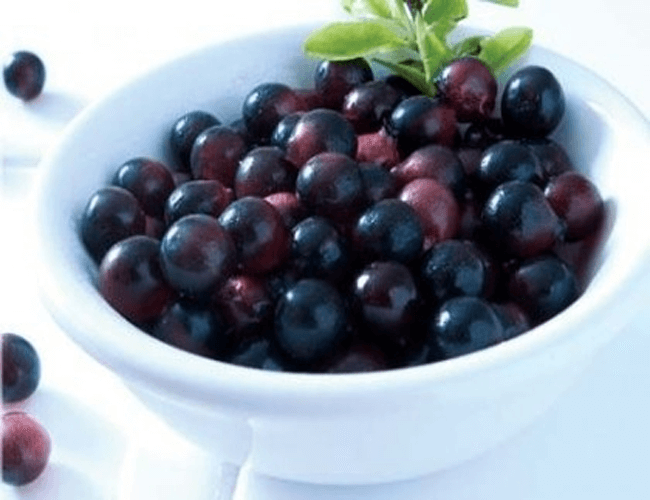
    Here’s the deal. Virtually every brightly colored fruit (or vegetable) in the universe contains antioxidants and anti-inflammatories. No argument there. Fruits and vegetables all contain a wide range of flavonoids, flavanols, polyphenols, catechins and all sorts of phytochemicals, and just about all of these wonderful compounds will support your health. But you don’t have to pay astronomical amounts of money for to get them. And there’s nothing special or unique about goji berries, acai berries, or any of the other overly hyped fruits. They’re terrific, sure. But so are blueberries.

    It’s also worth noting that if you’re eating a crummy diet and barely exercising, drinking one to two ounces of expensive juice isn’t going to do much for you.

    The folks that promote these juices seem never to understand how to prioritize their health battles. They’ll debate you endlessly on some esoteric and unproven “alkaline” water while scarfing down a Big Mac and apple pie.

    Hey, these juices aren’t bad for you. (Full disclosure: I had some nice things to say about Noni juice in my book, “The 150 Healthiest Foods on Earth”, and there is some promising science behind the fruit it’s made from.) But cure cancer? Grow hair? Change your life? Melt pounds from your middle?

    Come on.

    Bottom line- before signing up for some very expensive “juice cleanse”, or investing in some overhyped multi-marketed juice drink, go to Trader Joe’s and buy yourself a nice little assortment of some unsweetened, pure juices like blueberry, cranberry, pomegranate, and black cherry. Or better yet, make your own juice, or just eat a bunch of vegetables and berries. For about 1/10 the price (and no annoying talk of Diamond Distributorships and Up With People narratives) you’ll get all the antioxidant and anti-inflammatory power you need, and you won’t need to take out a second mortgage to do it.


  • Does Micronutrient Deficiency Cause Obesity?

    Does Micronutrient Deficiency Cause Obesity?

    If you are reading this right now, then the first thing you need to know about us is that we believe that 13micronutrient deficiency is the most widespread and dangerous health condition of the 21st century. This is because medical and nutritional science has shown that nearly 100% of the American and UK populations are micronutrient deficient to some degree, and that deficiencies in your essential micronutrients (i.e. vitamins, minerals, EFAs and amino acids) are at the root of nearly every health condition and disease plaguing the world today, including obesity. This is why we wrote Naked Calories and Rich Food, Poor Food, to alert you to this silent pandemic and show you how to create a state of micronutrient sufficiency through Rich Food, lifestyle changes and smart supplementation so that you can achieve optimal health. And why we are so excited about our new book The Micronutrient Miracle 28 Day Plan, showing you how to implement our three steps to micronutrient sufficiency with daily menu plans and delicious Rich Food recipes.


    However, while we are the “micronutrient couple” and always tend to examine each health related problem from that perspective, the majority of medical and nutritional literature on obesity often focuses on factors other than micronutrients. So you can imagine how happy we were when we read a brand new 2015 study published in the Journal of the American College of Nutrition that was looking at the connection between obesity and micronutrient deficiency. At the conclusion of the study the researchers stated, “We conclude that obese adults compared to normal weight adults have lower micronutrient intake and higher prevalence of micronutrient inadequacy.” And went on to say, “It has been hypothesized that the micronutrient deficiencies may be contributing to obesity and fat deposition and could lead to further weight gain or development of associated metabolic diseases.

    When you pair this study’s findings with the many other studies on the connection between overweight/obesity and micronutrient deficiency including the 2007 study published in the journal Economics and Human Biology, where researchers revealed that micronutrient deficient women had an 80.8% higher chance of being overweight or obese than non-deficient women, you can start to see how important micronutrient sufficiency may really be in our fight against obesity.

    The fact is obesity affects many of us as well as our loved ones. What we can learn from those suffering from this condition may help us all better understand what truly lies at the root of this global pandemic. Our goal is rethink obesity altogether and to join the growing number of nutritional theorists and scientists who are thinking outside the box and connecting the dots between micronutrient deficiency and obesity in completely new ways. One of those people is Bruce N. Ames, Ph.D. Senior Scientist at the Children’s Hospital Oakland Research Institute Nutrition and Metabolism Center and Professor of the Graduate School, University of California–Berkeley, who in the quote below eloquently describes the biological strategy for micronutrient deficiency causing overeating and ultimately obesity.

    “We hypothesize that a micronutrient deficiency counteracts the normal feeling of satiety [feeling full] after sufficient calories are eaten. This may be a biological strategy for obtaining missing nutrients, which is important in fertility. Thus part of the reason for the obesity epidemic may be that energy-dense, micronutrient-poor diets leave the consumer deficient in key micronutrients, e.g., calcium, and constantly hungry.”

    The biggest problem with our current method of dealing with obesity is that most people don’t know that there are two types of hunger your body can experience?

    Most of us are familiar with the first type of hunger, which occurs when you have not eaten enough food or have not eaten for a long period of time. Your body usually lets you know that you are experiencing this form of obvious hunger with stomach grumbling and hunger pangs.

    The second type of hunger, which is the type Dr. Ames was referring to, is not so obvious; it is known as “hidden hunger,” and it occurs when you have not ingested enough essential micronutrients to meet your body’s minimum requirements. In the past, eating more food would alleviate both forms of hunger. That’s because the food of our ancestors delivered both caloric value and abundant micronutrient value. However, in modern times, simply eating more food will not necessarily reverse hidden hunger because many of today’s foods have become increasingly devoid of their essential vitamins and minerals.

    In the end it all comes down to…micronutrients. Are you deficient in your essential micronutrients? Are you unknowingly opening the door to obesity or other unwanted health conditions or diseases in your life? We want to leave you with one last quote, but this time from us. We wrote it several years ago now (2010), but we feel that its insight into overweight/obesity is as valid today as it was then.

    “If these contemporary theoretical perspectives were to be combined with current scientific research concerning the link between micronutrient deficiency and obesity, being overweight or obese would be viewed in an entirely different light. Instead of being wrongfully perceived as lazy, undisciplined overeaters, overweight and obese people would be seen for what they most likely are—individuals who are simply biochemically more in tune with their body’s need for their required essential micronutrients and are trying to achieve micronutrient sufficiency the only way that their bodies know how—by eating more food.”

    Last but not least, don’t be discouraged if you are battling with obesity, take some time and think about the micronutrient deficiency connection. Perhaps the 3-step plan to micronutrient sufficiency that we outline in our new book The Micronutrient Miracle is just what you have been searching for!


    Guest blog by Jayson Calton, PhD and Mira Calton, CN


  • Video: My Opinion of the US Weekly Diets Issue

    Video: My Opinion of the US Weekly Diets Issue


    This week, US Weekly published it’s annual issue on diets. Tailors TapeUsually I get apoplectic when I read this stuff, but this time it wasn’t nearly as horrible as I expected. In this video, I’ll tell you what I think about celebrity diets. Spoiler alert: as long as you look at it in the right way—I explain how in this video—celebrity nutrition advice can be a hoot.


  • Hormones and Weight Loss

    Hormones and Weight Loss

    The following is a guest article from my friend Glen Depke of Depke Wellness. Glen is a traditional naturopath, specializing in adrenal function.


    When we think about weight loss, we typically think about diet and exercise. Far too often the issue that is staring us back in the face is that the diet and exercise haven’t helped us achieve our weight loss goals.

    How can that be?

    After all, we’ve been told for years that if we are carrying too much weight and fat, we simply need to exercise more or eat less. Not so fast!

    Many of you reading this article have been watching your diet for years, and killing yourself at the gym, with what results? Perhaps minimal weight and fat loss if any.

    When I lived in the Chicago area, I used to work out at a specific gym and almost every time I went to the gym, regardless of the day, I saw this one particular young woman. We’ll call her Jane (obviously this was not her name.) Jane was actually going to college to become a dietician, so she was learning mainstream nutritional ideals, such as calories in/ calories out, cut back on sugar and eat more lean meat and less fat. Based on her studies she was also very aware that she had to burn more calories, so she simply had to work out harder. I would watch Jane every day go from the StairMaster, to the treadmill and sometimes back to the StairMaster for more. She would put a towel on the machines because she would simply be dripping with perspiration. Honestly, I have never seen somebody work so hard, yet never seem to budge with her weight and the same level of fat around her midsection and hips. Actually, it was disheartening to watch.

    So what was Jane’s problem?

    Was she not paying attention to her diet? Was she lazy with her workouts? Of course the answer to both of these questions was absolutely not!

    While I never had the pleasure of working with Jane to help her discover the core of her fat and weight loss challenges, I would bet the house that she had some significant hormonal imbalances.

    So that’s the simple answer, right? Hormone imbalance is the weight loss issue?

    Well, not so fast again. What hormones and from where? Are we talking about the thyroid and T3 and T4, are we talking about the ovaries and female hormones, perhaps for men the testes and testosterone, or maybe the pancreas and insulin. While all of these are of course playing a role, what we are really talking about here is adrenal function. Understand that your adrenal function will directly affect the pancreas, thyroid and ovaries. So while regulating thyroid hormones will assist your body’s metabolism and help with weight loss, the insulin produced in your pancreas will affect weight loss, and the female hormones produced in the ovaries will assist with weight loss. The common denominator affecting all of this is your adrenal function.

    And reason why is adrenal function the focal point when we have so many other glands in the endocrine system playing a role? The answer is simple. Your adrenal function will be a direct response to stress in your life, whether your stress is mental/emotional, inflammatory, infection, injury, chemical, environmental or even spiritual/vibrational. And who in our culture is not dealing with at least one if not many more of these stress levels? The adrenal gland function is most often the first to go, thus dragging down all the other glands and ultimately driving up your weight too!

    But that’s not all. Your adrenal function will actually play many roles in weight loss, beyond their affect on the above endocrine glands. Your adrenals will also affect your mucosal integrity and metabolism of fat and protein, thus hindering your body’s ability to regulate body weight and fat. The mucosal lining will impact digestion overall, as this lines the interior of your small intestines, which in turn will have a direct affect on your body’s ability to absorb and assimilate nutrients. In the end, this can leave you craving more food, and overweight. The poor metabolism of protein and fat will also have you sitting at the dinner table longer and more often because your body will be looking for more protein to convert to the amino acids, which are simply the building blocks of life, and more fat to fuel your body and enhance your brain function. After all, your brain is made up of fat and cholesterol. So please understand that poor adrenal function will simply lead to craving more food, more often.

    Another area of concern with weight loss as tied into your adrenal function is centered around inflammation. While most are under the impression that the weight you are carrying is fat, you might be surprised how much of your extra weight is actually due to inflammation. You may ask, what the heck does inflammation have to do with adrenal function? More than you may think! Actually, your adrenal function plays a direct role in both pro and anti-inflammatory states. So often I see clients that create inflammation as a part of a healthy immune response, only to be “stuck” in chronic inflammation because their adrenal function is so depleted that they cannot produce the needed cortisone, which is your body’s natural anti-inflammatory hormone.

    We can then take this one step further. The chronic inflammatory state leads to an increase in fat cell production, which leads to insulin resistance, which then creates insulin surges, and lastly creates more inflammation. Yikes! Right?

    This is an ugly cycle that so many people get into. But why can’t they get out? You guessed it, poor adrenal function.

    Beyond this, your adrenal function will also play a role in blood sugar balance, cellular energy (who doesn’t want more energy these days?), your quality of sleep and neural connectivity, all of which play a role in weight loss.

    So if you want to reach our fat and weight loss goals, do NOT forget your adrenal function. If you do, you are likely going to miss the weight loss boat. I wish I could have told Jane this years ago!

    If you question your adrenal function, you are welcome to take the Depke Wellness complimentary adrenal stress profile assessment.


    Glen Depke has made his Adrenal Assessment available to the  Jonny Bowden community for free. You can access it by clicking here.


  • Melatonin: So Much More Than A Sleep Aid

    Melatonin: So Much More Than A Sleep Aid

    Here’s a riddle for you: Why do blind women get breast cancer at about half the rate that sighted women do?

    We think it has to do with two things: light, and a hormone called melatonin.

    Most people who have heard of melatonin know it as a supplement that can help with sleep (which it definitely can). And it’s great for jet lag. But the melatonin story is a lot more interesting– and complicated– than its ability to serve as a natural cure for insomnia.

    Melatonin may have a role in protecting you against cancer. It also supports the immune system and is one of the most powerful antioxidants we know of. It protects cell membranes even more than vitamin E does, and is more effective than glutathione (an important antioxidant in the body) at neutralizing a deadly free radical that causes oxidative damage, hydroxyl radicals.

    So although melatonin is not by itself a miracle anti-aging supplement, it helps protect against a number of age-robbers.

    Take sleep, for example.

    During sleep, a great deal of cellular damage that occurs during the day is repaired and that repair process is initiated by secretions of melatonin. And because disturbed sleep so often accompanies aging, anything that can help us sleep better (with ancillary benefits to boot and no side effects) might be something to take note of. Melatonin definitely fits the bill.

    Poor sleep quality reduces the secretion of growth hormone, an important hormone that helps us keep muscle and lose fat. It may also raise levels of stress hormones such as cortisol.Lack of rest or disruption of normal sleep patterns can increase hunger, leading to obesity-related illnesses and accelerated aging. Because melatonin is so helpful in getting a good night’s sleep, the use of melatonin as a supplement may have far-reaching consequences for many of the conditions that interfere with healthy aging.

    And if all this weren’t enough, melatonin may also be good for the heart. Researchers tested melatonin supplements on women aged forty-seven to sixty-three and found that supplementation improved the “day-night” rhythm of blood pressure, significantly decreasing nighttime blood pressure.

    “Melatonin, in addition to being an incredibly powerful antioxidant, may well turn out to be cardio-protective”, says Beth Traylor, MD, of Cenegenics Medical Institute.

    Melatonin is a hugely important hormone with many overlapping benefits. virtually everyone over the age of forty doesn’t make enough, and taking a little extra doesn’t seem to have any negative side effects.

    Melatonin has been used successfully as a supplement for sleep in doses from as low as 0.1 mg to as much as 10mg.

  • America’s Number One Addiction Might Shock You

    America’s Number One Addiction Might Shock You

    The following is a guest blog from my friend, JJ Virgin, author of NY Times bestseller The Virgin Diet: Drop 7 Foods, Lose 7 Pounds, Just 7 Days.


    “I wanted to do it alone,” a client told me. “I didn’t want anyone else around. Minutes after I began, I felt this rush of euphoria and I couldn’t stop. Then came the inevitable crash, where I wanted to curl up in the fetal position watching Friends reruns.”

    If you’re concerned my client had a drug addiction, you’re not far off. Sugar had become her drug of choice, and constantly grazing on even so-called healthy hidden-sugar foods had trained her body to demand it constantly.

    “Being addicted to sugar and flour is not an emotional eating disorder,” says Dr. Mark Hyman, author of The Blood Sugar Solution 10-Day Detox Diet. “It’s a biological disorder, driven by hormones and neurotransmitters that fuel sugar and carb cravings — leading to uncontrolled overeating. It’s the reason nearly 70 percent of Americans and 40 percent of kids are overweight.”

    You might find it hard to believe a bag of chips or chocolate bar could create such catastrophe, but those and other processed foods send a rush of sugar that alerts your brain’s reward center to release feel-good neurotransmitters like serotonin, dopamine, and beta endorphin.

    These endorphins respond to dietary triggers. When you eat a fatty, sugary food – say, a chocolate chip cookie – they really come out to party. The endorphin surge gives you intense pleasure and blocks pain, the same as if you had just injected heroin.

    Considering the average American eats 22 teaspoons of added sugar, largely from processed foods and fizzy drinks, those several daily feel-good surges can become quite a habit.

    Sugar: The New Cocaine?

    A decade ago, critics appeared skeptical sugar could become addictive. Yet as new studies emerge and prominent experts speak out, sugar addiction has become a legitimate, concerning focus as sugar consumption, particularly as high-fructose corn syrup (HFCS), escalates.

    “Animal studies have shown that refined sugar is more addictive than cocaine, heroin or morphine,” says As Dr. Pamela Peeke, author of The Hunger Fix. “An animal will choose an Oreo over morphine. Why? This cookie has the perfect combination of sugar and fat to hijack the brain’s reward center.” Hyman believes sugar can be eight times more addictive than cocaine.

    Outlandish as those claims might seem, studies verify them. One published in the journal NeuroReport argues that “palatable food stimulates neural systems implicated in drug dependence.” Another study published in the journal Archives of General Psychology found a food addict’s brain operates similarly to a drug addict when they think about eating sugary, fatty foods.

    It’s not just the immediate gratification that creates damage. Sugar addiction also sets the stage for future hunger, cravings, and food intolerances.

    One study published in The American Journal of Clinical Nutrition found high-sugar impact foods trigger the nucleus accumbens, your brain region that controls reward and craving. Researchers noted this domino addictive pattern plays a “special significance to eating behavior at the next meal.”

    Dr. Robert Lustig, an American pediatric endocrinologist at the University of California, San Francisco (UCSF), has become a vocal sugar-as-addiction proponent. Lustig’s lecture “Sugar: The Bitter Truth” has almost five million YouTube hits.

    “His meta-analysis of the cutting-edge research on large-cohort studies of what sugar does to populations across the world, alongside his own clinical observations, has him credited with starting the war on sugar,” writes Zoe William in The Guardian. “When it reaches the enemy status of tobacco, it will be because of Lustig.”

    Lustig believes sugar creates serious hormonal havoc. High blood sugar elevates insulin, which blocks your satiety hormone leptin. High levels of cortisol, your stress hormone, increase your urge for comfort foods. High cortisol during sleep increases ghrelin, your hunger hormone, so you’re more likely to ask for a stale donut the next morning with your caffeine fix.

    Other hormones become disrupted too, but you get the domino-effect point. From that hormonal havoc, you can begin to understand how sugar addiction occurs. With the right strategies, you can free yourself even if you’ve been an addict for years or decades.

    Freeing Yourself from Sugar Addiction

    I helped my client, who was so embarrassed about her sugar addiction that she often ate alone, and numerous other people break the cycle with healthy substitutes that satisfy without leaving you deprived or hungry.

    Eventually, you begin to crave these foods rather than a big piece of peanut butter chocolate pie. You might not believe me if you’re a current sugar junkie, but I’ve witnessed former addicts crave the natural sweetness of berries, vanilla, and roasted almonds.

    Sugar could be holding you hostage in ways you’re not even aware. Bottled drinks, vinaigrette dressings, and glazed meats are among the many “sneaky sugars” that add up around your waistline.

    You needn’t surrender all these foods cold turkey. In fact, I’d rather you didn’t. In my new book The Sugar Impact Diet, I’ll show you a cutting-edge, withdrawal-free way to gradually taper off sugar so you never feel deprived.

    The biggest step to conquer sugar addiction is with your fork. Pile on the clean, lean protein, stock your fridge with fresh veggies and hummus, and keep nuts and seeds at the ready on your countertop. They’ll keep your serotonin levels even and will help keep your amped-up food-reward cycle in check. A steady supply of sugar to the brain from slow carbs actually helps your mental clarity and focus.

    As your taste buds come alive again, you’ll learn to appreciate spicy and savory foods like Cajun spices, salsas, garlic, and onions. You’ll ratchet up the flavor in your foods until you can appreciate the way they burst!

    As a sugar addict, you may not even realize that your diet is bland. Not only because you’re eating one-dimensional high-sugar impact foods, but because you’ve also lost your ability to truly taste.

    You’re missing out on a lot. You’re missing bitter, like the nuance in dark chocolate, and tart, like the party on your tongue after you eat Greek yogurt. These foods and flavors will all help you transition beyond craving sweet, and only sweet.

    Once people become sugar detectives, they become amazed at how sneaky added sugars can become. What’s one food you once thought healthy that you actually learned contained hidden sugar? Share your thoughts below or on my Facebook fan page.