Tag: holistic living

  • Omega-7 for Inflammation?

    Omega-7 for Inflammation?

    [vc_row][vc_column][vc_column_text]

    I would like to talk to you about the reason why I recently added Omega-7 to my daily supplement regimen.

    Inflammation is in the heart of every degenerative disease, promoting heart disease and definitely a component of obesity and weight gain.

    Inflammation and weight gain are fellow travelers.

    In a clinical trial, they gave people 210 mg of Omega-7 and they found out that it lowered inflammation by an astonishing 44%.

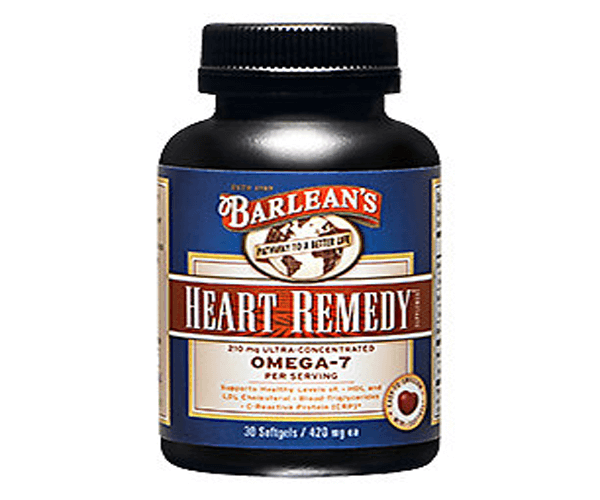
    I recommend Barleans Omega-7 “Heart Remedy” supplement; this particular brand is 210 mg in dosage and comes from anchovies.

    Watch this short video and discover the benefits of the Omega-7.

    By Jonny Bowden, PhD, CNS aka “The Nutrition Myth Buster”™

    [/vc_column_text][/vc_column][/vc_row][vc_row][vc_column][vc_empty_space height=”22px”][/vc_column][/vc_row]

  • Top Five Healthy Habits for Extending Your Life

    Top Five Healthy Habits for Extending Your Life

    [vc_row][vc_column][vc_column_text]

    Let’s be honest- if you could find the recipe for a long, robust life of optimal health and vibrant energy, you’d probably discover that it has a lot more than five ingredients. People who maintain phenomenal health well into their ninth and tenth decades probably do a whole lot of things differently than the average person. That said, you can’t go wrong cultivating the following five habits. Every one has been shown to have a significant connection to either a longer or a healthier life- sometimes both.

    family

    1. Stay connected. Study after study demonstrates that people who maintain strong personal and social connections have better health outcomes than people who don’t. Stay involved. Even caring for an inanimate object can actually extend your life and boost immunity. In one study, a group of nursing home residents who were given a plant to take care of had significantly better health outcomes (and less deaths) than those who weren’t. There’s a reason married men live longer than single men!
    2. Walk every day for 30 minutes. We can debate whether walking is the ultimate complete exercise (it’s not), but the fact is that 30 minutes a day of aerobic exercise protects the brain and may stave off nasty degenerative diseases like Alzheimer’s and cognitive decline. Evidence from the National Weight Control Registry shows that walking is one of the main habits of people who successfully keep weight off. And massive evidence shows the cardioprotective effects of even moderate aerobic exercise.
    3. Take fish oil daily. If there’s one supplement that could benefit just about everyone on the planet it’s fish oil. The omega-3 fats in fish lower triglycerides, protect the heart and brain, help regulate mood, fight depression and may impact memory and cognition. Best of all, fish oil is one of the strongest natural anti-inflammatories there is, and inflammation- “the silent killer”- is a component of virtually every degenerative disease from obesity to heart disease to Alzheimer’s.
    4. Eat a high fiber diet. High fiber diets have been associated with just about every positive health outcome you can imagine. Health organizations recommend 25-35 grams of fiber a day– the average American gets a paltry 8-11 grams. Fiber helps with weight loss, helps regulate blood sugar, and may protect against some forms of cancer. Best of all, the only way to get it is by cultivating yet another life-extending habit: eating real foods, namely vegetables, vegetables and more vegetables. Plus fruit and beans.
    5. Destress your life: Sure, it’s easier said than done but consider this: a consistently high level of the stress hormone cortisol kills cells in the hippocampus, an important area of the brain needed for memory and learning. While some stress is actually beneficial, most of us have way too much, much too often. Destressing- and it’s companion activity, restful sleep- restores valuable balance to the body’s systems and probably extends life. Maybe it’s no coincidence that the ever mellow Tibetian monks are among the longest lived people on the planet.

    [/vc_column_text][/vc_column][/vc_row][vc_row][vc_column][vc_column_text]

    And hey, while you’re on a roll, it wouldn’t hurt to add a few more healthy habits to the list. Drinking green tea and red wine would be a real good idea, as would eating fish a couple of times a week. Reducing calories (you don’t need nearly as many as you think) has been shown in animal studies to extend life- give it a try. Add eight glasses a day of clean water, a little sunshine and a healthy dose of gratitude- I’m willing to bet you’ll be around to watch your grandkids graduate college.

    By Jonny Bowden, PhD, CNS aka “The Nutrition Myth Buster”™[/vc_column_text][/vc_column][/vc_row][vc_row][vc_column][vc_empty_space height=”22px”][/vc_column][/vc_row]

  • The Magic Of Magnesium

    The Magic Of Magnesium

    4-420x320

    When it comes to optimizing your health with dietary supplements, magnesium is at the top of my list of things to take—right up there with fish oil, vitamin D, and probiotics.  And while 70% of the American Public does not get enough magnesium in their diet, most of the population is unaware of its vital role in the body.  Let’s take a look at what magnesium can do for you, how it’s depleted from our system, and what we can do to about it.

    There are over 300 biochemical operations that depend on magnesium.  One of the most important ones is it’s ability to lower blood sugar.  If blood sugar rises too quickly or too frequently, your pancreas responds with a big shot of the sugar-wrangling hormone, insulin. Insulin is also known as the fat-storing hormone, and for good reason..  Over time, constantly elevated insulin usually leads to excess fat, inflammation, and even heart disease—all of this, tied to a single consequence of magnesium deficiency.

    Magnesium also lowers blood pressure.  Think about your heart working 24/7 to pump blood through your veins.  The higher your blood pressure, the greater the pounding your artery walls must endure.  Over time, injuries in the blood vessels results in inflammation.  Oxidized cholesterol, calcium, and all kinds of cellular debris gets into these injuries, which in turn leads to the formation of plaque, making it even harder for your heart to do its job.

    To add to the big picture, Magnesium also plays a pivotal role in the energy furnaces of our cells—the mitochondrion (plural: mitochondria).  The mitochondria are responsible for creating most of cell’s supply of ATP (adenosine triphosphate), which the cell uses as a source of chemical energy.  Magnesium stabilizes the mitochondrial membrane, ensuring the integrity of every cell in our body.

    Neurotransmitters, such as dopamine and serotonin, depend upon magnesium.  Bone density is partially dependent on magnesium.  A healthy nervous system—a healthy cardiovascular system—the biochemical pathways—all require magnesium. And almost no one is getting enough. (But it’s easy to fix—stay tuned.)

    While we have yet to be sure as to the exact amount required for optimal health, we do know what causes a deficiency in the body.  Many prescription, and over-the-counter medicines do a number on your magnesium stores, depleting it from your cells.  This includes antivirals, diuretics, hormone replacements, and even birth control pills.  As long as you’re taking them, they can interfere with the absorption or transport of magnesium—even altering the way your body puts it to use.

    So how can you ensure that you’re getting enough Magnesium in your diet?  Dark and leafy greens– such as spinach or kale–, are an excellent source.  Nuts, seeds, as well as avocados, will also provide some magnesium, as well as bananas, dark chocolate, and yogurt.  And even if you’re eating these foods regularly, a supplement is still a good idea.

    I recommend supplementing with 800mg of magnesium a day.  If you get a little more from your meals, you’ll be fine.  Magnesium is extremely non-toxic and in 25 years of practice I’ve never personally heard of anyone having problems from “too much” magnesium, yet a prolonged deficiency can be at the source of a lot of problems.


  • Is Garcinia Cambogia The Next Magical Cure For Obesity?

    Is Garcinia Cambogia The Next Magical Cure For Obesity?

    Image courtesy of FreeDigitalPhotos.net

    Image courtesy of FreeDigitalPhotos.net

    I’ve been back and forth on the use of Garcinia Cambogia for weight loss. My good friend Harry Preuss, MD—who is a professor of medicine at Georgetown University and the president of the American College of Nutrition—published some really good research on garcinia cambogia, particularly in conjunction with chromium, and his study did show that it helped with weight loss. My personal experience has been different..


    Garcinia cambogia comes in several forms but the type Dr. Preuss used is called hydroxycitrate, also known as HCA or HCA-SX. I do know that the dose and the form of garcinia cambogia is quite important. Dr. Preuss used a form that’s available commercially as Super CitriMax, and you need to take the equivalent of about 1500 mg of HCA three times a day.


    My problem with it is this: while I have great respect for Dr. Preuss and his research, I have personally never come across anyone who has used garcinia cambogia successfully. I’ve even taken it in the past myself, and although that’s very far from a science experiment, my personal experience was ho-hum..,. So if you’re going to give this a try, be sure to use it in exactly the form and dose that was used in the research that showed it worked.


    While Garcinia may turn out to have some fat-reducing benefits, it’s very far from a magical cure for obesity. If you want to lose weight, your best option is to stay off the sugar, quit the processed foods, eat more fiber, and exercise.


  • Cinnamon for High Blood Sugar?

    Cinnamon for High Blood Sugar?


    ID-100180949

    “You have HIGH BLOOD SUGAR”. Those are five words you’d really rather not hear from your doctor at your next checkup. High Blood Sugar is the first step down a road that can easily lead to metabolic syndrome (a kind of pre-diabetes that puts you at considerable risk for heart disease) or even diabetes itself. When your blood sugar is high, all kinds of metabolic events occur, none of them good.

    Foremost among them is an overproduction of the “sugar-clearing” hormone insulin. Insulin clears the bloodstream of excess sugar. The more sugar in the bloodstream, the more insulin the pancreas has to send out to get the job done. Too much insulin can set you up for high blood pressure. Insulin sends a message to the kidneys that says: “Hold on to the sodium, dude!” This means that you have to hold on to more water to balance the excess sodium. Excess sodium plus excess water translates to high blood pressure – an enormous risk factor for heart disease. Insulin is also known as the “fat storage hormone” High levels of circulating insulin make it difficult to lose weight.

    Even more frightening, high blood sugar is being linked to a significant increase in the risk of cancer. Have I convinced you yet that controlling your blood sugar should be one of your top health priorities?

    Cinnamon! Cinnamon has an uncanny ability to moderate blood sugar. Many plants and individual phytochemicals can lower blood sugar, but many of them accomplish this at a price of imposing some nasty toxic cost on the body. Not cinnamon! C. Leigh Broadhurst, Ph.D., and her research team at USDA have identified new phytochemicals in cinnamon called chalcone polymers that increase glucose metabolism in the cells twenty-fold or more and no side effects in sight!

    Cinnamon was the star in the prestigious Journal of the American College of Nutrition. The active ingredient –methylbydroxychalcone polymer or MHCP- seems to mimic insulin function, increasing the uptake of sugar by the cells and signaling certain kinds of cells to turn glucose into glucogen (the storage form of sugar).

    Researchers found that even 1 g of cinnamon a day reduced blood sugar 18% to even 29%; and the cost just a couple of bucks! BTW: It will also reduce cholesterol by 12% to as high as 26%. Researchers at Georgetown University found that cinnamon reduced the insulin level in rats with high blood pressure.

    Buying cinnamon in bulk is cost effective and highly recommended. In my book: The Most Effective Natural Cures on Earth” I provide you with different recipes on how to ‘Sip this Medicine”. Why wouldn’t you add a cinnamon bark to your brewing tea?

    Meanwhile, I sprinkle the stuff on everything-great with my oatmeal, and definitely with my morning cup of java. Because cinnamon can affect insulin and blood sugar, work with your health care practitioner on adding this natural prescription to your routine if you currently take insulin or medications for high blood sugar.


  • Could You Use A Boost Of Ascorbic Acid?

    Could You Use A Boost Of Ascorbic Acid?

    ID-100262810

    You know what I say to all the people who scoff at vitamin C because it doesn’t really prevent colds?

    “Who cares?”

    Vitamin C may or may not stop or shorten colds, but let’s look at some of the much more important reasons to supplement with this vitamin. Without vitamin C, your immune system is toast. When you’ve got an infection, your lymphocytes—white blood cells—kick in to defend the body. Lymphocytes use up a ton of vitamin C. So does a process called phagocytosis, which is how the immune system removes cell debris, bacteria, pathogens, and dead tissue cells. You need vitamin C for that “cleanup crew” to do its job!

    Then there’s the fact that vitamin C is a powerful—and I mean powerful—antioxidant. Oxidation is a kind of cellular aging—you can see what oxidative damage looks like by leaving apple slices out in the hot summer sun for a day. That’s what happens to your cells (and skins) when you have oxidative—or free radical—damage. That’s not only a big part of aging, it’s also a component of absolutely every single degenerative disease you can think of (and many that you’ve never heard of).

    Vitamin C is one of the most powerful antioxidants on the planet. It’s a natural weapon against cellular damage from a host of enemies. It’s also no accident that vitamin C—ascorbic acid—is an important ingredient in so many high-end skin care products.


  • Green Tea Boosts Memory

    Green Tea Boosts Memory

    The following is a guest article by health reporter Craig Weatherby, brought to you by our friends at Vital Choice.


    Green Tea Boosts Memory

    Clinical study sees green tea boosting brain areas associated with working memory; mouse study affirms the effect.

    By Craig Weatherby

    A Swiss scientific team gives us the first look inside the brains of green tea drinkers.

    It’s been pretty well proven that drinking green tea will not prevent Alzheimer’s or dementia.

    But most of us will be happy with any food, drink, or dietary supplement that helps maintain memory function as we reach senior status.

    And the Swiss team’s small fMRI study suggests that green tea antioxidants may benefit a part of the brain associated with “working” memory.

    Working Memory vs. Short-Term Memory

    Working memory is not the same as short term memory, which is the capacity for retaining a small amount of information for up to one minute.

    Instead, the brain’s working memory system holds multiple bits of information needed for reasoning and comprehension for longer periods, and keeps them available for further processing.

    Working memory enables tasks that require directed action toward a goal, despite distracting sensory inputs or mental processes.

    It involves the brain’s “executive” control of short-term memories, and enables integration, processing, disposal, and retrieval of information.

    Our capacity for working memory increases gradually over childhood … and declines as we age.

    Swiss Study Sees Green Tea Boosting Working Memory Regions

    Previous studies have indicated that the antioxidant polyphenols green tea – and, to a lesser extent, the phenols in black tea – might benefit memory.

    Animal studies suggest that green tea works in multiple ways to benefit brain health, including reduction of oxidation and inflammation (Dimpfel W et al. 2007; Mandel SA et al. 2008; Kakuda T 2011; Andrade JP, Assunção M 2012; Biasibetti R et al. 2012; Wu KJ et al. 2012; Lee YJ et al. 2012).

    A double-blind, controlled trial from Switzerland’s University Hospital Basel is one of the few human studies … and the first to use functional magnetic resonance imaging (fMRI) scans.

    Professor Stefan Borgwardt’s team employed fMRI scans looked for changes in volunteers’ brains following the consumption of green tea extracts (Borgwardt S et al. 2012).

    The Swiss group recruited 12 healthy volunteers to perform a working memory task after consuming 250 or 500ml of a whey-based soft drink. (Whey is milk protein.)

    Half got a drink with added green tea extract, and the others got the same drink without tea extract (Rivella AG, Switzerland).

    The fMRI scans showed no significant overall changes in the whole brain … but consumption of the green tea extract was associated with increased activation in the dorsolateral prefrontal cortex or DL-PFC.

    The DL-PFC region is involved in working memory and considered critical to the integration of sensory and mnemonic (memory-triggering) information and the regulation of intellectual functions.

    Significantly, higher doses of green tea extract produced greater activation of the DL-PFC region.

    As the Swiss team concluded, “… green tea extract enhances the engagement of brain regions that mediate working memory processing.” (Borgwardt S et al. 2012)

    Green tea is one of few sources of a polyphenol compound called epigallocatechin-3 gallate (EGCG).

    (Cocoa is another rich source, though it has less EGCG that green tea does, and greater amounts of related catechin compounds.)

    Prior research indicates that EGCG might boost memory and brain functions … and could perhaps even help prevent or ameliorate some neurodegenerative diseases.

    Supporting those ideas, a mouse study from China shows that EGCG from tea boosted the production of brain cells important to memory and “spatial” learning (Wang Y et al. 2012).

    EGCG Improves Learning and Memory in Mice

    They hypothesized that EGCG improves cognitive function by boosting the generation of brain cells – a process known as neurogenesis – in brain areas involved in memory, such as the hippocampus.

    In a test tube study, the Chinese group found that EGCG boosted the production of neural progenitor cells in tissue from the mouse hippocampus. (Like stem cells, progenitor cells can differentiate into various types of cells.)

    Specifically, EGCG promoted the growth of progenitor cells in the hippocampus.

    The researchers then gave mice EGCG from green tea to see whether it would improve the animals’ memory or spatial learning.

    They ran tests on two groups of mice, one which had imbibed EGCG, and a control group.

    First, the mice were trained for three days to find a visible platform in their maze. Then they were trained for seven days to find a hidden platform.

    The mice given EGCG required less time to find the hidden platform – suggesting that the compound enhances learning and memory by improving object recognition and spatial memory.

    As the scientists wrote, “We have shown that the organic chemical EGCG acts directly to increase the production of neural progenitor cells, both in glass tests and in mice.

    This helps us to understand the potential for EGCG, and green tea which contains it, to help combat degenerative diseases and memory loss.” (Wang Y et al. 2012)

    So drink up … if you can remember to do it!

    Sources

    • Andrade JP, Assunção M. Protective effects of chronic green tea consumption on age-related neurodegeneration. Curr Pharm Des. 2012;18(1):4-14. Review.
    • Biasibetti R, Tramontina AC, Costa AP, Dutra MF, Quincozes-Santos A, Nardin P, Bernardi CL, Wartchow KM, Lunardi PS, Gonçalves CA. Green tea (-)epigallocatechin-3-gallate reverses oxidative stress and reduces acetylcholinesterase activity in a streptozotocin-induced model of dementia. Behav Brain Res. 2012 Sep 1. [Epub ahead of print]
    • Borgwardt S, Hammann F, Scheffler K, Kreuter M, Drewe J, Beglinger C. Neural effects of green tea extract on dorsolateral prefrontal cortex. Eur J Clin Nutr. 2012 Aug 29. doi: 10.1038/ejcn.2012.105. [Epub ahead of print]
    • Dimpfel W, Kler A, Kriesl E, Lehnfeld R, Keplinger-Dimpfel IK. Source density analysis of the human EEG after ingestion of a drink containing decaffeinated extract of green tea enriched with L-theanine and theogallin. Nutr Neurosci. 2007 Jun-Aug;10(3-4):169-80
    • Kakuda T. Neuroprotective effects of theanine and its preventive effects on cognitive dysfunction. Pharmacol Res. 2011 Aug;64(2):162-8. Epub 2011 Apr 6. Review.
    • Lee YJ, Choi DY, Yun YP, Han SB, Oh KW, Hong JT. Epigallocatechin-3-gallate prevents systemic inflammation-induced memory deficiency and amyloidogenesis via its anti-neuroinflammatory properties. J Nutr Biochem. 2012 Sep 5. [Epub ahead of print]
    • Mandel SA, Amit T, Kalfon L, Reznichenko L, Weinreb O, Youdim MB. Cell signaling pathways and iron chelation in the neurorestorative activity of green tea polyphenols: special reference to epigallocatechin gallate (EGCG). J Alzheimers Dis. 2008 Oct;15(2):211-22. Review.
    • Wang Y, Li M, Xu X, Song M, Tao H, Bai Y. Green tea epigallocatechin-3-gallate (EGCG) promotes neural progenitor cell proliferation and sonic hedgehog pathway activation during adult hippocampal neurogenesis. Mol Nutr Food Res. 2012 Aug;56(8):1292-303. doi: 10.1002/mnfr.201200035. Epub 2012 Jun 13.
    • Wu KJ, Hsieh MT, Wu CR, Wood WG, Chen YF. Green Tea Extract Ameliorates Learning and Memory Deficits in Ischemic Rats via Its Active Component Polyphenol Epigallocatechin-3-gallate by Modulation of Oxidative Stress and Neuroinflammation. Evid Based Complement Alternat Med. 2012;2012:163106. Epub 2012 Aug 2.
  • Ancient Ayurvedic Secret for Boosting Immunity

    Ancient Ayurvedic Secret for Boosting Immunity

    A new study in the Journal of Nutritional Biochemistry found that curcumin could increase levels of an immune-boosting protein that prevents infection.

    Researchers here looked at the ability of curcumin and omega-3 fatty acids to increase the cathelicidin antimicrobial peptide, or CAMP, gene. CAMP helps your immune system fight off bacteria, viruses, and fungi. For instance, it protects against the bacteria that triggers tuberculosis.

    Now, researchers found no increase in CAMP levels with omega-3 fatty acids. (Which shouldn’t deter you from taking fish oil, since it’s good for about a million other things.)

    Curcumin was more impressive: it allowed CAMP levels to nearly triple in this study.

    We knew that vitamin D boosted CAMP levels, but this study was the first to show curcumin could also boost CAMP.

    “Curcumin, as part of turmeric, is generally consumed in the diet at fairly low levels,” researchers said. “However, it’s possible that sustained consumption over time may be healthy and help protect against infection, especially in the stomach and intestinal tract.”

    If you’ve read my book The 150 Healthiest Foods on Earth you know I’m a huge fan of turmeric, a pungent orange-yellow spice that’s used in curries and other Indian, South Asian, and Middle Eastern cuisines.

    Ayurvedic (Indian) medicine, in fact, treats this spice with absolute reverence and often incorporates it for anti-inflammatory and other medicinal purposes. Chronic inflammation, also known as the silent killer, contributes to nearly every disease, from cancer to diabetes to heart disease.

    The anti-inflammatory and other benefits here come from curcumin, the active compound in turmeric. This potent antioxidant can neutralize damaging free radicals and also stop them from occurring in the first place.

    Curcumin’s antioxidant abilities protect your colon, heart, liver, and other organs. Just one example: curcumin induces glutathione S-transferase, an enzyme that helps your liver detoxify.

    Studies also show curcumin helps fight numerous cancers and cognitive decline. A study in the journal CNS Neuroscience & Therapeutics showed curcumin could even reduce your risk for Alzheimer’s disease.

    Now, here’s the deal. I want you to sprinkle turmeric liberally to spice up your foods and receive its numerous health benefits. I love turmeric on eggs, for instance, and green vegetables like spinach. And, of course, enjoy this spice in your favorite Indian dish.

    But to get therapeutic doses of curcumin, the active, anti-inflammatory antioxidant in turmeric, you need a highly absorbable supplement. That’s because turmeric powder contains a small amount of curcumin, while a supplement can be standardized up to 95% curcumin.

    Curcumin works synergistically with other anti-inflammatory compounds. One formula I really like is Inflammatone from Designs for Health »

    This “natural” Vioxx combines a proteolytic enzyme mix with turmeric (standardized to contain 95% curcumin), boswellia, ginger, quercetin, rutin, rosemary, as well as the anti-aging compound resveratrol.

    Together these nutrients provide a powerful antioxidant, anti-inflammatory punch.

  • Vitamin C Can Reduce High Blood Pressure

    Vitamin C Can Reduce High Blood Pressure

    A study in the  American Journal of Clinical Nutrition showed large amounts of vitamin C could reduce high blood pressure.

    Researchers here gathered data from 29 randomized, controlled clinical trials that looked at how vitamin C versus a placebo affected hypertension.

    They found that 500 milligrams (mg) of vitamin C daily – way more than the painfully low 90 mg recommended daily intake – could lower blood pressure. For people diagnosed with full-blown hypertension, those positive results became even greater.

    For instance, researchers found vitamin C could reduce blood pressure almost as well as ACE inhibitors and diuretics, without the drugs’ side effects. That’s because vitamin C works as a natural diuretic to help blood vessel walls relax and lower blood pressure.

    The study concluded that if people took 500 mg of vitamin C every day, “there would be a lot fewer strokes.”

    That’s enough reason for me to take it. Fortunately, vitamin C does about a zillion other beneficial things.

    Regardless of those positive outcomes, researchers offered the typical fence-straddling reply about needing  “more research to understand the implications of taking [vitamin C and other supplements].” Uh, huh.

    This skepticism is nothing new. Linus Pauling, who a century ago championed mega-doses of vitamin C for heart disease, cancer, infections, and many other conditions, was branded a quack by the medical establishment.

    Despite criticism even today, Pauling’s reputation endures. Dr. Hilary Roberts calls him the greatest ever American scientistand he remains the only person to win two unshared Nobel Prizes for chemistry and later peace.

    Pauling understood how this vitamin positively impacted numerous conditions way before the medical profession and food manufacturers hopped on the vitamin-C bandwagon.

    Today we have countless studies proving vitamin C’s effectiveness and safety in larger doses. One in The American Journal of Clinical Nutrition for instance, found that two grams of vitamin C was completely safe for most adults.

    I know many experts who take three or more grams of vitamin C a day. More progressive practitioners often put people with chronic diseases like cancer and HIV on 10 or more grams with excellent results and no side effects.

    I want you to increase your vitamin C intake, but your go-to source should not be orange juice. I see juices commonly tout they contain 100% of your day’s vitamin C. Most are also loaded with enough sugar (some more than soda) to wipe away what benefits you get from this little bit of vitamin C.

    So skip the juice, but eat plenty of vitamin-C rich vegetables and fruits. The top 10 sources of dietary vitamin C are…

    1. Papaya
    2. Bell Peppers
    3. Strawberries
    4. Broccoli
    5. Pineapple
    6. Brussels Sprouts
    7. Kiwifruit
    8. Oranges
    9. Cantaloupe
    10. Kale

    I want you to eat as many of these foods on a daily basis as possible. With the warm weather approaching, you can find abundant fresh fruits and vegetables at your local farmers market.

    To get therapeutic amounts of this multitasking vitamin, however, you’ll probably need to supplement:

    You can get over 500 mg of vitamin C – the amount these studies confirmed benefit blood pressure – with just one capsule of Stellar C. Unlike those poorly absorbed drugstore brands that can upset your stomach, this powerful formula combines vitamin C with synergistic immune-boosting bioflavanoids like hesperidin, rutin, quercitin, and Ayurvedic fruits.
    If you’d rather get it in a multi, you can take Twice Daily from Designs for Health. Just two capsules a day provide 500 mg of vitamin C as well as numerous other vitamins and minerals.
    I can’t talk about vitamin C without mentioning Lipoic Synergy, also from Designs for Health. Alpha-lipoic acid does a great job recycling vitamins C and E as well as your master antioxidant glutathione, so you need less of these nutrients to do their many jobs. Lipoic Synergy also contains 200 mg of taurine. A study in the journal Amino Acids found taurine created measureable decreases in blood pressure. So you get the anti-hypertensive combo of vitamin-C recycling alpha-lipoic acid and taurine in one capsule.
  • This Antioxidant Can Protect Against Parkinson’s in Men

    This Antioxidant Can Protect Against Parkinson’s in Men

    A new Harvard study published in the journal Neurology found men who ate flavonoid-rich foods reduced their risk for Parkinson’s disease.

    The study looked at almost 130,000 people. Within the 20-year follow-up, over 800 of them had developed Parkinson’s.

    Researchers analyzed their diets, accounted for other factors, and discovered men in this study who ate the most flavonoids were 40% less likely to develop this progressive neurological condition than those who ate the least.

    Now, unfortunately these stats didn’t apply to women. But flavonoids provide numerous other benefits, so stay with me.

    Several studies over the past few years, in fact, show flavonoids can benefit cancer, high blood pressure, heart disease, diabetes, and other problems.

    A 2011 study in the Journal of Environmental Science and Health Link, for instance, concluded flavonoids could help prevent cancer.

    But this was the first study in humans to show that flavonoids can protect neurons against Parkinson’s and other brain diseases.

    More specifically, researchers here found that a subclass of flavonoids called anthocyanins offers many of these neurological benefits.

    Anthocyanins give plant foods their pigment molecules. They make blueberries blue and red cabbage red. So really, most color-saturated fruits and vegetables contain some degree of anthocyanins.

    Foods rich in anthocyanins include blueberries, strawberries, cherries, red grapes, cabbage, and eggplant.

    Cinnamon also contains anthoyanin, which is another reason you should sprinkle this spice in your coffee and wherever else you can.

    Tea has anthocyanins. Even red wine has a little bit, though it’s nothing to write home about (and certainly nothing to start drinking it if you currently don’t).

    Aesthetically appealing as these colors are, nature didn’t just add anthocyanins for their beauty. Like most things in nature, they serve a purpose.

    For example, the bright red and purple in flowers helps attract pollinators. A bright red apple skin can also attract animals, which would then eat the fruit but discard the seeds. Anthocyanins can even act as “sunscreen” in leaves and stems to protect against light damage.

    Anthocyanins also protect you. Most notably, they offer powerful antioxidant and anti-inflammatory benefits.

    A study in the journal Biochemical Pharmacology found anthocyanins had the strongest antioxidizing power of the 150 flavonoids that researchers studied.

    Inflammation contributes to pretty much every degenerative disease you can think of. Eating foods rich in anthocyanins provides a powerful anti-inflammatory wallop.

    For instance, anthocyanins inhibit the compound cyclooxygenase – found in several forms, including COX-1 and COX-2 – that your body uses for signaling pain and inflammation.

    Arthritis drugs like Vioxx and Celebrex also inhibit COX-2. But unlike these drugs, anthocyanins have no side effects.

    And a study in the journal Phytomedicine found that anthocyanins’ COX-inhibiting ability in cherries provided comparable benefits to ibuprofen and naproxen.

    Summer means farmers markets and fresh produce, and I can’t think of a better time to eat more berries and other foods rich in anthocyanins. Some of my favorites include:

    • Frozen cherries in unsweetened Greek yogurt
    • Frozen grapes (they taste like little balls of sherbet)
    • Strawberry shake – fresh strawberries, coconut milk, and ice. Blend
    • Toss blueberries and cinnamon into your protein smoothie
    • Sautee eggplant and other colorful vegetables in olive oil and garlic