Tag: healthy tips

  • The Bathroom Scale

    The Bathroom Scale

    2-420x420

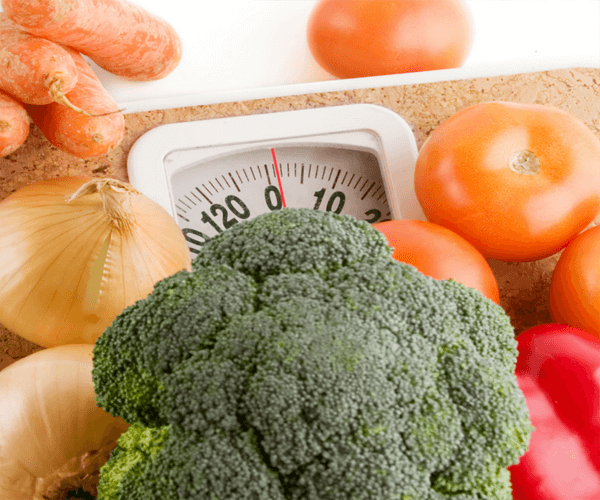
    There’s something in your bathroom right now that can be your best friend when it comes to getting your weight where you want it. No, it’s not a diet drug, it’s the bathroom scale and I’ll tell you how to properly use it. Where I live there’s a street where a lot of people get speeding tickets; it’s a residential area and the limit’s like 30 miles an hour. It’s really hard to gauge, so the cops grab people all day long. Recently they installed this electronic device that tells you how fast you’re going, so you start coming down Canoga Avenue and it’s at 38, 35, it’s like a reality check. You think you’re doing one thing, but you’re actually doing another, and when you get that feedback you can make a course correction. That brings me to the scale. The scale is really like that electronic speed meter on my street, it’s a reality check.

    A lot of people don’t want to use the scale, and here are the usual reasons; number one is tyranny, there are a lot of people who have had eating disorders for example and they just fear using the scale because it drives them crazy. They give it all this power, if the pounds go up they just freak out, so they just stay off the scale and they say, “I can tell how I’m doing by how my clothes fit.” I’m sorry to disillusion you, you really can’t. Whether you washed your clothes last night affects that and how much salt you ate the night before affects that. The second reason people give about not using the scale is that it doesn’t tell you anything about body composition and that is true. You want to know how much body fat you are losing, how much muscle you are gaining. There are other ways to measure it but that doesn’t mean that the scale provides no good information, it gives you important feedback about one dimension of your weight loss efforts. The trick is to use it in a healthy, productive way and not to give it too much power. The thing is not to let it tyrannize you or define you, or to think that it’s the ultimate arbiter of your health or your well-being or how sexy you are or how good you look or any of those things.

    I weigh myself every single day and I recommend you do the same thing. The trick to doing it properly is to do four things.

    1. Always use the same scale; it doesn’t matter if it’s 100% accurate, it just matters that it’s accurate from day to day.
    2. Always weigh yourself in the morning.
    3. Always weigh yourself naked
    4. Weigh yourself before you eat. That’s how you get a consistent measurement from day to day.

    I personally use what I call the four pound rule. If I get more than four pounds away from my goal, I go back to a different eating plan, like New You 22, or stage one of Atkins Diet to get my metabolism back on track. You never want to be that guy who has a high school reunion and all of a sudden he realizes, “Gee, I gained 25 pounds since I last put on this tux and I never noticed.” You want to be the guy that notices, so use the scale. Make it your friend, not your enemy; it can be a good tool to use to get your weight where you want it to be and to keep it there.




  • The Top Ten Ways to Cut Back on Sugar

    The Top Ten Ways to Cut Back on Sugar

    Tattoo this under your eyelids: Sugar turns to fat.

    Not only that, research in the past decade has implicated sugar in cancer, gout, diabetes, obesity, and heart disease.

    Sugar is inflammatory, and inflammation is now believed (correctly) to be at the heart of every degenerative disease we know of.

    And it’s no longer even possible to defend the idea that sugar isn’t a drug. It is—and an addictive one at that. (Maybe you’ve noticed.) A number of peer-reviewed studies have demonstrated the addictive nature of sugar—in one study, it was shown to be eight times more addictive than cocaine.

    What to do, what to do?

    Here’s a list of ten things you can do right now to cut back on sugar. It’s not a complete list, but it’s a good start. (If you’ve got your own favorite ways to cut back or eliminate, please share them with me!)

    1. Don’t add it to foods. This is the easiest and most basic way to immediately reduce the amount of sugar you’re eating. Biggest targets: cereal, coffee, and tea
    2. Don’t be fooled by “healthy sugar” disguises. Brown sugar, turbinado sugar, raw sugar, agave nectar, brown rice syrup—it’s all the same thing as far as your body is concerned. Don’t kid yourself.
    3. Reduce or eliminate processed carbohydrates. Most processed carbs—breads, bagels, pastas, snacks, crackers, cereals—are loaded with flour and other ingredients that convert to sugar in the body in a New York minute. That sugar gets stored as triglycerides, a fancy way of saying “fat”.
    4. Watch out for “fat-free” snacks. The whole “fat-free” concept is just stupid beyond words, but one of the many reasons it’s been so destructive to our health is that most fat-free snacks are loaded with sugar. Read the label. You’ll be disgusted.
    5. Shop for color. The more your grocery basket looks like a cornucopia of color, the better. It usually means you’re getting more fresh vegetables and low-glycemic fruits such as berries, cherries and apples.
    6. Become a food detective. My friend, nutritionist Ann Louise Gittleman, says that “to reduce sugar, you have to know where it is”. She’s right. Start reading labels!
    7. Beware of artificial sweeteners. Unfortunately, artificial sweeteners can increase cravings for sugar and carbohydrates. They can also deplete the body’s stores of chromium, a nutrient crucial for blood-sugar metabolism.
    8. Do the math. Look at the label where it says “total sugars” and divide the by four, since there are four grams of sugar per teaspoon. The number you wind up with is the number of teaspoons of sugar you’re ingesting, and that’s just “per serving”! Want a laugh? Read the “serving size”—most “servings” have nothing to do with what normal people eat. This exercise alone should scare the pants off you.
    9. Limit fruit and add more vegetables. (Notice I didn’t say ‘eliminate’ fruit, though those with the most amount of weight to lose might want to do just that—at least for a while.) Fruit has fiber and nutrients, but it’s also loaded with fructose. Don’t overdo it. For weight loss purposes, I’d keep fruit to two portions a day max, and make those low-glycemic (apples, cherries, berries, grapefruit).
    10. Dump the fruit juice. Whoever sold parents on the idea that apple juice is a healthy drink for kids should be sentenced to a lifetime of community service, preferably hauling vending machines out of our schools. Pure juice is a pure sugar hit, and there’s no place for it in the diet of your kids. There are benefits to unsweetened juices like pomegranate and cranberry, but dilute them with water and use intelligently.

    It may not be possible for you to completely eliminate sugar from your diet—and you may not even want to. But to the extent that you can, you’ll be doing yourself—and your health—a great service.

    For more information about how you can make a major impact on your health by removing sugar from your diet get New York Times Best Seller JJ Virgin’s new book, The Sugar Impact Diet. JJ will teach you:

    1. How we’ve been looking at sugar all wrong and how that’s affecting us.

    2. How to get rid of your cravings and take control over sugar in two weeks.

    3. What the heck should I eat? (How to clean out the fridge & pantry, what to do for breakfast & a sample shopping list!)

    CLICK HERE to claim your free cookbook!


  • Breaking Bad Habits: Three Easy Steps

    Breaking Bad Habits: Three Easy Steps

    Guest article by Karen Keller, PhD

    There are a number of things to quit: Smoking, overeating, fibbing, ignoring reality, gossiping, over-working … just to name a few.  When facing your bad habits, it’s your drive to succeed that keeps you from their clenches. It’s these bad habits that affect your satisfaction and fulfillment.

    You recognize your unhealthy habit but something compels you to stick with it.  What makes it hard to quit?  Well, habitual behavior changes the neuron activity patterns in your brain where habits are formed.  The good news is you can form new habits!  The bad news is when a stimulus, (calorie-laden chocolate cake) from the old days returns, the latent neuron pattern reestablishes itself – making you almost go on autopilot!

    Because the brain retains the ‘habit’ memory, it can be triggered if the right cues come back.  It takes 21 days to create a new habit.  In order to make that change it’s important to watch out for the triggers that encourage the old habits to return.  But there are 3 things you can do to erase those habits:

    1. Give yourself permission to ignore the bad habit.  You are quite capable of knowing when you are out of control, stuck or causing yourself a problem.  Leaving your decisions to another person, or trigger, only serves to dis-empower yourself resulting in low self esteem.  Empower yourself.  Set your course for making change.  Go for the 21 day challenge – invite a healthy habit into your life.
    2. Break out from your comfort zone.  Take a risk to stop avoiding risk – things that may be uncomfortable.  What opportunities are you missing by being afraid of venturing into the unknown?  Make a list of ten ‘bad-habit-breaking’ or ‘good-for-you’ things you have backed away from this past year.  Develop a plan to approach the top 3 on your list – vowing to successfully make your way through them.  Let yourself experience the unfamiliar, getting acquainted with your own sense of courage.
    3. Know when to leave good enough alone.  Leave that last bit of juicy gossip on the tip of your tongue.  Put aside the dessert menu.  And when you are hitting your head against the wall constantly trying for the next promotion, that seems to somehow land in everyone else’s lap, giving it all you have, and coming up empty handed, then it’s time to leave. The habit of accepting not being valued or appreciated falls under the umbrella of ‘bad habit.’  Exit with your head held high.  Knowing when to quit is the first step toward finding what’s worthy of your time and talent.

    Sometimes it’s not a bad thing to be a ‘quitter’.  The tough part is recognizing you’re committing a destructive behavior and then take that next crucial step to actually break the cycle and quit whatever habit is causing the self destruction.

    You CAN teach an old dog new tricks if you just take the time to unlearn an habitual behavior.

    Influence and persuasion expert, Karen Keller, Ph.D. is a clinical psychologist and Master Certified Coach with over 25 years of experience. She focuses on women’s leadership and empowerment as well as executive, personal, relationship and life coaching. Get a free subscription to her newsletter, “Influence It! Real Power for Women Now” at karen-keller.com

  • Trans Fat Free Foods? Don’t Believe the Label!

    Trans Fat Free Foods? Don’t Believe the Label!

    NEWSWISE:

    Did you know that when you pick up a product promoted as trans fat free, you may still be ingesting a significant amount of this potentially harmful substance? An article by Case Western Reserve University School of Medicine student Eric Brandt, published in the January/February 2011 issue of the American Journal of Health Promotion, reveals that misleading labeling practices can result in medically significant intake of harmful trans fat, despite what you read on Food and Drug Administration (FDA) approved labels. Indeed, consumers’ inability to identify high-risk foods may cause individuals to exceed the daily recommended value of 1.11 grams of trans fat from processed foods and lead to adverse long-term health side effects.

    Ingestion of trans fat is a known public health concern. Top national health organizations, such as the U.S. Department of Health and Human Services and American Heart Association, suggest trans fats be ingested in limited quantities. However, current FDA labeling protocol and policy prevents the public from accessing the true amount of trans fat contained in their food products.

    Current law requires that fat content of greater than five grams be listed in one gram increments, less than five grams be listed in .5 gram increments, and lower than .5 grams as containing zero grams of fat. Meaning, if a product has .49 grams of trans fat, the label can list the trans fat content as zero, thus masking a significant amount of trans fat that can exceed recommended limits and potentially lead to various adverse health effects.

    Trans fat consumption has been linked to increased risk of coronary artery disease, diabetes, and sudden cardiac death. Because the daily recommended amount of trans fat from processed foods is only 1.11 grams, one would only need to consume a few deceptively labeled trans fat foods to exceed the healthy recommended intake. As few as three deceptively labeled trans fat items would exceed the healthy recommended intake; for example, consuming three serving sizes each with .49 grams of trans fat, totaling 1.47 grams. Despite what seems to be a small amount of trans fat to ingest, research shows that increasing daily trans fat consumption from .9% to 2.1%, or from two grams to 4.67 grams, will increase one’s risk of cardiovascular disease by 30%.

    In an effort to adhere to its mission and responsibility in “helping the public get the accurate, science-based information they need to use medicines and foods to maintain and improve their health,” Brandt recommends the FDA revise its labeling protocol in order to prevent misleading the public about the amount of trans fat they are consuming. He recommends the FDA require food labels to report trans fat content in smaller increments, enabling consumers to recognize significant levels of trans fat in food products and allow one to properly manage their consumption. The suggested change will increase awareness of accurate food trans fat content, empower informed food choices, and improve public health outcomes.

  • Top Ten Ways to Jump-Start Weight Loss

    Top Ten Ways to Jump-Start Weight Loss

    These ten tips for jump-starting weight loss will serve you well!

    They are simple and easy to follow. Give them a try and watch what happens!

    1. Eat protein at every meal, including breakfast.
    2. Eliminate wheat– and flour-based products for the time being. And yes, that definitely includes bread and pasta.
    3. Eliminate “food products”. Ninety percent of what you eat should be food that could have been hunted, caught, gathered from the ground, plucked from a tree or grown
    4. Reduce starch. When you do eat starches, choose from “real” carbohydrates. Best choices are oatmeal, sweet potatoes, beans and legumes.
    5. Don’t eat unlimited amounts of fruit and be careful with the extra-sweet, extra-ripe variety. For now, keep fruits to two a day, and choose the low-sugar, high-fiber variety. Apples, grapefruits and especially berries all are good choices. For now, fruit should be eaten alone or with something light like nuts or a little cheese. Lose the fruit juice.
    6. Reduce or eliminate dairy for the time being, especially cow’s milk. Exceptions: reasonable amounts of cheese and occasional portions of yogurt, but not the fat-free kind (it contains way too much sugar).
    7. Try eliminating alcohol. You can always go back to moderate drinking later on if it works for you.
    8. Stop using vegetable oils such as sunflower, safflower and corn. The supermarket kinds are highly refined, and oxidize easily when heated, contributing to arterial plaque.
    9. Worry less about the amount of fat you eat and pay more attention to the kind of fat you eat. The worst are fried foods, margarine and foods that contain hydrogenized or partially hydrogenized oils. The best is omega-3, found in fish and flaxseed oil.
    10. Drink at least eight or more large glasses of pure water a day. Every day. No excuses.
    This is just one of the “Top 10 Lists” that is included with my Diet Boot Camp
  • 7 Quick Tips to Eat Smart After Dark

    7 Quick Tips to Eat Smart After Dark

    Late-night eating is one of the biggest challenges when it comes to weight loss. (Full disclosure: I have struggles with it myself.) One of the reasons I tend to recommend eating plans that are lower in carbohydrates is because so many high carb foods literally create their own cravings. Advertisers weren’t kidding when they invented the slogan, “Betcha can’t eat just one”. Foods high in processed carbs are literally engineered to goose your appetite centers; in addition, they stimulate insulin, also known as “the hunger hormone”. (Interestingly, insulin’s other “nickname” is “the fat storage hormone”. Get my drift?)

    I asked my good friend VP of Nutrition and Education at Atkins Nutritionals Colette Heimowitz, M.Sc, to provide a few quick tips on how to eat smart after dark. Here’s what she offered:

    • Prevent Late-Night Eating Altogether: Eat low-carb meals throughout the day to keep blood sugar steady, thereby reducing cravings and the temptation to nosh on high-carb items like chips or cookies at night.
    • Crunch Away: If you must snack at night choose crunchy, low-carb foods such as macadamia nuts or celery sticks filled with cream cheese or almond butter. The crunchiness gets your mouth moving, which helps make snacks more satisfying.
    • No Containers on the Couch: Don’t take the food container to the couch. Instead, place your portion on a small plate and bring it with you. That way you’ll eat less and can keep better track of what you’re ingesting.
    • Drink Up: Instead of eating, have something to drink. Hot beverages can help you cut your appetite. Try a mug of herbal tea sweetened with sucralose or stevia, low-carb hot cocoa or some chicken or beef broth. Or for something cool and creamy, have an Atkins Advantage shake. (Note: You can also make a low-calorie, low-carb, satisfying shake at home out of protein powder, with or without berries added for texture and flavor.)
    • Keep Your Hands & Mind Busy: Instead of munching in front of the TV, keep your hands occupied and your mind sharp by picking up an engaging pastime, like knitting or making a scrapbook. You can even do the daily crossword puzzle during the ads.

    A lifestyle that wards off late-night cravings, the Atkins Nutritional Approach includes a wide variety of whole foods including lean protein, vegetables, fruits and whole grains to keep you satiated longer. The plan eliminates the simple sugars and simple carbohydrates that cause blood sugar to spike.

    Dr. Jonny comments: I’ve always felt that Atkins got a terrible rap and was unfairly portrayed in the conventional media as the doctor who told you to eat pork rinds. Luckily, a great deal of research in the past decade has validated much of what he had to say.

    My Diet Boot Camp program uses many concepts originated by Atkins, Barry Sears, Michael and Mary Dan Eades and others who realized early on that the greatest danger to our health and our waistline was not coming from fat but from ridiculously high amounts of processed carbohydrates. Learn more about my Diet Boot Camp.