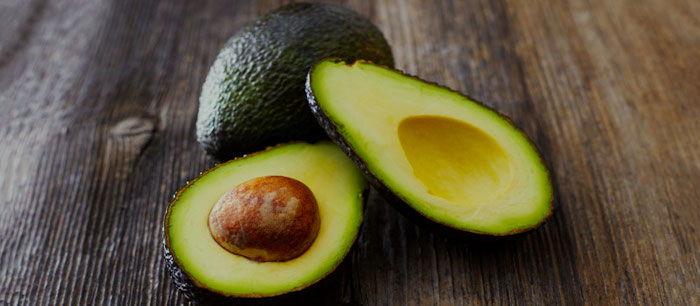
Tag: healthy fats

  • SMART FAT: The Book.

    SMART FAT: The Book.

    If you work at Whole Foods, sooner or later someone is going to ask you about Smart Fat. And I, for one, think that’s a very good sign.

    My book, Smart Fat: Eat More Fat, Lose More Weight, Get Healthy Now (co-authored with Steven Masley, MD) is about to drop (January, Harper Collins), and soon we’ll be seeing a virtual tsunami of books capitalizing on the term. Already, one famous nutritionist is re-publishing an older book that advocated for higher fat diets and has put “Smart Fat” prominently on the cover of the new edition. Another A-list nutritionist we know of is rushing to get his high-fat book out quickly, and there are sure to be more to follow. The concept of Smart Fat has arrived, and I want you to learn what Smart Fat means, right now, right from the horse’s mouth.
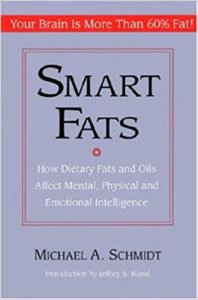
    Full disclosure: Sometime after our book went to press, an old physician friend of mine sent me a link to a long out-of-print book called Smart Fats that had indeed been published years ago, but that neither Dr. Masley nor myself had ever heard of that book when we wrote—and titled—our new book. So for all intents and purposes, we invented the term Smart Fat for modern times, and I’m actually glad that so many distinguished writers and nutritionists are picking up on it because, as you’ll soon see, it’s a very useful term to have.

    See, at one time in the not so distant past, we all believed that fat was bad and that low-fat diets were the key to health. Then, we slowly realized that not all fat was bad. Some fats—for example, fish oil and olive oil—seemed to be really healthy. So, we modified our old-fashioned demonization of fat in general, and came up with the notion of “good fat” (i.e., vegetable oils) and “bad fat” (i.e., trans fat and animal products).

    Well, that was then. This is now.

    You could, I suppose, think of the notion of “smart” fat as a much-needed update to the old, outdated notion of “good fat” and “bad fat.” The new way of looking at fat still recognizes that some fat is “good” and some is “bad,” but those categories are defined very differently.

    It doesn’t matter whether a fat comes from an animal or a vegetable. The only thing that makes a fat “good” or “bad” is whether or not it’s toxic. Toxic fat is bad—regardless of its origins. Some of the worst fats are the ones we’ve been told are terrific for us, and some of the best fats may turn out to be precisely the ones we were wrongly told to stay away from.

    Let me explain.

    In any sentient being—humans, animals—toxins are stored in adipose tissue (i.e., the fat cells). Fat cells are storage central for any toxin that gets into the body and doesn’t get excreted. When you raise cows on a factory farms—also known as CAFOs (Concentrated Animal Feeding Operations)—here’s what happens. The cows are fed massive amounts of antibiotics to fatten them up and to keep them from getting sick due to their poor diet and crowded conditions. They’re fed steroids and hormones (like bovine growth hormone). They eat grain—an unnatural diet for ruminants—and it’s grain that’s been sprayed with every kind of pesticide and chemical you can imagine.

    And guess what? All of that stuff winds up in the fat of the animals. And on your plate. And in your body.

    The fat of those animals is a toxic waste dump. And it has absolutely nothing to do with whether it’s saturated or not—(about half the fat in beef is actually monounsaturated)—and it has nothing to do with whether or not it came from an animal.

    I live in Southern California and we’ve had a couple of E. coli scares, traceable to contaminated spinach. But no one in their right mind thinks spinach is a “dangerous” food—everyone understands that a particular crop was contaminated by outside sources. The contaminated spinach was recalled, end of story, everyone can eat spinach and no one thinks it’s bad for you.

    Yet the situation with toxic fat is exactly like the situation with spinach. Animal products aren’t bad for you because they’re animal products, any more than spinach is bad for you because it’s a vegetable. Animal products, just like vegetables, are only bad for you when the animals are contaminated. Which is exactly what they are when they’re raised on feedlot, factory farms—and this goes for chickens and pigs as well as for beef.

    The fat from grass-fed animals, however, is a whole different story. Grass-fed animals—and pasteured pork, and free-range chickens—are raised on their natural diet. Cows are free to roam on pasture and chew on grass. They don’t eat an unnatural diet of grain. Chickens peck at bugs and worms and insects (good sources of omega-3). They’re not fed antibiotics. They aren’t fed hormones. Their fat is higher in omega-3 and lower in inflammatory omega-6. When I order grass-fed beef from Whole Foods or a farmer’s market, I never ask for the lean kind, because there’s no reason to. There’s nothing toxic in that fat at all.

    Our book divides fat into three categories—Smart, Neutral and Toxic. Toxic fat is fat from animals that have been raised on feedlot farms. Toxic fat is man-made trans fat. Toxic fat is damaged fat—like canola oil that’s been used and re-heated many times at a fast food restaurant. And—although vegetable oil per se is not necessarily toxic, most of it is highly processed and refined, very high in inflammatory omega-6, and, in the quantities we consume it, not very good for us. (Contrary to the old definition, vegetable oil isn’t always good fat, and definitely isn’t “smart” fat!) Saturated fat, on the other hand, is completely neutral when it comes to promoting heart disease. And in some cases—like coconut oil or Malaysian palm oil—saturated fat actually has some benefits.

    When we made the bone-headedly stupid mistake of banishing fat from our diets, we lost one of the best sources of energy on the planet, and replaced it with sugar which is at the heart of every major epidemic that has a nutritional component (diabetes, obesity, Alzheimer’s, heart disease, fatty liver disease). We removed sources of calories with significant health benefits (i.e. fish, olive oil, nuts, avocados, grass-fed beef, free-range chicken, eggs, whole-fat yogurt, coconut oil, Malaysian palm oil) all in the hopes of attaining some elusive health and weight benefits believed to accrue to a low-fat diet.

    It hasn’t worked out very well.

    My hope is that our book is a harbinger of a whole new way of thinking about fat. Fat is our friend. It helps balance our hormones. It keeps our brain healthy. It provides amazing energy. It keeps us full. It’s vital for absorbing critical vitamins  (A, D, E and K) and other nutrients (carotenoids).

    The old way of thinking—“good” fat= vegetable oil, “bad” fat= animal products—is woefully out of date. It’s about time we started looking at fat as something which- -when used the right way—has the potential to transform our health for the better.

    Combined with the right amount of flavor, plenty of fiber, and liberal use of anti-inflammatory and antioxidant spices, the Smart Fat eating plan is one that has the power to change your life.

    Posted on WholeFoods Magazine Online,

    By Jonny Bowden, PhD, CNS aka “The Nutrition Myth Buster”™

  • Fatty Foods Are Mood Enhancers

    Fatty Foods Are Mood Enhancers

    the following is a guest article by health journalist Craig Weatherby, research director at Vital Choice, where you can buy the finest wild salmon in the world.

    Fatty Foods Boost Mood

    New findings support the idea that fatty foods can elevate your mood … with obvious implications for efforts to maintain a healthy weight.

    But the news has a silver lining, in that it suggests that if people are made aware of this, they could make healthier choices among fatty foods.

    That is, they could pick fatty foods that satiate them faster than empty-calorie junk foods, while delivering nutrients (like omega-3s) that tend to improve metabolism and overall health.

    For example, if someone seeks a fatty food to boost their mood, it’s smarter to pick some nutrient-dense salmon, tuna, or sardines – rich in omega-3s, vitamin D, and filling protein – rather than a slice of sugary cheesecake.

    Dutch study finds that fat acts like a mood drug

    Researchers from the Netherlands’ University of Leuven recruited 12 healthy, non-obese people for their novel experiment.

    The participants were placed in functional Magnetic Resonance Imaging (fMRI) scanning machines to monitor brain activity as they viewed images of people with sad expressions and listened to one-minute clips of somber classical music.

    To test the effects of dietary fat on mood, the participants were then hooked up to gastric feeding tubes that pass through the mouth into the stomach. (Feeding tubes were used so that participants could not use any senses to tell what they were being given.)

    Half of the group was tube-fed lauric acid – a rather healthful saturated fat found in human, cow, goat, and coconut milks – while the other half received a saline solution.

    During the 40 minute testing period, participants were asked to rate their levels of hunger, fullness, and mood at four different times.

    Those who received the fatty liquid reported feeling about half as sad as those who had received the saline solution (placebo), but there was no difference in hunger or fullness.

    And the fMRI scans showed that the participants who received the fatty liquid showed less activity in the areas of the brain associated with feelings of sadness.

    Findings hold practical implications

    As the researchers noted, it’s been shown that emotions affect the hunger signals that the stomach sends to the brain, and influence our food choices … what we eat and how much.

    These findings shed light on the role that mood plays in influencing food choices … and may alert people to the hidden emotional enticements of fatty junk food.

    Prior research shows that unhelpful brain responses to food persist in obese people even after they lose substantial weight, making it hard to keep pounds off. (We deal with the issue of brain responses and re-conditioning at length in our brand new program, “Unleash Your Thin“, coming out soon!)

    However, if an overweight person becomes aware that they use fatty foods to boost mood, they can at least make better choices!

  • CLA: A Trans-fat That’s Actually Good for You!

    CLA: A Trans-fat That’s Actually Good for You!

    The following is a guest article courtesy of our good friends at “The Natural Health Sherpa

    We’ve heard of good carbs and bad carbs. And we’ve definitely heard about good fats and bad fats. And we all know that trans fats are the worst fats of all. Or are they?

    Turns out, there are also good and bad trans fats. Or, more specifically, one good trans fat. Oh yes, it’s most definitely true.

    Unlike most of the trans fats we hear about that lead to heart disease, type-2 diabetes, and obesity, this trans fat has the exact opposite effect. It has been shown to help promote weight loss and even protect us against cancer.

    Let’s take a closer look at this miracle trans fat. What is it? How is it different from its more villainous relatives? And, more importantly, does the research support the claims?

    And The Good Trans Fat Is…

    Conjugated linoleic acid, or CLA, is the surprising trans fat we are talking about.

    Cows and other cud-chewing animals such as sheep, goats, and deer have a special bacteria in their stomachs that convert linoleic acid (a type of fatty acid) into CLA.

    Thus, when we eat the food products of these animals, as the meat itself or dairy products, we ingest CLA through our diet.

    In other words, nature is creating this particular fatty acid and we consume it by consuming the animal or its milk.

    This is completely different than the more common trans fats, which tend to be man-made. Unlike the cow or sheep using bacteria to convert linoleic acid into CLA, someone in a laboratory is taking otherwise healthy oils and hydrogenating them into trans fats.

    The end result is hydrogenated or partially hydrogenated oils. Or, in more direct terms, margarine, candy bars, snack foods, and French fries. Basically any junk foods and fried delicacies.

    This is a far cry from a naturally occurring trans fat like CLA.

    But can this trans fat actually be good for you? Many researchers would say yes.

    How It Works…

    Advocates of conjugated linoleic acid (CLA) claim that the nutrient helps to reduce body fat, increase lean muscle mass, and lose weight. Moreover, they claim that conjugated linoleic acid helps you transform your love handles into a six-pack by increasing your fat-burning capabilities.

    While this may or may not be accurate, the truth is, no one knows exactly how conjugated linoleic acid works. However, researchers do hypothesize that it works on several pathways.

    We know that adequate amounts of CLA are needed to convert dietary fat to energy. Therefore, it appears to decrease the amount of fat stored after eating, increase the rate of fat breakdown in fat cells, and decrease the total number of fat cells.

    But rather than guessing and supposing, let’s see what the research actually says.

    Exploring the Research…

    Much of the positive research surrounding conjugated linoleic acid includes animal studies, specifically mice. In the first study(1), male mice were divided into four groups:

    1. high-fat diet only

    2. high-fat diet with CLA

    3. low-fat diet

    4. low-fat diet with CLA

    Researchers discovered that, regardless of diet, the mice that received the conjugated linoleic acid had a significant reduction in body fat (ranging from 43 to 88 percent), most of which was in the abdominal area. (Most of us could use that, no?) They also hypothesized that the reason for the reduction was due to, in part, increased metabolic rate and decreased appetite.

    A second mouse study (2) looked at conjugated linoleic acid dosage. Researchers gave five groups of mice differing dosages of CLA for 39 days. They found that those mice taking the three largest dosages had significantly less body weight than the control group. They also found that those mice taking the conjugated linoleic acid had increased the muscle mass as well.

    But What About in Humans?

    Now don’t get us wrong; animal studies can be both interesting and promising. However, they do raise the question as to whether CLA works equally well in humans., and the answers appear to be mixed.

    A 2000 study from the Journal of Nutrition (3) indicates that it does. Here, the researchers performed a randomized, double-blind, placebo-controlled study (the “gold standard” in research) with 60 overweight or obese participants. They were divided into five groups, with one group receiving a placebo and the others receiving a range of daily conjugated linoleic acid dosages (1.7 g, 3.4 g, 5.1 g, or 6.8 g).

    After 12 weeks, those who took 3.4 grams per day and 6.8 grams per day enjoyed body fat reductions as compared to the other groups, including the 5.1 gram group. The researchers did not provide a hypothesis for why this occurred.

    Does this seem odd, that the highest and second lowest doses were effective but not the middle dose? We thought so too and would love to see the study repeated with just those three doses. If the results are the same, it would be nice to have the researchers at least attempt to hypothesize why.

    Separately, a 2003 double-blind, placebo-controlled study, also from the Journal of Nutrition(4), supports CLA’s ability to reduce body fat. Researchers divided 21 adults with type-2 diabetes into two groups. The first group was given a placebo and the second group was given a conjugated linoleic acid supplement.

    After eight weeks, 82 percent of those taking the CLA saw a reduction in their fasting glucose levels, while only 20 percent of the placebo group had a reduction in their glucose levels. Additionally, those in the conjugated linoleic acid supplement group lost an average of 3.5 pounds, while those on the placebo neither gained nor lost weight. Plus, those taking the CLA also had a reduction in their levels of leptin, a hormone associated with both weight gain and fat storage.

    Is the Celebration Well-Founded?

    While all of these studies appear to lean in favor of conjugated linoleic acid truly demonstrating an ability to aid in weight loss and fat reduction, there are a few concerns.

    The animal studies speak for themselves, in that they are just that: animal studies. So they are not necessarily reflective of how the nutrient performs in humans.

    As for the human studies, while they do employ the gold standard research protocol, they both have a fairly low number of participants, as well as a relatively brief study duration (12 weeks and 8 weeks respectively). And, according to a 2006 study from the American Journal of Clinical Nutrition (5), the short duration of the studies may be a flaw.

    In that study, 122 obese individuals were monitored for a full year. Half of the group took 3.4 grams of CLA a day, while the second group took a placebo. At the end of the year, there was no significant difference in either body weight or body fat between the two groups.

    Hmmm. This does raise a question about the effectiveness of conjugated linoleic acid. However, while this study was also double-blind and placebo-controlled, there are two possible critiques that could be raised.

    First, it did employ a slightly lesser dosage of conjugated linoleic acid (3.4g). Also, it did not discount that conjugated linoleic acid works in the short-term (as the other studies found).

    What the study does show is that, when diet and exercise are equal, long-term CLA use was not statistically significant.

    But Wait, There’s More…

    In addition to possibly reducing body weight and body fat, conjugated linoleic acid has also been associated with reducing tumor growth and development of breast cancer in animals(6). Conjugated linoleic acid supplementation has also been associated with increased immune function.

    In fact, in the American Journal of Clinical Nutrition study that found the nutrient was not associated with weight loss or body fat reduction when taken for a year, it was found that those taking CLA had a significant increase in their leukocyte count, also known as white blood cells, which is commonly associated with a strong immune system.

    Fortunately, the only adverse side effects associated with conjugated linoleic acid are occasional upset stomach and diarrhea. Which side effect would you rather deal with…possible bellyache and diarrhea or a stronger immune system and possible weight loss? That seems to be a no-brainer.

    What To Make of All This…

    Overall, the research surrounding CLA as a healthy trans fat does appear to be accurate. It clearly helps to reduce both weight and body fat, at least when taken over a two- to three-month period of time. And its cancer and immune properties are promising in the least!

    If you do decide to include conjugated linoleic acid in your health regimen, your best bet is to follow Hippocrates’ advice and “let food be your medicine.” As we indicated early on, grass-fed beef and dairy products from grass-fed cows are rich in conjugated linoleic acid.

    And remember, the key is “grass-fed.” In fact, a study from the Journal of Dairy Sciences (7) found that cows that are grass-fed, pasture-raised had twice as much conjugated linoleic acid in their milk fat than those cows that were fed a conventional, grain-based diet. You simply will not receive the same CLA benefits from conventionally raised, corn-fed, toxic cattle.

    Because it would be next to impossible (and probably ill-advised) to eat the amount of beef and dairy products that you would need to reach the therapeutic doses of CLA, you may need to augment your diet with a conjugated linoleic acid supplement. However, like all things in life, not all CLA is the same.

    Much of the research has been done using a form of conjugated linoleic acid called Tonalin. Therefore, should you chose to use a CLA supplement, you may want to chose a product that contains the Tonalin form. And, based on the research, you’ll want to take at least 3.5 grams a day.

    There are several companies that have been licensed to market Tonalin. Look for a manufacturer that uses good manufacturing practices (GMP) for the product and be sure you can find all ingredients contained in the product before purchasing.

    If you chose to use a conjugated linoleic acid that is not Tonalin, be sure to research their particular form of the nutrient. Is it safe? Has it been through clinical trials?

    Finally, be sure the product you choose is free of preservatives, fillers, binders, excipients, flow agents, shellacs, coloring agents, gluten, yeast, lactose, and other allergens. Ideally you’ll also be able to find independent analysis done by a third party to verify the active ingredients and identify any contaminants.

    As you can see, all foods—not even all trans fats—are the same. Keep questioning, asking questions, and seeking answers. Being an informed consumer is the best way to protect your health. And if you find surprising solutions like CLA along the way, all the better!

    References:

    1West, DB, et al. “Effects of conjugated linoleic acid on body fat and energy metabolism in the mouse.” Am J Physiol. 1998 Sep;275(3 Pt 2);R667-72.

    2DeLany, JP, et al. “Conjugated linoleic acid rapidly reduces body fat content in mice without affecting energy intake.” Am J Physiol. 1999;276(4 Pt 2):R1172-9).

    3Blankson, H, et al. “Conjugated linoleic acid reduces body fat mass in overweight and obese humans. J Nutr. 2000;130(12):2943-8.

    4Belury, MA, et al. “The conjugated linoleic acid (CLA) isomer, t10c12-CLA, is inversely associated with changes in body weight and serum leptin in subjects with type 2 diabetes mellitus.” J Nutr. 2003;133(1):257S-60S.

    5Larsen, TM, et al. “Conjugated linoleic acid supplementation for 1 y does not prevent weight or body fat regain.” Am J Clin Nutr. 2006 Mar;83(3):606-12.

    6Visonneau, S, et al. “Conjugated linoleic acid suppresses the growth of human breast adenocarcinoma cells in SCID mice. Anticancer Res. 1997;17(2A):969-73.

    7Kelly, ML, et al. “Effect of intake of pasture on concentrations of conjugated linoleic acid in milk of lactating cows.” J Dairy Sci. 1998 Jun;81(6):1630-6.