Tag: diet

  • Why I Hate the New Dietary Guidelines, Part Two

    Why I Hate the New Dietary Guidelines, Part Two

    Last month I told you why I think it’s very hard to take the USDA dietary guidelines very seriously. In fact, I think the whole notion of looking to the government for guidelines on eating is ludicrous. Here’s why:

    The USDA (which publishes the dietary guidelines) has two mandates, and those two mandates are in direct opposition.

    On the one hand, the USDA is charged with providing Americans with good, objective information on health and eating. On the other hand it’s also charged with promoting US agriculture and increasing the demand for its products.

    The government recommendations are suspect simply because there’s a built-in conflict of interest. (Would you trust the tobacco industry to write guidelines on smoking?) The USDA will never tell us to eat less of the very foods they’re supposed to promote—– corn, wheat, soy and sugar, and therein lies the rub. In addition, the guidelines are strongly influenced by the massive lobbying efforts of industries whose bottom line are deeply affected by those guidelines—Big Food, the dairy industry and the meat industry. Even though the “system” is rigged, we can still look at the results and see what they got right, and what they got wrong.

    One of the main things the system continue to get wrong is fat.

    The dietary guidelines—as well as the “conventional” wisdom—warns us against saturated fat, telling us to consume as little as possible while at the same time encouraging us to consume lots of plant based fats like corn oil. Wrong, wrong, and wrong again.

    We now know from at least two major meta-analyses published in serious, peer-reviewed journals like the American Journal of Clinical Nutrition and the Annals of Internal Medicine, that saturated fat does not cause heart disease.

    Let me repeat that, since it goes against everything you and I have been taught for the past fifty years or so.

    Saturated fat does not cause heart disease. It also does not “clog your arteries”.

    While it may raise cholesterol, when you look under the hood you find that it actually raises LDL-a cholesterol (harmless) while lowering LDL-b cholesterol (not harmless). It also raises HDL cholesterol (which is generally a good thing). So the notion that you have to avoid saturated fat to prevent heart attacks is just… well, wrong.

    Equally wrong is the notion that you should consume as much vegetable fat as possible. Vegetable oils are loaded with omega-6 fats, just as fish oil (and flax) are loaded with omega-3’s. You actually need both, but we need them to be in the right proportion (ideally somewhere between 1:1 and 4:1). The omega-6 fats are pro-inflammatory while the omega-3s are anti-inflammatory. When they’re wildly out of proportion, you’re setting yourself up for inflammation, the major promoter of every degenerative disease we know of. Corn oil, soybean oil, canola oil, safflower oil, and all the rest of the high omega-6 oils are found in every processed food in the grocery store. As a result, we now consume 16 times more omega-6 than omega-3. No wonder we’re walking inflammation factories!

    In our new book, “Smart Fat”, Dr. Steven Masley and I argue that the most important thing to know about fat is whether or not it’s toxic!

    When you raise cattle on huge factory farms, feeding them pesticide-sprayed grain, shooting them up with antibiotics, steroids and hormones, then yes, their fat is indeed toxic. But it’s not toxic because it’s saturated, it’s toxic because it’s been contaminated!

    When cattle are raised on their natural diet of pasture—i.e. “grass-fed” beef—it’s a whole different story. The fat from grass-fed beef is perfectly fine and not toxic at all.

    As long as the guidelines continue to communicate the notion that all animal fats are bad and all “vegetable” fats are good, the guidelines will continue to be woefully out of date. Worse, they will continue to promote over-consumption of the very foods we should be cutting back on (like vegetable oil and processed carbs) while promoting under-consumption of perfectly healthy (or, at the very least, neutral) fats like the fat from grass-fed beef, coconut oil and Malaysian palm oil.

    There’s at least one thing the dietary guidelines got right, though.

    We should eat a lot of vegetables and fruits.

    But we didn’t need the US government to tell us that. We could have just asked our grandmothers.

    By Jonny Bowden, PhD, CNS aka “The Nutrition Myth Buster”™

    Jonny Bowden, PhD, CNS, also known as “The Nutrition Myth Buster” ™ is a nationally known board-certified nutritionist and expert on diet and weight loss. He has appeared on the Dr. Oz Show, Fox News, CNN, MSNBC, ABC, NBC, and CBS and has contributed to articles in The New York Times, Forbes, The Daily Beast, The Huffington Post, Vanity Fair Online, Men’s Heath, Prevention, and dozens of other print and online publications. He is the best-selling author of 15 books, including The Great Cholesterol Myth (co-authored with Stephen Sinatra, MD). His latest, co-authored with Steven Masley, MD, is Smart Fat: Eat More Fat, Lose More Weight, Get Healthy Now! (Harper One, 2016)
  • The Mediterranean Diet vs. The Smart Fat Program

    The Mediterranean Diet vs. The Smart Fat Program

    A lot of people have asked me a really interesting question: How does the Smart Fat Program differ from the Mediterranean Diet? While there are some areas of overlap, such as the emphasis on eating lots of Omega-3s, fruits and vegetables, there are several main differences that can allow one to easily distinguish between the two dietary approaches.


    Pic-10To start, the Mediterranean Diet is a pattern of eating, rather than a strict food protocol. Some dishes may incorporate lots of fish and olive oil, while others are heavy on the grains, whereas some eat strictly fruits, nuts and vegetables. The Smart Fat Program, on the other hand, is very regimented: Five servings of smart fat a day, five servings of clean protein a Day, ten servings of fiber every day. Subscribers to the Mediterranean Diet tend to stay away from meat, regardless of the source. This is another point where the Smart Fat Program veers in its own unique direction.
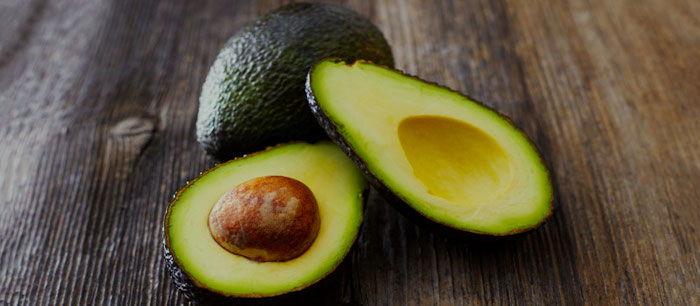
     

    Major proponents of the Mediterranean Diet typically refer to Animal Fats as unhealthy and Vegetable Oils and Vegetable Fats as healthy. The Smart Fat Program draws the line between good & bad fats based on only one thing: Whether or not the fat is toxic. Fat is toxic if it comes from animals that have been on feedlot farms, or fed antibiotics, steroids, bovine growth hormones, or even raised on a grain diet. The Smart Fat Program does encourage eating plenty of fish, but also meat when it is grass-fed, organic and not teeming with toxins. To be clear, toxic fat has nothing to do with whether or not the fat is saturated and unsaturated.


    The third major distinction is grains, which are fairly prominent in the Mediterranean Diet and extremely limited on the Smart Fat Program. Even Whole Grains raise your blood sugar, can be very inflammatory, and many contain gluten, which can lead to Leaky Gut that can furthermore result in a chain reaction of health problems. While we do have some grains in limited amounts on the Smart Fat Program, it is not a grain-based diet by any means.


    Those are the basic distinctions between the Mediterranean Diet and the Smart Fat Program. There are some similarities between the two, but each has its own unique place. One can think of them as “friendly cousins” that have their like-attributes, but in the end are quite different.


    By Jonny Bowden, PhD, CNS aka “The Nutrition Myth Buster”™

    Jonny Bowden, PhD, CNS, also known as “The Nutrition Myth Buster” ™ is a nationally known board-certified nutritionist and expert on diet and weight loss. He has appeared on the Dr. Oz Show, Fox News, CNN, MSNBC, ABC, NBC, and CBS and has contributed to articles in The New York Times, Forbes, The Daily Beast, The Huffington Post, Vanity Fair Online, Men’s Heath, Prevention, and dozens of other print and online publications. He is the best-selling author of 15 books, including The Great Cholesterol Myth (co-authored with Stephen Sinatra, MD). His latest, co-authored with Steven Masley, MD, is Smart Fat: Eat More Fat, Lose More Weight, Get Healthy Now! (Harper One, 2016)

  • SMART FAT: The Book.

    SMART FAT: The Book.

    If you work at Whole Foods, sooner or later someone is going to ask you about Smart Fat. And I, for one, think that’s a very good sign.

    My book, Smart Fat: Eat More Fat, Lose More Weight, Get Healthy Now (co-authored with Steven Masley, MD) is about to drop (January, Harper Collins), and soon we’ll be seeing a virtual tsunami of books capitalizing on the term. Already, one famous nutritionist is re-publishing an older book that advocated for higher fat diets and has put “Smart Fat” prominently on the cover of the new edition. Another A-list nutritionist we know of is rushing to get his high-fat book out quickly, and there are sure to be more to follow. The concept of Smart Fat has arrived, and I want you to learn what Smart Fat means, right now, right from the horse’s mouth.

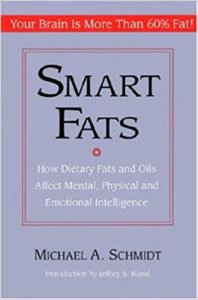
    Full disclosure: Sometime after our book went to press, an old physician friend of mine sent me a link to a long out-of-print book called Smart Fats that had indeed been published years ago, but that neither Dr. Masley nor myself had ever heard of that book when we wrote—and titled—our new book. So for all intents and purposes, we invented the term Smart Fat for modern times, and I’m actually glad that so many distinguished writers and nutritionists are picking up on it because, as you’ll soon see, it’s a very useful term to have.
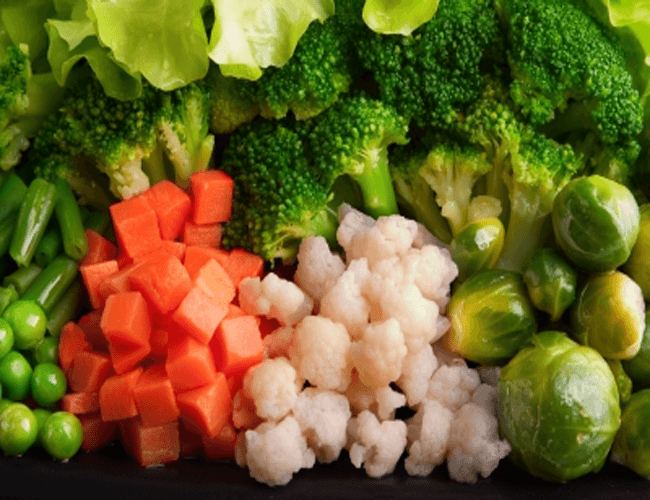
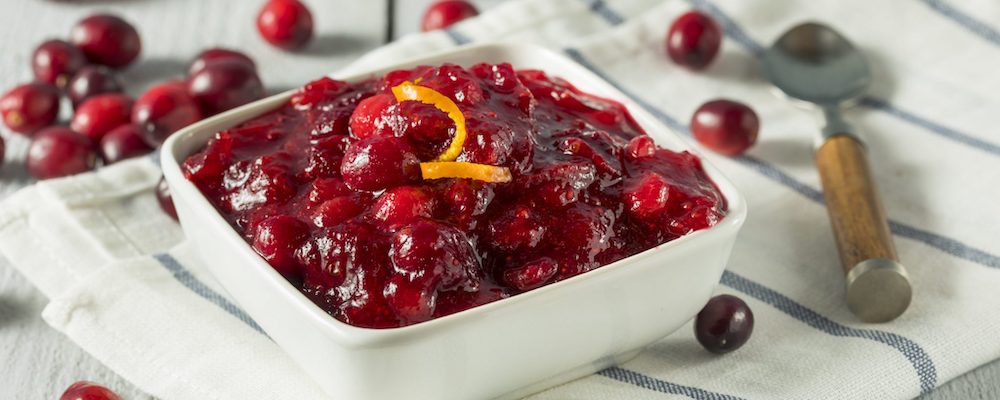
    See, at one time in the not so distant past, we all believed that fat was bad and that low-fat diets were the key to health. Then, we slowly realized that not all fat was bad. Some fats—for example, fish oil and olive oil—seemed to be really healthy. So, we modified our old-fashioned demonization of fat in general, and came up with the notion of “good fat” (i.e., vegetable oils) and “bad fat” (i.e., trans fat and animal products).

    Well, that was then. This is now.

    You could, I suppose, think of the notion of “smart” fat as a much-needed update to the old, outdated notion of “good fat” and “bad fat.” The new way of looking at fat still recognizes that some fat is “good” and some is “bad,” but those categories are defined very differently.

    It doesn’t matter whether a fat comes from an animal or a vegetable. The only thing that makes a fat “good” or “bad” is whether or not it’s toxic. Toxic fat is bad—regardless of its origins. Some of the worst fats are the ones we’ve been told are terrific for us, and some of the best fats may turn out to be precisely the ones we were wrongly told to stay away from.

    Let me explain.

    In any sentient being—humans, animals—toxins are stored in adipose tissue (i.e., the fat cells). Fat cells are storage central for any toxin that gets into the body and doesn’t get excreted. When you raise cows on a factory farms—also known as CAFOs (Concentrated Animal Feeding Operations)—here’s what happens. The cows are fed massive amounts of antibiotics to fatten them up and to keep them from getting sick due to their poor diet and crowded conditions. They’re fed steroids and hormones (like bovine growth hormone). They eat grain—an unnatural diet for ruminants—and it’s grain that’s been sprayed with every kind of pesticide and chemical you can imagine.

    And guess what? All of that stuff winds up in the fat of the animals. And on your plate. And in your body.

    The fat of those animals is a toxic waste dump. And it has absolutely nothing to do with whether it’s saturated or not—(about half the fat in beef is actually monounsaturated)—and it has nothing to do with whether or not it came from an animal.

    I live in Southern California and we’ve had a couple of E. coli scares, traceable to contaminated spinach. But no one in their right mind thinks spinach is a “dangerous” food—everyone understands that a particular crop was contaminated by outside sources. The contaminated spinach was recalled, end of story, everyone can eat spinach and no one thinks it’s bad for you.

    Yet the situation with toxic fat is exactly like the situation with spinach. Animal products aren’t bad for you because they’re animal products, any more than spinach is bad for you because it’s a vegetable. Animal products, just like vegetables, are only bad for you when the animals are contaminated. Which is exactly what they are when they’re raised on feedlot, factory farms—and this goes for chickens and pigs as well as for beef.

    The fat from grass-fed animals, however, is a whole different story. Grass-fed animals—and pasteured pork, and free-range chickens—are raised on their natural diet. Cows are free to roam on pasture and chew on grass. They don’t eat an unnatural diet of grain. Chickens peck at bugs and worms and insects (good sources of omega-3). They’re not fed antibiotics. They aren’t fed hormones. Their fat is higher in omega-3 and lower in inflammatory omega-6. When I order grass-fed beef from Whole Foods or a farmer’s market, I never ask for the lean kind, because there’s no reason to. There’s nothing toxic in that fat at all.

    Our book divides fat into three categories—Smart, Neutral and Toxic. Toxic fat is fat from animals that have been raised on feedlot farms. Toxic fat is man-made trans fat. Toxic fat is damaged fat—like canola oil that’s been used and re-heated many times at a fast food restaurant. And—although vegetable oil per se is not necessarily toxic, most of it is highly processed and refined, very high in inflammatory omega-6, and, in the quantities we consume it, not very good for us. (Contrary to the old definition, vegetable oil isn’t always good fat, and definitely isn’t “smart” fat!) Saturated fat, on the other hand, is completely neutral when it comes to promoting heart disease. And in some cases—like coconut oil or Malaysian palm oil—saturated fat actually has some benefits.

    When we made the bone-headedly stupid mistake of banishing fat from our diets, we lost one of the best sources of energy on the planet, and replaced it with sugar which is at the heart of every major epidemic that has a nutritional component (diabetes, obesity, Alzheimer’s, heart disease, fatty liver disease). We removed sources of calories with significant health benefits (i.e. fish, olive oil, nuts, avocados, grass-fed beef, free-range chicken, eggs, whole-fat yogurt, coconut oil, Malaysian palm oil) all in the hopes of attaining some elusive health and weight benefits believed to accrue to a low-fat diet.

    It hasn’t worked out very well.

    My hope is that our book is a harbinger of a whole new way of thinking about fat. Fat is our friend. It helps balance our hormones. It keeps our brain healthy. It provides amazing energy. It keeps us full. It’s vital for absorbing critical vitamins  (A, D, E and K) and other nutrients (carotenoids).

    The old way of thinking—“good” fat= vegetable oil, “bad” fat= animal products—is woefully out of date. It’s about time we started looking at fat as something which- -when used the right way—has the potential to transform our health for the better.

    Combined with the right amount of flavor, plenty of fiber, and liberal use of anti-inflammatory and antioxidant spices, the Smart Fat eating plan is one that has the power to change your life.

    Posted on WholeFoods Magazine Online,

    By Jonny Bowden, PhD, CNS aka “The Nutrition Myth Buster”™

  • Carrots, Squash, Peas and Watermelon –Are They Misunderstood by the Low-Carb Crowd?

    Carrots, Squash, Peas and Watermelon –Are They Misunderstood by the Low-Carb Crowd?


    ID-100199480
    Image courtesy of FreeDigitalPhotos.netDo you fear eating bananas? It sounds silly, but how many low carb diets have told you that you have to stay away from certain foods, like bananas or starchy vegetables like squash? I’m going to tell you why that’s not necessarily true. We first have to understand the difference between the glycemic index and the glycemic load.

    Both are measurements of a foods effect on your blood sugar. Here’s the fine print, glycemic index is based on a fifty gram portion of carbohydrate. By the way, that’s what we call net carbohydrates, or total carbs minus fiber, because fiber doesn’t have any impact on blood sugar. So, if it was twenty grams of carbs and ten of them were fiber, you’re looking at ten grams of carbohydrates. What’s left there, that carbohydrate content, is what actually impacts your blood sugar.

    The glycemic index looks at what happens to your blood sugar when you eat a fifty gram portion of net carbs of any given food. The problem is it’s a very arbitrary amount. To get fifty grams of net carbs with a carrot, you’d have to eat a bushel. While fifty grams of net carbs might be a very high amount for carrots, it’s a tiny amount when you’re eating pasta at the Olive Garden, which is much more likely to have two hundred grams of net carbs per oversized portion. That’s where the glycemic load comes in; it takes into account how much of the carb food you’re actually going to be eating. That’s a critical difference. Here’s an example, let’s say East African Saffron is three hundred dollars a pound. Wow, that’s a lot of money, right? Except that your recipe only calls for a half teaspoon, which is going to cost you eighty cents. Glycemic index is like the three hundred dollar per pound price, but glycemic load is what you’re going to pay at the checkout line.

    Now, go back to carrots. If you look at the real life portion of carrots, the actual glycemic load is tiny. Glycemic load is what we should be looking at, because it reflects real life portions. Knowing that, let’s look at some of the forbidden foods and see what they really do to blood sugar. Get ready to be surprised. For reference, glycemic load of zero to ten is considered low, ten to twenty is considered medium and anything over twenty is considered high. Let’s start with squash: four ounces, a nice size portion, is only a four. One cup of chopped summer squash has a glycemic load of two. How about bananas? A lot depends on their size and their ripeness. The larger bananas get up there in the eleven to twelve range, that’s still the low end of the medium range. Here’s one that’s going to kill you, watermelon. If you had a whole cup of watermelon balls that’s a glycemic load of three. Now, if you ate the whole fifteen inch melon, the glycemic load is off the charts, it’s ninety three. The moral of the story is, don’t eat the whole melon!

    Peas are a really interesting case. We’re always told to, “Lay off the peas, lay off the carrots.” A whole cup of peas has a glycemic load of nine. It’s approaching middle territory, but it’s safely within the low zone and has nine grams of fiber. Compare that to bread. Like the great nutritionist, C. Leigh Broadhurst, once told me, “No one ever became diabetic by eating peas and carrots.” The point is not to stuff yourself with sweet foods. Some foods that have a really crummy reputation among the low carb crew, really don’t deserve that reputation. You can eat some of them, if you watch the portions, without knocking your blood sugar out of whack.


  • Three Great Holiday Recipes

    Three Great Holiday Recipes

    [et_pb_section fb_built=”1″ _builder_version=”3.22″ _i=”0″ _address=”0″][et_pb_row _builder_version=”3.25″ background_size=”initial” background_position=”top_left” background_repeat=”repeat” _i=”0″ _address=”0.0″][et_pb_column type=”4_4″ _builder_version=”3.25″ custom_padding=”|||” _i=”0″ _address=”0.0.0″ custom_padding__hover=”|||”][et_pb_text _builder_version=”3.0.74″ background_size=”initial” background_position=”top_left” background_repeat=”repeat” _i=”0″ _address=”0.0.0.0″]

    The following three recipes are from Jeanette Bessinger, the Clean Food Coach, www.thecleanfoodcoach.com.

    Autumnal Antioxidants: Cranberry-Orange Relish

    This tangy orange-cranberry relish is made with fresh cranberries, not canned, and less than half the sugar of conventional canned relish. You may not realize it, but cranberries are one of the healthiest foods on earth. They have one of the highest antioxidant ratings, and are loaded with plant compounds known as flavonoids, which may reduce the risk of atherosclerosis. Emerging research also indicates that they may help protect brain cells. In any case, they taste great, and this fabulous relish is a perfect complement to the heady, herb-infused turkey!

    • 4 cups (440g) fresh cranberries, or 2 8-oz (225-g) bags frozen/unsweetened, thawed and rinsed
    • 2 oranges, peeled and halved
    • ½ cup (230 g) raw honey, or more or less to taste (or palm sugar)

    In a blender or food processor, blend together the cranberries, oranges and honey until a juicy relish is formed.

    Yield: 12 to 14 servings

    Notes from Chef Jeannette:

    Cranberries are not only delicious and nutritious, but also beautiful. If you wish to serve a canapé or cheese platter during a holiday gathering, fill your serving platter with a bag of fresh cranberries and place the food items on the top –lovely!


    Holiday Waldorf Salad

    Adapted from The Healthiest Meals on Earth: The Surprising Unbiased Truth about What Meals to Eat and Why by Dr. Jonny Bowden and Jeannette Bessinger for Fair Winds Press.

    Ingredients

    • 1/3 cup plain Greek yogurt
    • 3 tablespoons fresh squeezed orange juice
    • Juice from 3 tablespoons grated ginger root
    • 1 tablespoon raw honey or coconut nectar, or to taste
    • ¼ teaspoon powdered ginger, optional
    • 2 small crisp red apples (such as Macoun or Pink Lady), cored and chopped into small pieces (about 2 cups)
    • 4 celery stalks, thinly sliced
    • ½ cup purple seedless grapes, cut in half, optional
    • ¼ cup dried cranberries, cherries or chopped figs or dates
    • 1/2 cup lightly toasted walnuts or caramelized almond slices, coarsely chopped
    • 8 cups chopped hearts of Romaine

    In a small bowl, whisk together the yogurt, honey, orange juice and gingers. Set aside.

    In a salad bowl, combine all remaining ingredients through Romaine.

    Pour dressing over the salad and toss together to coat.

    Yield: 6-8 Servings

    Notes from Chef Jeannette:

    Replacing conventional mayonnaise with high protein, pastured, organic Greek yogurt transforms this timeless dish into a healthy classic.


    Easy Spiced Pumpkin Pie

    By Jeannette Bessinger, the Clean Food Coach, www.thecleanfoodcoach.com

    After years of baking pumpkin pies I’ve simplified a formula for a delicious, no-bake version that is grain-free, dairy-free, speedy and easy to make, even for non-bakers like me! This is sort of an interactive recipe because you need to decide what your priorities are –i.e. are you looking for the highest protein and lowest glycemic load? Try the tofu and Orange NuStevia combination. Don’t eat soy? Go with the avocado for the binder (it will not set as firmly as the soy). Looking for something a little sweeter and more traditionally flavored? Use canned pumpkin and pure maple syrup. You can even put the filling into a traditional baked flour crust – it’s still going to be a much healthier pie than any conventional option. Experiment a bit to hit the sweet level you enjoy and make it your own, tailored to your personal tastes and dietary goals.

    Crust Option #1

    • 2 cups macadamia nuts (raw or roasted)
    • 2 tablespoons finely grated fresh ginger
    • Pinch salt


    Crust Option #2

    • 2 scant cups walnuts
    • 1/3 cup fresh pitted Medjool dates (soak for 15 minutes if they are not soft and fresh)
    • 1½ teaspoons pumpkin pie spice
    • Pinch salt

    Filling

    • 2 cups fresh-cooked pumpkin * (or sweet winter squash, such as kabocha), drained if runny
    • 1/3 cup pure maple syrup or ½ cup rice syrup
    • 1 12.3-ounce package firm silken tofu or 2/3 cup lightly mashed ripe hass avocado
    • 1 teaspoon vanilla extract
    • 1½ teaspoons cinnamon
    • 1½ teaspoons ginger
    • ¼ teaspoon cloves
    • ¼ teaspoon allspice
    • Pinch salt

    Instructions

    To make the crust, combine all the crust ingredients from either option 1 or option 2 in a food processor. Slowly pulse and process, turning the mix over occasionally for even processing, until it looks like fine crumbs and holds together well when you pinch it between your fingers. If it’s under-processed it will not stick together, but if it’s over-processed, it will turn into an oily nut butter.

    When the consistency is right, transfer contents into a 9-inch pie plate and press evenly into the bottom and up the sides of the plate, scalloping around the edges with your thumbs, if desired. Place the crust in the freezer to help it set while you prepare the filling.

    To make the filling, combine the pumpkin, sweetener, spices and salt in a food processor and process until smooth and well-mixed. Add the tofu or avocado and process until completely incorporated (it takes a little longer for the tofu, and a little less time for the avocado). Spoon the filling into the crust and refrigerate for two hours to set completely. You can serve the pie at room temp, but it will be very soft.

    Yield: 8 servings

    Notes from the Clean Food Coach:

    *To cook a sugar pumpkin (or any large winter squash), simply cut it in half and remove stem and seeds. Cut each half into quarters (or eighths if the pumpkin is more than a few pounds) and cook on low in a slow cooker for 6-8 hours or until tender. Scoop out the flesh for use and discard the skins. Puree the cooked flesh in a food processor and drain in a double mesh sieve for at least 30 minutes if runny.

    You can also use high quality organic cooked pumpkin, but it will taste a bit blander than fresh-cooked –consider adding another half teaspoon of ground ginger or cinnamon to the filling.

    [/et_pb_text][/et_pb_column][/et_pb_row][/et_pb_section]
  • Free Range Citrus-Stuffed Herbed Turkey

    Free Range Citrus-Stuffed Herbed Turkey

    The following is from The 150 Healthiest Comfort Foods on Earth by Dr. Jonny Bowden and Jeannette Bessinger for Fair Winds Press.


    From Dr. Jonny: The holidays don’t have to be a time when you stop eating healthy; you can still enjoy many of the fabulous comforting offerings the season provides in abundance. Here’s a tremendous and traditional holiday meal for you that won’t feel you leaving one bit deprived. The turkey and cranberry-orange sauce are borrowed from The Healthiest Meals on Earth—one of our most popular recipes but the dressing is all new. It’s a remake of a comfort food staple which, although classic, is usually a high-glycemic, low-nutrient affair that can wreak havoc with your waistline. Our version is way better and just as tasty.


    Free Range Citrus-Stuffed Herbed Turkey

    We made the turkey “sans gravy” and stuffed it with a flavor-rich combo of herbs and citrus for a juicy and aromatic bird. (Free-range turkey only, please! You don’t need the added hormones and steroids!) Traditionally, this type of a whole-bird preparation calls for at least one stick of butter, but we reduced it and mixed it with olive oil, giving you a nice mix of heart-healthy fat and valuable olive phenols. (To get all the “good stuff,” use extra-virgin olive oil.) Fun fact: contrary to popular opinion, most of the fat in butter is actually monounsaturated fat, the same healthy fat found in olive oil!


    To Brine:

    • 1 18–20 lb turkey (free-range, not self-basting)

    You will need 2 to 3 gallons of brining solution for an 18–20 lb turkey.

    Per gallon of water, add:

    • 1 cup salt
    • ½ cup raw honey
    • 2 teaspoons finely grated lemon peel, optional
    • 2 teaspoons grated orange peel, optional
    • ½ tablespoon cardamom pods, optional
    • 1 teaspoon dried thyme, optional


    To Prepare the Turkey for Roasting:

    • 8 sprigs each of fresh rosemary (young and tender, not woody), sage and thyme, (1¼ to 1½ cups total when coarsely chopped)*
    • 2 shallots
    • 1 whole head garlic
    • 1 lemon
    • 1 orange
    • ½ stick butter, softened
    • 2 tablespoons olive oil
    • Salt and pepper, to taste
    • 1/2 cup sherry


    Starting with 2 gallons of water, mix the brining solution (salt through thyme) in the correct proportions, stirring until the salt and honey are dissolved. Rinse the turkey and pat it dry. Place the turkey in a lobster pot or large stockpot. Pour the brining solution to cover the turkey completely. Place turkey in the fridge for 12 to 24 hours. Remove, rinse very well under running water and dry thoroughly, including cavity. If you want crisper skin, brine and rinse the day before and place it, breast side up and uncovered in the basting pan in the fridge overnight to allow excess moisture to evaporate.

    Preheat oven to 400°F.

    Stem and coarsely chop the herbs, setting aside about ¾ (about 2/3 to 1 cup of herbs) of the total. Mince the remaining fourth (about ½ cup) of the herb mixture and put into a medium bowl.

    Peel the shallots and garlic. Cut shallots in half, crush garlic cloves, and add to herbs. Quarter but do not peel the lemon and orange and squeeze them gently to make a little juice, tossing fruit and juice together with other ingredients in the bowl.

    Using your hands, mix softened butter with olive oil in a small bowl until creamy.
    Moving carefully so as not to puncture the skin, work your hand between the turkey skin and the breast as far as you can go to create a pocket over both breasts. Smear half of the butter/olive oil mixture over the breasts, covering as much meat as you can reach.
    Place half of the reserved, coarsely chopped herbs in each pocket (on top of each breast). Do this carefully, and when complete, gently reshape (from the outside) the herb “pouches” above each breast to look rounded and smooth. Salt and pepper the inside of both cavities and stuff with fruit and herbs mixture. Tuck the wings behind the back, tuck the skin folds over the cavities to close, and truss the legs. Smear the entire bird with remaining butter/olive oil mixture, salt and pepper. Slowly pour sherry inside of the breast pockets, working it around to the leg joints.

    Place V rack inside of roasting pan and cover with foil.** Poke about 15 holes into the foil. Bake on V rack, breast side down, for 45 minutes then reduce oven temp to
    325°F. Turn bird breast side up, baste (can supplement juices with a few tablespoons of sherry if you wish), cover with tinfoil and continue to cook for about 2½ to 3 hours more, depending on the size of your bird. Remove the tinfoil to brown the breast and continue to cook for another 30 to 40 minutes, or until the thickest part of the breast and innermost parts of thighs and wings register at least 165°F on meat thermometer. When turkey is done, legs should roll loosely on the joint and the leg juices should run clear. Let rest on cutting board for about 20 minutes before carving.


    Yield: On birds more than 12 pounds, allow ½ to 3/4 lb per person, so an 18-pound turkey can serve between 24 and 36 people.


    Notes from Chef Jeannette:

    *If you are working with a large bird (that will take a longer cooking time) or desire a milder herb flavoring, use the whole stems (without chopping) under the skin. Just remove the large pieces when the cooking is complete and use as a garnish.

    **If you don’t own a V rack, try using 2 miniature loaf pans (4 or 5” by 3”), face down and set on either side of your roasting pan (in the middle, lengthwise). If using the loaf pans, no need for tinfoil.

  • Delicious Ways to Enjoy Vegetable Juicing for Weight Loss

    Delicious Ways to Enjoy Vegetable Juicing for Weight Loss

    The following is from Jonny Bowden’s New You In 22.

    Delicious Ways to Enjoy Vegetable Juicing for Weight Loss


    Many heath experts, myself included,  are advocates of vegetable juicing for weight loss, and will easily recommend vegetable juices as part of an effective weight loss plan.

    The thing is most people are not fond of vegetables. If you are one of these people, here are delicious ways to enjoy vegetable juices and benefit from their weight loss abilities.

    Gourmet Green Drink

    Contrary to common belief, green drinks are actually delicious. You can choose from any or a combination of the following for your green drink recipe:

    • Wheatgrass
    • Barley grass
    • Magma
    • Broccoli
    • Spinach
    • Kale
    • Parsley
    • Other green leafy vegetables

    Drinking your greens make vegetable consumption more palatable for fussy eaters or for those who are not fond of veggies. This is one delicious way to meet your recommended vegetable servings for weight loss.

    Some of the remarkable benefits you can get from your green drink are the following:

    1. Excellent source of nutrients that will allow you to stay healthy while dropping the pounds fast.
    2. Purifies your blood and removes the toxins from your body. Toxic substances interfere with the functions of your body systems resulting in poor health condition including excessive weight.
    3. Promotes overall health condition, and increases your energy levels to do all the activities you plan to do throughout the day.

    Smoothie Your Greens

    One of the more effective ways to lose weight healthily is to drink protein shakes for breakfast. You can create your own drink by juicing your green vegetables. For variety, you can create succulent green smoothies that will give you the following benefits:

    • Your body receives plant-based protein. In many ways, plant-based protein is healthier than animal-based protein. Veggies contain chlorophyll rich in alkaline.This will restore the good balance between alkaline-acid in your body, considering that the American diet today is highly acidic. The good balance of acid-alkaline is essential in weight management.
    • Vegetables are an excellent source of fiber. WebMD, in fact, recommends the consumption of fiber-rich food for weight loss. Health experts say that dietary fiber has that power to fill your stomach without the risks of storing unnecessary fats in the body.In a study that monitors the big weight losers, most of these individuals are habitual breakfast eaters with fiber-rich food as part of their staple meals.
    • Juicing your veggies makes it easier for your body to absorb the nutrients. As soon as the smoothie touches your mouth, digestion and abruption of nutrients begin.

    Vegetable juicing for weight loss will turn green veggies into an appetizing beverage that adults and kids will both love. According to Dr. Jonny Bowden, juicing is at its best when you use green vegetables as ingredients.

    Easy Recipes

    Here are three vegetable juice recipes that are easy to prepare and will deliver weight loss benefits to your body:

    Raw Chlorophyll Juice – Just combine all the ingredients below into your juicer:

    • Spinach
      Dandelion greens
      Parsley

    You may want to add the following fruits for flavor: apples and grapes.

    Easy Green Juice – extract the juice from the following ingredients:

    • 3 stalks of celery
    • About 10 pieces of lettuce leaves
    • 1 ½ green apple

    Kale Cool Aid Juice – juice the following ingredients and combine the extract together. Serve with ice.

    • About 5 pieces of kale leaves
    • 2 large cucumbers
    • 1 piece green apple
    • 1 piece of lemon, peeled
    • Thumb-sized ginger, peeled
    • 2 ribs of celery

    Tips for Juicing Your Veggies

    There is no doubt to the health power of vegetables. Using veggies as your ingredients to create weight loss juices can be as refreshing and as delicious as natural fruit juices by following these tips:

    1. Add apples or carrots to your recipes, as they are natural sweeteners. These two are also able to break the bitter taste of some vegetables.
    2. Prefer to juice fresh vegetables (also fruits), and as much as possible choose organic. Fresh organic veggies are superior in nutritional and health value.
    3. Your choice of juicer also matters. If you wish to maximize the weight loss and other health benefits of juicing your veggies, choose a good quality juicer.
    4. Mix and match your veggies, and include some fruits to your recipes. The trick is to create varied delicious-tasting recipes. The web has all the resources you need to help you.

    Start to benefit from your vegetable juice right now and enjoy the healthy results!


  • Giving Thanks Roasted Veggie Soup

    Giving Thanks Roasted Veggie Soup

    Untitled-2

    The following is a recipe from Kimberly Aguilar, the second winner in our Healthy Holiday Recipe Contest.


    Giving Thanks Roasted Veggie Soup

    When the weather turns chilly my family loves a warm cup-o-soup. I accidentally discovered this soup when I had some leftover veggie kabobs and some leftover turkey broth. While it works with any type of broth my family loves this soup made with turkey broth.

    Ingredients

    1 Zucchini cut into 3/8” slices
    1 Cucumber cut into 3/8” slices
    1 Red Bell Pepper cut into 1” pieces
    1 Small Red Onion wedge cut into 1” pieces
    2 Celery sticks cut into 1” pieces
    ½ lb whole Mushrooms
    1 c. Broccoli flowerets
    3-4 Roma Tomatoes (roast whole then cut)
    2 Tbsp Olive Oil
    1 Tbsp Fajita Seasoning
    3 Cups Turkey broth (can substitute chicken)
    4 Pop & Cook flavor Cubes – [1 frozen cube of each flavor: Garlic, Cilantro, Basil, Mild Chili]
    Sea Salt to taste
    Kabob Skewers

    Instructions

    1. Preheat oven to 425* F. and then foil line 2 sheet pans. This makes cleanup much easier.

    2. Wash the vegetables then slice/cut into bite size pieces. Place veggies on one sheet pan and then drizzle with olive oil and sprinkle on the seasoning. Rub to coat evenly and then sprinkle on the Fajita Season. Coat as evenly as possible.

    4. Place the Veggies on the kabob skewers (don’t overcrowd) and place the kabobs on the second sheet pan. Bake the kabobs for 20-22 minutes to get the fire/oven roasted look. Do not over bake as you want the veggies slightly crisp and not soft or burnt. Remove when done and let cool slightly.

    5. While Veggies are roasting, start pepping the broth. Pour broth into a stock pan. Heat on low/med heat. Now add all of the Pop and Cook Cubes Heat thoroughly. Bring to a boil then reduce heat and simmer. Cover.

    6. After veggies slightly cool, cut them into bit size pieces and add to broth. Simmer 5 more minutes then turn off the heat and let rest 2 minutes covered. Season with the sea salt to taste. Serve and enjoy.

    Untitled

    Serving size: 1 cup

    Makes: 6-8 servings

    This is a great appetizer on Thanksgiving day or a light meal any day.

  • Gluten Sensitivity Without Celiac Disease: Is It A Fad?

    Gluten Sensitivity Without Celiac Disease: Is It A Fad?

    The following is a guest blog from my friend, Dr. Tom O’Bryan, specialist in the complications of Non-Celiac Gluten Sensitivity and Celiac Disease.


    THE MYTH: Gluten Sensitivity without Celiac Disease is a Fad

    THE TRUTH: Non-celiac gluten sensitivity (NCGS) is not only real, but experts also tell us it is the most common (and nonrecognized) condition in the family of gluten-related disorders

    Recently, there has been a great deal of Internet chatter that gluten sensitivity, without celiac disease, is a fad and does not exist. This viral gobbletygook ramped up after a blogger commented on a study published in 2013 entitled ‘No effects of gluten in patients with self-reported non-celiac gluten sensitivity after dietary reduction of fermentable, poorly absorbed, short-chain carbohydrates’.

    First let’s address this study. The title itself would suggest that gluten has no effect on people who ‘report’ being gluten sensitive. So if you don’t read the study and just read the title, it is understandable how a simple mind could conceive that gluten has no effect on the body. But the reality is that the researchers were looking at people with irritable bowel syndrome (IBS).

    If there ever was an example of ‘cherry picking’ the data, this is a classic.

    – the authors omitted 60% of the potential participants from the study because they carried a DQ2 or DQ8 gene, historically considered the celiac genes. However, roughly 35-40% of NCGS sufferers carry one or two of these genes with negative evidence of CD. Thus a significant number of subjects were omitted who may have demonstrated NCGS.

    – another critical issue is the authors omitted anyone with increased inflammation markers in their intestines (Marsh 1). Previous studies have demonstrated that ‘a substantial number of patients (about 40%) with NCGS will demonstrate a Marsh 1 level of inflammation’. Thus another significant number of subjects were omitted who may have demonstrated NCGS.

    – the patients included in this study were not complaining of NCGS, since they lacked the typical symptoms of this syndrome, represented by headache, joint/muscle pain, numbness, skin rash, dermatitis, depression, foggy mind and so on. The only extraintestinal manifestations were fatigue and sleep abnormalities, so it is difficult to regard these subjects as suffering from NCGS.

    – 7% of the study subjects DID respond to eliminating the gluten proteins from their food, yet the authors chose to say ‘No Effect of Gluten….

    – 37% of the patients in their study DID have an elevated immune reaction (antibodies) to the gliadin peptide of gluten. This clearly suggests a sensitivity to the protein with the immune system response. The authors not only ignored this finding, they constructed a new definition of NCGS compared to the definition they used in their earlier paper. In 2011, they wrote ‘NCGS has been defined as those without celiac disease but whose gastrointestinal symptoms improve on a gluten-free diet (GFD) and they included those patients with an immune reaction and elevated antibodies to gliadin.

    In 2013 they acknowledged that they’ve changed their minds and are rewriting the definition of NCGS to one that does not include an immune reaction. “We have difficulty with the suggestion that patients with evidence of immune activation in the duodenum should be included in a study of non-celiac gluten sensitivity (NCGS). (Our) definition of NCGS encompasses the exclusion of both celiac disease and immune responses to wheat proteins”. How convenient.

    Surprisingly, the authors have published a new study and reversed their definition once again. In ‘Non-celiac gluten sensitivity: literature review’ they discovered that GI symptoms may not respond as quickly as other symptoms (brain fog, depression, etc…) to gluten withdrawal, and they now recognize antibodies to gliadin as a biomarker of NCGS. “Short-term exposure to gluten specifically induced current feelings of depression. Gluten-specific induction of gastrointestinal symptoms was not identified. Such findings might explain why patients with noncoeliac gluten sensitivity feel better on a gluten-free diet despite the continuation of gastrointestinal symptoms”.

    And they reinserted anti-gliadin antibodies as a biomarker of NCGS ‘Recent evidence shows that a positive test for immunoglobulin G (IgG) antigliadinn antibodies could be useful to identify NCGS patients’ and they demonstrate that. These are the same authors who last year said elevated antigliadin antibodies, an immune response should not be included in the scope of NCGS.

    GLUTEN-RELATED DISORDERS IRREFUTABLY EXIST.

    Two newly published papers put this question to rest.

    In the first, Non-celiac gluten sensitivity: literature review.

    ‘It has been demonstrated that patients suffering from NCGS are a heterogeneous group, composed of several subgroups, each characterized by different pathogenesis, clinical history, and, probably, clinical course. NCGS diagnosis can be reached only by excluding celiac disease and wheat allergy. Recent evidence shows that a personal history of food allergy in infancy, coexistent atopy, positive for immunoglobulin G (IgG) antigliadin antibodies and flow cytometric basophil activation test, with wheat and duodenal and/or ileum-colon intraepithelial and lamina propria eosinophil counts, could be useful to identify NCGS patients’.

    And then, along comes the GrandFather study. The Big Kahuna that asks and then answers the question about NCGS. Entitled ‘An Italian prospective multicenter survey on patients suspected of having non-celiac gluten sensitivity’, this study was performed in 38 Italian centers (all recognized as referral centers of the Italian Health Ministry for the diagnosis of gluten-related disorders). Of these 38 centers, 27 were centers of adult gastroenterology, 5 of internal medicine, 4 of pediatrics, and 2 of allergy. In total, 12,255 consecutively observed patients were clinically evaluated by the investigators, and underwent thorough diagnostic investigation, including blood tests and invasive procedures (when needed) in order to confirm or exclude NCGS and celiac disease.

    During the 12 months of the prospective survey, the 38 participating centers (of which only 4 were pediatric centers) identified 486 patients with NCGS. The large majority of patients reported more than two associated gastrointestinal or extraintestinal symptoms. Of the gastrointestinal symptoms, the most frequent were bloating and abdominal pain, found in 87% and in 83%, respectively, of the patients with suspected NCGS. More than 50% of patients reported diarrhea, with the number of evacuations per day ranging from 3 to 10, while 27% had alternating bowel habits and 24% had constipation. After bloating and abdominal pain, epigastric pain was the most frequent symptom, being found in 52% of patients, followed with decreasing prevalence by nausea, aerophagia, gastroesophageal
    reflux disease, and aphthous stomatitis. The most frequent extraintestinal manifestations were tiredness and lack of well being, reported by 64% and 68%, respectively, of the enrolled subjects. In addition, a high prevalence of neuropsychiatric symptoms including headache (54%), anxiety (39%), ‘foggy mind’ (38%), and arm/leg numbness (32%) were recorded. Other extraintestinal manifestations emerging from the analysis of the survey responses were joint/muscle pain resembling fibromyalgia (31%), weight loss (25%), anemia (due both to iron deficiency and low folic acid; 22%), depression (18%), dermatitis (18%) and skin rash (29%).

    CONCLUSION

    NCGS is a clinical entity with intestinal and extra-intestinal symptoms abounding. As much as we may wish we could ignore the findings, NCGS is real and can manifest in any tissue of the body.

  • From A to C Cream of Coconut and Butternut Soup

    From A to C Cream of Coconut and Butternut Soup

    The following is from The Most Effective Ways to Live Longer Cookbook by Dr. Jonny Bowden, Ph.D., C.N.S. and Jeannette Lee Bessinger, C.H.H.C., published by Fair Winds Press (2010)

    From Dr. Jonny: A great recipe for building the immune system. The red peppers are loaded with vitamin C, the butternut squash is full of vitamin A, and the coconut oil is an antimicrobial. The soup is rich and warming with a surprisingly fresh “bite” from the lime and cilantro. I especially love the way Chef Jeanette has made the recipe customizable for protein and fat content.


    Ingredients

    1 tablespoon coconut oil (or unflavored vegetable oil)
    1 large sweet onion, diced
    3 large cloves garlic, minced
    3 tablespoons minced ginger root
    1 teaspoon salt
    2 ½ teaspoons ground cumin
    1 tablespoon coriander
    ¼ teaspoon cayenne
    1 red bell pepper, seeded and diced
    1 ½ pounds butternut squash, peeled, seeded and cubed (about 1 large squash)
    4 cups vegetable broth
    1 can (13.5 oz) of coconut milk*
    Juice of 1 lime
    1 bunch fresh cilantro, chopped

    *You can customize this soup for fat and protein content, if desired. Use full-fat coconut milk for the richest soup. If you prefer lower fat and higher protein, use low-fat coconut milk and add one 12.3 ounce block of firm silken tofu. Drain the tofu and puree in a blender until smooth and creamy. Add to the pureed soup and cook for 10 minutes before adding the lime and cilantro.


    Instructions

    In a heavy-bottom soup pot, heat the oil over medium heat. Saute the onion until soft but not burned, about 7 minutes. Add the garlic, ginger, salt, cumin, coriander and cayenne, stirring to combine well. Saute for about 3 minutes. Add the broth and coconut milk, increase the heat to high, and bring the soup to a boil. Reduce the heat to a low simmer, cover and cook for 20 to 25 minutes or until all vegetables are very tender.

    Remove from the heat and puree the soup with an immersion blender until very smooth.

    Return the soup to the burner and heat on low for 5 minutes. Remove the heat and stir in the lime and cilantro.

    Yield: about 8 cups

    Per Serving: 338 Calories; 19g Fat (47% calories from fat), 7g Protein; 41g Carbohydrates; 6.2 g Dietary Fiber; 1.7mg Cholesterol; 1493mg Sodium.