Category: Cholesterol & Heart Health

  • High Blood Pressure: The Silent Killer

    The thing about high blood pressure is that at least 25% of folks who have it don’t know they have it.

    It flies under the radar. No pain, no symptoms, (though it’s often been quipped that the first symptom of high blood pressure is a heart attack). About one out of three adults in the US has it. And high blood pressure (or hypertension) is responsible for over 56,000 deaths a year in the US alone.

    How to Protect Yourself

    Pretty much everything I know of value about hypertension I learned from Dr. Mark Houston, as did most of the nutritionists and doctors with whom I’ve trained. He’s an associate clinical professor of medicine at Vanderbilt University School of Medicine and director of the Hypertension Institute in Nashville.

    “People concentrate on sodium restriction”, explains Houston, “but it’s equally important to look at the ratio of sodium to potassium in the diet”.

    These two minerals have a symbiotic relationship, and that the balance of the two is critical to good health. Unfortunately the American diet is woefully high in sodium and typically low in both potassium as well as magnesium, another mineral important for regulating blood pressure. “Even if you had a very high sodium intake, you could negate some of the negative impact of that sodium by having a high intake of potassium and magnesium”, explained Dr. Houston.

    The Institute of Medicine now recommends that adults consume at least 4700 mg of potassium a day to lower blood pressure and blunt the effects of salt.

    Foods high in potassium include:

    • Swiss chard
    • bananas
    • spinach
    • grapefruit juice
    • dried apricots
    • yams and sweet potatoes
    • avocados
    • cantaloupe

    “I give my patients a specially modified version of the DASH diet that I believe is the best diet possible for people with hypertension,” Houston told me. “The main change is to increase the amount of protein, vegetables, and ‘good’ fats consumed every day, while decreasing the grains, fruits, and dairy products. It’s much lower in refined carbohydrates, and has a lower glycemic index and glycemic load. Otherwise it’s the same great, pressure-reducing program that’s helped so many.

    And what about supplements? Glad you asked.

    Co-Enzyme Q10

    CoQ10 is widely given in Europe and Japan to millions of people suffering from cardiovascular disease. People with essential hypertension are more likely to have a CoQ10 deficiency than those without hypertension. It’s been an approved treatment for congestive heart failure in Japan since 1974, and Dr. Houston considers it one of the best natural treatments for high blood pressure.

    I recommend: Q-Avail Nano »

    Magnesium

    Large population studies have shown that the more magnesium people take in, the lower their blood pressures. Virtually every survey has shown that most Americans don’t even get the paltry amount of magnesium in the RDAs.

    I recommend: Magnesium Glycinate Chelate »

    Whey Protein

    Whey protein is a natural ACE iInhibitor, in addition to being a superb source of high- quality, absorbable protein. ACE inhibitors, short for angiotensin-converting enzyme inhibitors, help reduce blood pressure by interfering with an enzyme that causes the constriction of muscles surrounding the arteries to constrict, thus raising blood pressure. “Hydrolyized whey protein lowers blood pressure,” says Dr. Houston.

    I recommend: PaleoMeal Whey Protein »

    Vitamin D

    “Vitamin D is very important in BP control due to an effect on a hormone call renin, that controls blood pressure.  If Vitamin D is low, renin is increased and this in turn causes the arteries to constrict and increase the blood pressure,” says Houston. (He generally recommends 5000 IUs a day, or whatever amount is needed to bring blood levels up to 60 ng/ml.)

    I recommend: Vitamin D Supreme »

    Omega-3 Fatty Acids

    “They increase nitric oxide- a substance that opens up blood vessels—and they improve the elasticity of the arteries”. Use about 2 grams daily.

    I recommend: Ultra EPA-DHA »

    Resveratrol

    “Resveratrol also increases nitric oxide, lowers arterial stiffness and slows vascular aging”, Houston told me. Recommended: 250 mg per day (of trans-resveratrol, the active ingredient in resveratrol supplements). My favorite kind is Resveratrol by Reserverage, but we don’t sell it on my website because our distributor can’t get it. However you can get it in stores like the Vitamin Shoppe. I like it because it’s standardized to trans-resveratrol and each capsule contains 250 mg of trans.


  • Diabetes: Prevention and Cure

    Diabetes: Prevention and Cure

    It’s almost impossible to talk about diabetes these days without also mentioning its constant companion: obesity.

    In fact, the two have become so linked that health practitioners have come up with their own nickname for the pair, a kind of medical version of “Brangelina”-they call it Diabesity.

    According to Linda Geiss, a statistician with the Center for Disease Control, obesity is a major factor in the increase in diabetes. And what an increase it is- just in the six year period between 1997 and 2003 there was a 41% increase in the incidence of diagnosed diabetes. Unquestionably, obesity is part of the reason. In 2003, only 2 of 1000 normal-weight people had diabetes, but 18.3 of every 1000 obese people had it. Even being overweight increases risk- 5.5 out of every 1000 overweight people have the disease as well, almost three times as many as those of normal weight.(1)

    Should we be worried?

    Well, if current trends continue, 1 in 3 Americans will develop diabetes sometime in their lifetime.

    And in case you’re wondering, those with diabetes will lose on average 10-15 years of life.

    Diabetes is the leading cause of new cases of blindness among adults, not to mention kidney failure and non-traumatic lower-extremity amputations. And as of 2006, it was the 7th leading cause of death in the US-the risk of dying for a person with diabetes is about twice that of a person without the disease. (2)

    But here’s the thing: type ll diabetes, which is what we’re mainly talking about here, is virtually 100 percent preventable.

    It’s also treatable. And interestingly, the same things that benefit those with diabetes benefit those who are overweight and obese.

    To understand why dietary changes can have such a profound impact on diabetes, it helps to understand just what happens in the body when a person with a “normal” metabolism eats food:

    1. Food is broken down in the digestive system to smaller units that the body can do something with; carbs break down to glucose (sugar), protein breaks down to amino acids (some of which can be turned into sugar), and fat breaks down to fatty acids.
    2. The glucose (from the carbs and some of the amino acids) gets into the bloodstream, raising your blood sugar.
    3. In response, the pancreas secretes a hormone called insulin which- among its many jobs- helps escort that extra sugar out of the bloodstream and into the cells (especially the muscle cells) where it can be “burned” for energy.

    That’s when everything is going right.

    But there’s very little that’s “right” about the typical American diet.

    The Standard American Diet is Making Us Fat

    We eat far too much sugar, far too many carbs (which, as we’ve seen, turn into sugar) and far too many calories. Couple this with the fact that our sedentary lifestyle creates very little demand among the muscle cells for “fuel” (sugar).

    The result?

    Many of us have much more sugar floating around our bloodstream than we could possibly use. The pancreas tries desperately to keep up with the increased demand for insulin which is needed to bring blood sugar back down to normal.

    Sometimes it works, sometimes it doesn’t. The pancreas might manage to secrete enough insulin to keep blood sugar from being in the “diabetic” range, but the cost is a high level of insulin, which keeps fat from being “burned” (it also raises blood pressure). Your blood sugar may stay just under the cutoff for a diabetes diagnosis, but your high levels of insulin (and the inevitable inability of the cells to “listen” to insulin) classify you as “pre-diabetic”.

    In some cases even that extra insulin that the pancreas labored to produce can’t manage to get blood sugar down into the relatively “safe” (or non-diabetic) range. At this point, with elevated insulin and elevated blood sugar- you’ve got full blown type ll diabetes.

    Once you understand this, the importance of diet and exercise become very clear. Your diet needs to be one that doesn’t send your blood sugar through the roof. And exercise creates a natural demand from the muscle cells for sugar, therefore helping to reduce blood sugar naturally.

    Low-Carb Diets Work for Diabetes… and Weight Loss!

    In my opinion, the absolute best strategy for treating (and preventing!) diabetes is a controlled carbohydrate diet. Why? Because of the three “macronutrients” in every diet- protein, carbs and fats– the one that raises blood sugar the most is carbohydrates. Protein raises blood sugar and insulin a bit, but not nearly as much as carbs do. And fat raises it not at all.

    That’s why a low-fat high-carb diet is precisely the wrong way to go when you’re dealing with diabetes.

    Now this view is controversial (though becoming less so, particularly in view of mounting research showing the positive effect of low-carb diets on blood sugar and insulin). There have been successes with conventional low-fat diets, but they are nearly always loaded with fiber and vegetables (the so-called “low-glycemic” carbs), not with the processed carbs and sugar that are rampant in the conventional American diet. But reducing carbohydrate intake (especially from sugars and starches) virtually always normalizes insulin metabolism, and helps bring blood glucose (sugar) under control.

    What is Exactly Constitutes “Low-Carb” These Days?

    The following guidelines are adapted from the (sadly) out-of-print masterpiece, “Diabetes: Prevention and Cure” by C. Leigh Broadhurst, PhD. I’ve modernized them slightly, but the essence of her recommendations are hard to improve upon.

    • Limit carb consumption to fruits and vegetables.
    • Eat no pasta, bread, noodles, macaroni, rice, cereal or crackers.
    • Eat absolutely no sugar or sugary foods. “If it’s sugar-sweet or made of wheat, don’t eat”, she says.
    • Don’t drink fruit juices, except for a little in blender drinks. Eat the whole fruit.
    • Don’t eat meals or snacks composed mainly or wholly of carbs, especially at breakfast and late at night. Meals and snacks need to be a balance of protein, carbs and fat.
    • Eat copious quantities of fresh non-starchy vegetables (first choice) and fruits (second choice).
    • Don’t drink alcohol. “Alcohol, like refined sugars and starches, forces you to cannibalize your body’s nutrient stores just to metabolize it”.
    • Always consume your daily protein requirement. Donald Layman, PhD, one of the premiere researchers in the field of low-carb diets, routinely puts everyone on a diet of 125 grams a day of protein (along with 60 grams of fat and 100 grams or less of carbs, mostly from vegetables and fruits).
    • And, of course, start exercising. Every single day.

    Remember, a controlled carb diet doesn’t have to be extreme. Most Americans eat over 300 grams of the stuff on a daily basis. You should get huge benefits if you can cut that to 100, though some people may find that they need even greater restriction.

    My Recommended Reading List

    Some of the best information on diet and diabetes comes from Richard Bernstein, MD, a doc who himself has type l diabetes. His book “The Diabetes Diet” should be required reading.

    Also worth reading: “The Atkins Diabetes Revolution” by Mary Vernon, MD.

    Diabetes is one of those conditions where you actually can take control of your own health. Do it. As the kids would say, “it’s so worth it”.


    Sources

    1. WebMD, “Diabetes Up, Obesity to Blame”, April 20, 2006
    2. Centers for Disease Control and Prevention, Diabetes: At A Glance 2009
  • Why Lowering Cholesterol Won’t Prevent Heart Disease

    Why Lowering Cholesterol Won’t Prevent Heart Disease

    Trying to prevent heart disease by lowering cholesterol is like trying to prevent obesity by cutting the lettuce out of your Big Mac.

    Surprised? Read on.

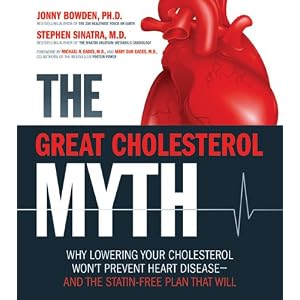
    Recently, cardiologist Stephen Sinatra and I came together to write a book—“The Great Cholesterol Myth: Why Lowering Cholesterol Won’t Prevent Heart Disease and the Statin-Free Plan That Will” (now the number 1 best-seller on Amazon in the category of heart disease).

    We believe that a weird admixture of…

    • misinformation
    • scientifically questionable studies
    • corporate greed
    • and deceptive marketing

    …has conspired to create one of the most indestructible and damaging myths in medical history:

    that cholesterol causes heart disease.

    The real tragedy is that by putting all our attention on cholesterol, we’ve virtually ignored the real causes of heart disease:

    • inflammation
    • oxidative damage
    • stress
    • sugar

    These are things we can actually do something about using food, supplements and lifestyle changes, none of which have the costs—nor the considerable side effects—of drugs.

    First, let’s start with some surprising facts.

    • Cholesterol is a minor player in heart disease
    • Cholesterol levels are a poor predictor of heart attacks
    • Half of heart attacks happen to people with normal cholesterol
    • Half the people with elevated cholesterol have healthy hearts
    • Lowering cholesterol has an extremely limited benefit

    I haven’t come to these conclusions lightly, and I wouldn’t expect you to take them at face value. The case against cholesterol as a cause of heart disease (or even as an important marker for it) has been crumbling steadily for decades, but getting the information out there is difficult. (The two top cholesterol lowering medications, Lipitor and Zocor, together bring in roughly 34 billion dollars a year for their makers, who have a strong vested interest in keeping the cholesterol theory alive. And they’re hardly the only ones who do.)

    But if you’re willing to consider breaking with conventional thinking for a minute, consider the following study, just one of the many we discuss in the book.

    The Lyon Diet-Heart Study

    In the 1990’s, French researchers decided to run an experiment- known as the Lyon Diet-Heart Study— to test the effect of different diets on heart disease.

    They took two groups of men who had every risk factor for heart disease imaginable. All of them had survived a heart attack. They had high cholesterol, they smoked, they didn’t exercise and they had high levels of stress.

    • Half the men were advised to eat the American Heart Association “prudent diet”  (low saturated fat and cholesterol)
    • The other half were advised to eat a Mediterranean diet high in fish, omega-3’s, vegetables and monounsaturated fat like olive oil

    The study was stopped midway because the reduction in heart attacks in the Mediterranean group was so pronounced—70%!!—that researchers decided it was unethical to continue.

    So what do you think happened to the cholesterol levels in the men who ate the Mediterranean diet and had 70% reduction in deaths? You’d think they must have dropped like a rock, right?

    Think again. Their cholesterol levels didn’t budge, and were just as high when the study was stopped as they were when the study began. The men just stopped dying. Cholesterol had nothing to do with it.

    So if cholesterol isn’t the cause of heart disease, what is?

    The Real Cause of Heart Disease

    Here’s the short answer: The primary cause of heart disease is inflammation. Small injuries to the vascular wall that can be caused by anything from high blood pressure to toxins attract all sorts of metabolic riff-raff, from bacteria to oxidized (damaged) LDL particles; the immune system sends inflammatory cytokines to the area, and more oxidation and inflammation takes place eventually resulting in the growth of plaque and, ultimately, to an increased risk for heart disease. If there were no inflammation, the arteries would be clear.

    The following is my seven point program for reducing the risk of heart disease. Note that lowering cholesterol isn’t on it. Note also that managing stress is.

    Stress is a powerful contributor to heart disease. The stress hormones create inflammatory events that may explain why 40% of atherosclerotic patients have no other risk factors.

    Pay attention to these seven action items, and you just may find that you don’t need to worry quite so much about cholesterol after all.

    1. Eat an anti-inflammatory diet. The fruit and vegetable kingdom is teeming with natural anti-inflammatories like quercetin (apples and onions) and curcumin (turmeric). Drink green tea and pomegranate juice. Balance your protein and fat with tons of vegetables. And eat dark chocolate—it’s cocoa flavanols help lower blood pressure and keep the cardiovascular system healthy.
    2. Reduce grains, starches, sugar and omega-6’s (vegetable oils).  Every one of these has the power to increase inflammation—a lot!
    3. Manage Your Stress. Stress is an enormous risk factor for heart disease, and is inflammatory as well. Find a way to manage it. Anything from regular walks in the park to deep breathing exercises to warm baths can help.
    4. Exercise. It’s probably the best anti-aging (and heart protective) drug on the planet
    5. Drink only in moderation. And if you don’t process the word “moderation” very well, don’t drink at all.
    6. Don’t smoke. Probably the number one recommendation for heart disease prevention.
    7. Supplement with antioxidants, vitamin C, Coenzyme Q10, omega-3’s, curcumin, citrus bergamont. Antioxidants like vitamin C protect against oxidative damage (one of the promoters of heart disease) while omega-3’s are one of the most anti-inflammatory molecule on earth. Curcumin does just about everything—it’s an anti-inflammatory and antioxidant.

    The Statin Scam

    And one more thing—if your doctor wants to put you on a statin drug, push back. Ask for the newer (and far more important) cholesterol particle tests, which go well beyond old-fashioned measurements like “good” and “bad” cholesterol and actually tell you what type of LDL you have. (LDL-a is pretty harmless; LDL-b is not.) If you’re a woman, be aware that there’s no evidence that statin drugs save lives in women (or children!) Know that in a number of studies, statin users have a higher risk for diabetes. And that in older people, higher cholesterol is actually protective. (If your doctor doubts that, refer him to the Framingham Study!)

    Statin drugs have many potential side effects, including muscle pain and weakness, memory loss, diminished libido and fatigue. Finally, know that the only population for which a modest—repeat, modest—benefit for statin drugs has been consistently shown is middle aged men with existing cardiovascular disease (previous heart attack). And many health professionals suspect that even this extremely modest benefit is probably due to the anti-inflammatory nature of statins, rather than their ability to lower cholesterol.

    The Bottom Line

    Lowering cholesterol and lowering the risk of heart disease are very far from the same thing.

    The latter is important.

    The former is almost irrelevant.

  • More Statin Drug Deception!

    The following is a guest article by Justin Smith, the man who made the incredible documentary Statin Nation, a DVD I strongly suggest you watch. It’s the perfect companion piece to my new book, The Great Cholesterol Myth.


    A national newspaper here in the UK (the Daily Mail) recently reported “How a 40p statin can stop deadly form of blood poisoning”

    OK, here we go again. It’s a great pity that much of the mainstream media no longer consider the implications of what they publish.

    This article relates to a recent study published in the journal Critical Care, which investigated the use of a statin in people with sepsis (which is a harmful or damaging response to infection).

    It was a small study of 100 people with sepsis. 49 were given a statin and 51 were given a placebo.

    I’m not criticising the study itself. From a certain point of view, it might make sense to try the use of statins in cases of sepsis. Statins are known to have anti-inflammatory effects and inflammation, of course, is a key feature of sepsis. However, the anti-inflammatory effect may weaken the body’s immune system overall.

    Another important point is statins, of course, lower cholesterol, and low cholesterol levels have been consistently shown to increase the risk for infection.

    Therefore, as with any medication, the benefits and risks have to be balanced.

    Using some criteria, the use of the statin did reduce the severity of sepsis, however, there were the same number of deaths in both the statin and placebo group. So there was no evidence that the statin actually provided any extension of life. In addition, after one year, there was no difference in hospital readmission between the statin and placebo group. It is also worth mentioning that the researchers measured the patients perceived quality of life index and, at discharge, the people who did not receive the statin had a better quality of life index.

    The way that the Daily Mail skewed the results in favour of statins was misleading. For example, by the statement: “The findings suggest the drugs, which cost as little as 40 pence a day, could help to reduce the death toll from a condition that affects around 37,000 people a year in Britain”

    The study did not find a reduction in the death rate at all. This is factually incorrect.

    And this recent study did not really tell us anything new; it certainly was not newsworthy.

    In 2012 there was a detailed review of the use of statins in cases in sepsis, published in the Annals of Intensive Care. The study can be found here:

    Statins in the Critically Ill, by Isabelle De Loecker and Jean-Charles Preiser

    The authors of this study provide a balanced review of the use of statins in cases of sepsis and, all things considered, there was no clear evidence of any net benefit associated with the use of statins.

    The Daily Mail article also took the opportunity to portray statins as cheap, by referring to “a 40p statin”. I have complained about this many times before, but I must say it again – statins are not cheap, they cost the ‘health’ service in the UK 450 million pounds each year, not to mention the costs of administering the cholesterol test itself, which probably doubles the cost.

  • Statin Drugs May Raise Type 2 Diabetes Risk

    Canadian Press

    01-25-13

    TORONTO – Health Canada has updated the labeling for commonly prescribed cholesterol-lowering drugs called statins to warn users they may be at a small increased risk of developing diabetes.

    The department announced the change Thursday, 11 months after the Food and Drug Administration took similar action in the United States.

    Toronto-based drug safety researcher Dr. David Juurlink questioned why it took Health Canada so much longer to act on this issue than the U.S. drug regulatory body.

    “It’s not acceptable,” said Juurlink, a specialist in internal medicine and clinical pharmacology at Toronto’s Sunnybrook Health Sciences Centre.

    “Canadians have a right to wonder why the agency tasked with protecting their health should act so much more slowly than its U.S. counterpart. And Health Canada should explain why.”

    The Canadian Press put that question to Health Canada on Thursday. The department acknowledged receipt of the question but did not immediately provide an answer.

    On Feb. 28, 2012, the FDA announced it had updated labels on statin drugs to include several additional risks associated with taking the drugs, including increases in blood sugar levels and the risk of being diagnosed with Type 2 diabetes.

    In an advisory released Thursday, Health Canada said it has concluded, based on a review of all available data, that the risk of diabetes “appears to be mainly in patients with pre-existing risk factors for diabetes.”

    It lists those risk factors as having high levels of glucose or triglycerides, being obese or having high blood pressure.

    Juurlink said many people who use statins to control their cholesterol levels would have some of these risk factors.

    “When it comes to keeping the public abreast of drug safety issues relevant to millions of patients, there is no justification for a delay of close to a year,” he said.

    Health Canada said it believes the benefits of the medication still outweigh its risks, but it recommended that doctors carefully monitor the use of statins by patients who have diabetes risk factors.

    As for people taking the drugs, the department said users who have concerns should talk with their doctors. It said people should not stop taking the drugs without consulting a health-care professional.

    People who take a statin and who experience symptoms associated with increased blood sugar, severe frequent urination, thirst or hunger, should contact their doctor, the department said.

    Six statin drugs are currently marketed in Canada: atorvastatin (sold under the brand name Lipitor and its generics), lovastatin (Mevacor and generics), rosuvastatin (Crestor and generics), simvastatin (Zocor and generics), pravastatin (Pravachol and generics) and fluvastatin (Lescol and generics).

    The Canadian Press, 2013

  • 8 Cholesterol Myths Your Doctor Still Believes

    8 Cholesterol Myths Your Doctor Still Believes

    As some of you may know, cardiologist Stephen Sinatra and I co-authored a book which was recently released, entitled “The Great Cholesterol Myth”.

    The buzz on this has been amazing, largely thanks to you!

    Even though our interview with Dr. Oz hasn’t been shown yet (probably around Christmas), word of mouth has been sensational, and as I write this the book is ranked number 2 in “Heart Disease” on Amazon.

    I’ve noticed some folks posting excerpts and findings from the book all over Facebook which has been really gratifying (thanks Bryan Coad and others!)

    That inspired me to knock out a column on eight popular cholesterol myths that we demolish in the book, (complete with citations, which you can show your doctor).

    We’ll be talking about “The Great Cholesterol Myth” a lot in the coming months—it’s the most important book I’ve ever written and I really want you to read it.

    Here are eight of my favorite cholesterol myths.


    MYTH: High cholesterol is the cause of heart disease.

    FACT: Cholesterol is a fairly insignificant player in heart disease.


    MYTH: High cholesterol is a good predictor of heart attacks.

    FACT: High cholesterol is a lousy predictor of heart attacks. Half the people admitted to hospitals with heart disease have normal cholesterol, and plenty of people with elevated cholesterol have perfectly healthy hearts.


    MYTH: Lowering cholesterol with statin drugs will prolong your life.

    FACT: There is no data showing statins have any impact on longevity.


    MYTH: Statin drugs are perfectly safe.

    FACT: Statin drugs have significant side effects, including loss of memory and libido, muscle pain and fatigue, and approximately 65% of doctors don’t report those side effects.


    MYTH: Statin drugs are appropriate for men, women, children and the elderly.

    FACT: The only group in which statins have been shown to have even a modest effect is in middle-aged men who’ve already had a heart attack. If you’re not in that group, you’ve got no business on a statin drug.


    MYTH: Saturated fat is dangerous.

    FACT: Saturated fat is mostly neutral and may even have some health benefits. Far more “dangerous” is sugar, high levels of omega-6 fat, low levels of omega-3’s and man-made trans fats. Recent peer-reviewed studies have shown no association of saturated fat with heart disease.


    MYTH: The higher your cholesterol, the shorter your lifespan.

    FACT: In the Framingham Study, the people who actually lived the longest had the highest cholesterol.


    MYTH: A high carbohydrate diet protects you from heart disease.

    FACT: Diets that substitute carbohydrates for saturated fat actually increase the risk for heart disease.


    For much, much more, check out our new book, “The Great Cholesterol Myth: Why Lowering Cholesterol Won’t Prevent Heart Disease and the Statin-Free Plan that Will“.

  • Trick Question: How Do You Lower Cholesterol Naturally?

    The other day, I received a request from a writer working on a story about how to lower cholesterol “naturally”. His questions are reprinted below, together with my reply.

    Q. What are your thoughts on taking supplements as part of a cholesterol-lowering plan?

    Q. Which ones do you like, and why?

    Q. Are they safe? What are the risks?

    Q. How do supplements fit in with traditional cholesterol-lowering methods like statin drugs, diet, and exercise?

    Sounds reasonable, right?

    Here’s my answer:

    Dear Writer,

    I’m delighted to help you with your story, which is clearly about using supplements and foods to lower cholesterol.

    But here’s the problem…

    I am a firm believer that lowering cholesterol is the least important thing you can do for heart health.

    In fact, I am the author of a book called, “The Great Cholesterol Myth: Why Lowering Cholesterol Won’t Prevent Heart Disease and the Statin-Free Plan that Will”.

    So I wonder if I’m the right person to be interviewed about how to lower your cholesterol since I’m on a mission to correct the impression that lowering cholesterol matters a whit.

    As I said on the Dr. Oz show, trying to prevent heart disease by lowering cholesterol is like trying to reduce calories by taking the lettuce off your whopper.

    If you want to talk about supplements for heart health, I’m your man. If you want to talk about strategies to prevent heart disease, I’m your man.

    But if you want to talk about how to lower your cholesterol, or what supplements to use as part of a “cholesterol-lowering plan”, I’m probably not your guy.

    To me, that’s like asking a general in the armed forces, “What’s the best way to invade Portugal so we can stop Al-Qaeda?”

    Al-Qaeda isn’t in Portugal. And cholesterol doesn’t cause heart disease.

    Warmly,

    Jonny Bowden

    The writer replied: Let me rethink my slant on the article. I’ll get back to you on that.

    Well, at least that’s some progress!

  • 4 Things That Will Kill You Way Before Cholesterol

    I’m going to tell you a secret– something that the smartest, most cutting edge health professionals all know and have been talking about amongst themselves for a very long time. This information isn’t widely known or accepted yet, but it will be—at which point we will all be shaking our heads looking back on this period in medical history and saying “What were we thinking?”

    Get ready to be shocked:

    High cholesterol doesn’t cause heart disease.

    Yes, you read that right, and before you recover completely, consider this: Fully half the people with heart disease have “normal” cholesterol and fully half the people with elevated cholesterol are healthy as a horse.

    (Full disclosure: I’m going to be talking about cholesterol, statin drugs, and heart disease a lot in the next couple of months. It’s such an important subject that cardiologist Stephen Sinatra, MD and I have written a book about it that will be out in October. I hope you’ll read it. More on that in future blogs.)

    Talk to people about living longer and living free from heart disease (or any of the other conditions that rob us of life and vitality) and you’ll invariably hear someone say, “Yup, gotta do something about my cholesterol”.

    Why are we so darn worried about cholesterol when it has practically nothing to do with living long and living well?

    Well, for one thing it’s easy to measure. For another, lowering it is an extraordinarily profitable business. Zocor and Lipitor, two cholesterol-lowering drugs, remain in the top ten of every Forbes list of best-selling drugs, and bring in over 30 billion a year for their makers.

    And for a third, the idea that high cholesterol causes heart disease is so embedded in our national consciousness that to dislodge it, even with the considerable amount of emerging scientific evidence that the cholesterol hypothesis is simply wrong, would be a massive undertaking. Heck, we’re still buying “low-fat” cookies and margarine based on information that’s been out of date for 10 years.

    So, if not cholesterol, what should we be paying attention to if we want to live longer and live healthier?

    The Four Killers: The Real Dangers to Your Heart

    I’ve identified four major things that age the body and rob us of vitality. They are so insidious and so systemic that I’ve named them “The Four Horsemen of Aging.” They are:

    1. Inflammation
    2. Oxidation
    3. Sugar
    4. Stress

    Inflammation, oxidation, sugar and stress will kill you. Cholesterol won’t.

    Inflammation

    Inflammation is a silent killer, a contributor to every major degenerative disease from Alzheimer’s to diabetes, from heart disease to cancer. It comes in two flavors- chronic and acute. Acute inflammation is the one we’re all familiar with—it’s what you feel when you stub your toe, get a toothache, pull a muscle or have an allergy attack.

    But chronic inflammation is the killer and it flies beneath the radar. It’s your body’s response to small but continuous insults like exposure to toxins, bad diet, stress, cigarettes and the like, and it causes damage to your vascular system. In fact the body uses cholesterol to try to patch up that damage—so blaming cholesterol for the damage is like blaming a St. Bernard for an avalanche!

    We can do a great deal to fight inflammation by eating anti-inflammatory foods (fruits and vegetables abound with natural anti-inflammatories like quercetin and other flavonoids and by taking anti-inflammatory supplements (top of the list: omega 3’s!)

    Oxidation

    Oxidation is another process that ages us. Oxidation is what you see when apple slices left in the air turn brown; that happens inside our bodies every day, the result of attacks on our cells and DNA by rogue molecules called free radicals. Diets high in antioxidants go a long way towards fixing the damage.

    Sugar

    Sugar is a risk factor for almost everything you don’t want to have—causes something called glycation. which happens when excess sugar in the bloodstream “gums up the works.”  Sugar gloms on to protein in the blood, making it too sticky to pass through small capillaries. It’s one reason why diabetics often have amputations in the extremities like toes and feet and problems in areas like the eyes and the kidneys which are served by small, narrow blood vessels.  High blood sugar is far more damaging to the body and to life than cholesterol. And it’s relatively easy to “fix”.

    Stress

    Finally, stress is one of the biggest killers on the planet, and, like sugar, far more of a danger to us than cholesterol ever was. Stress hormones age (and shrink) an important area of the brain called the hippocampus which is involved in memory and thinking.

    Stress can exacerbate nearly any disease, not to mention that it can slow (or even prevent) recovery. And stress actually makes you fat- the major stress hormone, cortisol, causes the body to store weight around the middle.

    In the “Blue Zones”- areas around the globe where people routinely live to 100 in extraordinary health with all their faculties intact- no one worries about their cholesterol or their saturated fat intake. They don’t have to.

    Their lives have built in stress-reducers like extended families and community events; they eat natural whole food diets filled with antioxidants and anti-inflammatories. And their sugar intake is naturally low, so they don’t have to worry about it gumming up the works and destroying their health.

    Aging may be inevitable, but unhealthy aging is not. If you know what to do you truly can have an extraordinary life well into your 9th and 10th decade, filled with vitality, joy and purpose.

    Best of all, it’s not all that hard to do.

    The payoff is worth it.

    Just ask the people in the Blue Zones.

  • Does Vitamin C Deficiency Cause Heart Disease?

    I’ve long maintained that government recommendations for minimum daily requirements for most nutrients should be ignored. Frankly, they’re idiotic and reactionary. They were developed with the idea of preventing major nutritional deficiencies in the majority of people, and as such, they represent the pinnacle of what I call “minimum wage nutrition”.

    Take vitamin C, the RDA for which is a laughable 75 mg a day for women and 90 mg a day for men. No health professional worth his or her salt thinks this is even close to an optimal level, yet this has been the Food and Nutritional Board of the National Academy of Sciences generously “upped” the recommended daily allowance from an even more ridiculous 60 mg back in 2000.

    Remember, the RDA is defined as…

    “The average daily dietary intake level that is sufficient to meet the nutrient requirement of nearly all  healthy individuals in a particular life stage and gender group”.

    So great. Now you know that if you are an “average healthy person” (whatever the heck that is) if you get your 75 mg of vitamin C every day you probably won’t get scurvy.

    Whoop di doo.

    (By the way—if you want to read a really interesting short essay on the politics of all this stuff, check out this essay I found while researching this article. It was written in 1996 by Steven W. Fowkes, the founder of CERI, the Cognitive Enhancement Research Institute).

    Now, the Linus Pauling Institute at Oregon State University is calling for an increase in the RDA to 200 mg a day.

    You may remember that Linus Pauling, a the two-time Nobel Prize winner and one of the most important scientists of the 20th century, turned his attention to vitamins and nutrients in his later years, and was a huge champion of vitamin C, arguing that biochemical individuality, molecular disease, or environmental stress may increase the need for certain nutrients to levels considerably above the RDA, a point of view that did not endear him to conventional medicine.

    According to the Institute’s website…

    “Pauling’s pronouncements on the subject of nutritional medicine were often assailed by physicians and physicians organizations that ignored his long and insightful involvement with the biochemistry of human health and much of the published studies. They often dismissed his ideas as quackery.”

    For an Institute that bears the name of a visionary revolutionary thinker, the Linus Pauling Institute at Oregon State remains, in my view, remarkably moderate in its recommendations. Nevertheless, their advocacy of a doubling of the RDA for vitamin C is a step in the right direction.

    Having just completed what we hope will become a game-changing book on cholesterol and heart disease, and having read a veritable ton of research on the subject, I believe that chronic vitamin C deficiency is a contributing factor to heart disease. In our book, “The Great Cholesterol Myth”, cardiologist Stephen Sinatra, MD, and I recommend vitamin C as part of an overall program of heart health (along with such nutrients as omega-3’s, CoQ10, magnesium, carnitine, resveratrol, and curcumin).

    Since we now know that heart disease is initiated by inflammation and oxidation—not cholesterol—it makes sense to include a hefty dose of one of the most powerful anti-oxidants on the planet—vitamin C.

    Interestingly, Linus Pauling himself proposed “A Unified theory of Cardiovascular Disease”, which, if correct, means that one of the great contributors to heart disease is a chronic vitamin C deficiency.

    The published research on vitamin C is voluminous:

    • Research at Sloane-Kettering Cancer Center in NY found that high intracellular concentrations of vitamin C can prevent oxidation-induced mutations in human cells.
    • Recent research showed that men who had the highest intake of vitamin C were 14% less likely to develop prostate cancer.
    • According to the Physicans Desk Reference for Nutritional Supplements 2nd edition, vitamin C is arguably the most important water-soluble biological antioxidant. (Since oxidative damage is a contributor to most major degenerative diseases, this is pretty significant.) The PDR also notes that vitamin C…

    “may also have anti-atherogenic, anticarcinogenic, antihypertensive, antiviral, antihistaminic, immunomodulatory, ophthalmoprotective and airway-protective actions, and it may aid in the detoxification of some heavy metals such as lead and other toxic chemicals.”

    Personally, I take at least 1000 mg of vitamin C every day, sometimes more. And for the record, stress eats up vitamin C. Most of my colleagues—including the more conservative ones—feel that at least 1000 mg of supplemental C a day is a good idea.

    Foods that are high in vitamin C include kiwis, peppers (green, red, orange), orange and grapefruit juice, kale, leeks, oranges, and many other fruits and vegetables.

    In the words of Linus Pauling…

    Ultimately, it will be common knowledge that the optimum daily intakes of vitamins are far larger that what can be had in food, even by selecting foods for their high vitamin content.”

    Let’s hope he’s right.

  • The Most Delicious Anti-Inflammatory Drink on Earth

    I’m a big believer in supplementation, but I’m also a big believer in using food as medicine. I also believe inflammation is a significant factor in just about every degenerative disease known to man. So I’m always looking for dietary and supplement strategies to lower inflammation. Foods like wild salmon, grass-fed beef, apples, onions, berries, papaya, and supplements like Omega-3’s, quercetin, resveratrol and curcumin.

    And pineapple!

    Pineapple contains a very potent anti-inflammatory enzyme called bromelain, which is also great for digestion. Everyone talks about the bromelain in pineapple, but what they forget to tell you is that most of it’s in the skin. (How much is in the actual fruit is anyone’s guess. We assume the fruit contains some bromelain but the mother lode is definitely in the skin everyone throws away.)

    The other day Michelle came home with a bag full of pineapples, which were on sale in our neighborhood at the ridiculously low price of 2 for $3.

    So we sliced them up and then put them through the juicer, skin and all.

    This is the juicer I use.  It’s the Breville Juice Fountain and it’s terrific.  It’s just the juicer I’ve been using for years and I think it’s great. I’m not the only one… check out all the great feedback on Amazon.

    To make this drink even more potent and even better tasting (if that’s possible), we added a drizzle of Barlean’s Omega Swirl Pina Colada. This adds 360 mg of EPA and 360 mg of DHA, the two omega-3’s found in fish oil, and significantly boosts the anti-inflammatory power of the drink, since omega-3’s are among the most anti-inflammatory molecules on earth.

    And because fish oil is fat, adding it to the pineapple juice brings down the glycemic impact of the pure juice. The pina colada taste punches up the naturally citric sweet and sour taste of the pineapple. It’s really terrific.

    The pineapple slices (with skin) juice easily, and here’s what the drink looks like:

    So for less than the price of a Starbucks (a lot less), we had two glasses of the most delicious, refreshing, anti-inflammatory drink you can imagine.

    Try it and let me know what you think!