Category: Cholesterol & Heart Health

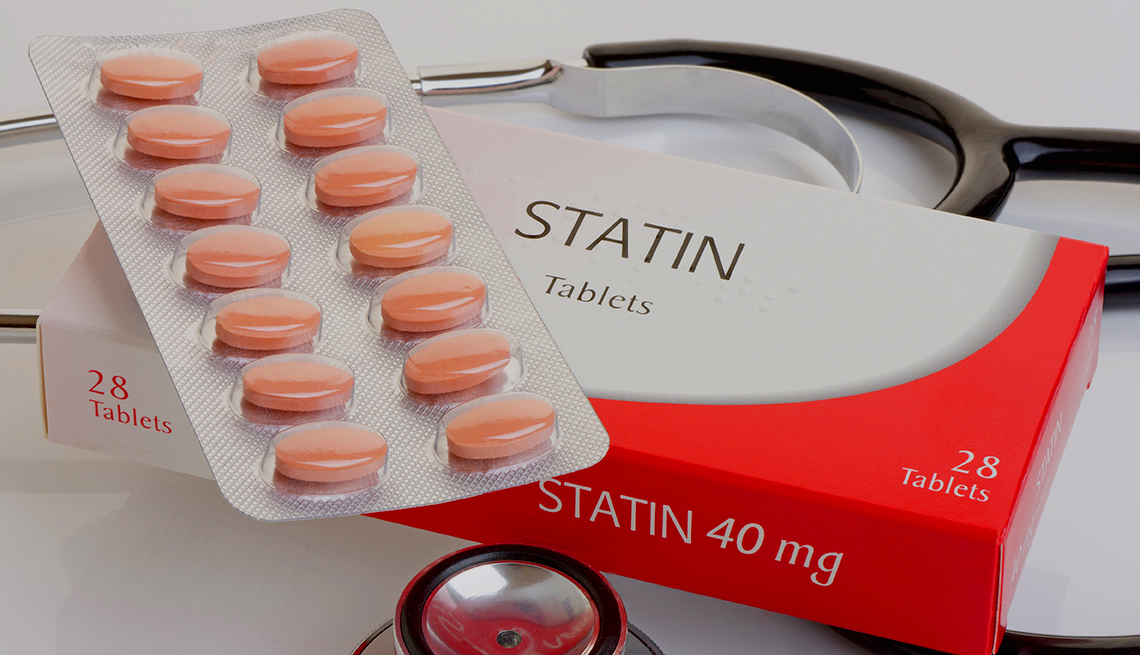
  • Are Statin Drugs a Waste of Time?

    Are Statin Drugs a Waste of Time?

    Not long ago, a medical reporter friend of mine, Lynn Allison, asked me to comment on a recent article in The Daily Mail, the title of which was:

    MORE experts claim statins are a waste of time.

    The article went on to say that studies show that cutting cholesterol fails to slash heart risk. (That is correct.) It said that millions were being mislead about the side effects of the popular cholesterol-lowering drugs known as statins (also correct). And that the side effects of these drugs were far more common than studies suggested. (That too, is correct.)

    Lynn asked me for a comment. This is what I said.

    This new article is a wonderful development, but not wholly unexpected. My book with cardiologist Dr. Steven Sinatra— The Great Cholesterol Myth— references dozens and dozens of studies which cast serious doubt on– or in some cases totally refute– the notion that cholesterol causes heart disease.

    Dr. Sinatra and I listed several peer-reviewed studies that showed that more than half the people admitted to hospitals for cardiovascular disease have normal “bad” cholesterol (less than 100 LDL), and just under half had desirable levels of “good” cholesterol (more than 40 HDL). Not only doesn’t cholesterol cause heart disease, it’s a lousy PREDICTOR of it!

    Yet the accepted “conventional” wisdom is that lowering cholesterol lowers the risk of heart disease. It does not. As i said on Dr. Oz, “Trying to lower the risk of heart disease by lowering cholesterol is like trying to lower the risk of obesity by taking the lettuce off your Big Mac”.

    Interestingly, cholesterol skepticism is NOT a new position— George Mann, one of the principle investigators of the long-running Framingham study of heart disease— called the notion of cholesterol causing heart disease “the greatest scam ever perpetrated on the American public”.

    And our book— The Great Cholesterol Myth— was hardly the first to point out the difference between the data and the recommendations. The Great Cholesterol Con, The Cholesterol Myths, Cholesterol Clarity, The Cholesterol Delusion, The Cholesterol Conspiracy and dozens of other popular and scholarly books have made the case before us, and undoubtedly others will continue to make it after us. An excellent review article— Saturated Fat and Cardiovascular Disease: The discrepancy between the scientific literature and dietary advice, published in the journal Nutrition (Feb, 2012) concluded that “results and conclusions about saturated fat in relation to cardiovascular disease, from leading advisory committees, do not reflect the available scientific literature”.

    Finally, there’s the question of statin drugs and overmedication in general. The wonderful John Abramson of Harvard Medical School, has been speaking out for the better part of a decade on the overuse of ineffective medications, and has been particularly critical of statin drugs. Statin drugs have multiple serious side effects from memory loss to fatigue to loss of energy and libido, to serious muscle pain. Yet they are prescribed randomly to anyone with an “elevated” cholesterol level, even though study after study shows little benefit to lowering cholesterol. (Interestingly, in the Framingham study, those with the highest cholesterol actually lived the longest!) The studies the drug companies point to showing that “statins save lives” usually do not hold up under close examination. You may see a SLIGHT reduction in heart attacks but you will see a corresponding INCREASE in cancer and diabetes. And several peer-reviewed studies have shown a significant increase in diabetes among statin users.

    And why don’t we know more about these statin side effects? Simple. Because doctors usually don’t report them.

    An exhaustive study, by Dr. Beatrice Golumb at Stanford, showed that 65% of docs do not report statin side effects because they don’t believe their patients. (You can read the actual study here.) The average patient will come in and say something like, “Hey doc, ever since you gave me this Lipitor, I’ve been forgetting things left and right” and the doc will say, “No, Mr. Jones, that’s just the mild cognitive impairment that comes with age, nothing to worry about, definitely not coming from the statin drug”.

    Meanwhile, statins (and lowering cholesterol) are a 31 billion dollar-a-year business.

    As the great American writer, Upton Sinclair, once said: “It is difficult to get a man to understand something, when his salary depends on his not understanding it”.

  • It’s Heart Health Month—Don’t fall for the BS

    It’s Heart Health Month—Don’t fall for the BS

    It’s heart health month, the time of year when I typically get apoplectic reading all the bullshit about how important it is for us to check our cholesterol.

    And with a new class of cholesterol lowering drugs about to hit the market, you can count on aggressive campaigns to get you to pay attention to your cholesterol levels, and how great these new drugs are when you combine them with a statin, which is what they did in the research. So now, you can be on two drugs to solve the terrible problem of high cholesterol (although I saw an encouraging article recently that said that the new drugs—Repatha and Praluent—aren’t selling. Such a pity.)

    Two drugs that may lower cholesterol stupendously. But which do very little if anything for lowering the risk of heart disease.

    That’s because—- as I said on the Dr. Oz show—trying to lower the risk of heart disease by lowering cholesterol is like trying to reduce your risk of obesity by giving up lettuce.

    So let’s start with one, basic, incontrovertible, evidence-based, non-alternative fact: Cholesterol does NOT cause heart disease. Not even close. It’s actually not even a good predictor of heart disease. Fully half the people admitted to US hospitals with cardiovascular disease have perfectly normal cholesterol. Tim Russert, the beloved host of Meet The Press, dropped dead on a treadmill at the NBC studios with his cholesterol perfectly in check.

    Now that we’ve got the cholesterol thing out of the way, let’s talk about what does cause heart disease, and, more importantly, what we can do about it. Which turns out to be a lot (more on that in a moment).

    Heart disease doesn’t have a single cause. Many different factors can contribute to a weakened heart, just as they can to a weakened immune system. And when the heart—or more precisely, the cardiovascular system—is weakened, it doesn’t take as much to overwhelm it.

    Imagine building a fence out of bamboo around a house on the coast of Florida. That fence may stand perfectly straight in good weather, but at the first sign of a hurricane, goodbye fence. (A fence made of something more substantial would be exposed to the same hurricane winds, but probably wouldn’t get knocked down.)

    Your body is like that fence. When your system is weakened by a diet high in sugar and starch, by stress, by inflammation, by oxidative damage, by the absence of exercise and the presence of toxins, it’s like having a fence made of paper maché. In our book, The Great Cholesterol Myth, my co-author, cardiologist Stephen Sinatra, MD, tells the story of a banker who was felled by a heart attack after hearing a bit of minor bad news. His system was so weakened that even a minor setback was enough to bring him down.

    Think about all the stories you’ve heard about couples who were married for 57 years, one dies, and the other is gone within a month. (Case in point: my grandparents.) The grieving survivor’s system is simply overwhelmed, flooded with cortisol (which depresses immunity), their will is gone, their physical resources depleted and they simply die, often triggered by an ordinarily innocuous bacteria or virus. Thinking we are speaking metaphorically, we might say of that person that he died of a broken heart—- but a broken heart might be closer to the truth than we think.

    We weaken our systems every time we consume sugar, soda, donuts, French fries, or any of the other staples of our great American experiment in horrible diets. Our system is further weakened by exposure to the toxins in the air we breathe, the water we drink, the food we eat and the stress we experience. All add up to a significant increase in our susceptibility to heart disease. Cholesterol has absolutely nothing to do with it.

    And one more thing—perhaps the most important. Have you ever noticed that there are no newspaper articles—let alone studies—of healthy, robust centenarians that live in isolated cabins in the wilds of Montana? That’s because there are no such people. All the places in the world where they have the highest concentration of healthy 100-year olds have one thing in common, and it’s not their diet, their exercise, their supplementation program or their genetics.

    It’s the fact that they all have strong social connections.

    And I’m not talking Facebook friends, I’m talking real people whose eyes you can actually look into when you talk to them. Who you talk to with actual words, not texts. The social fabric is such a strong protector of health that it may even counter the negative effects of some really bad risk factors.

    There’s even a name for this phenomenon—The Roseto Effect— named after a close-knit Pennsylvania community with a heart attack mortality rate about half that of all the surrounding areas, baffling all the scientists and researchers of the day .

    The people of Roseto lived a really hard-scrapple life. They worked in toxic slate quarries, inhaling horrible gases, dusts and other awful stuff. They smoked. Their diet was as bad as you can imagine. But the town was mostly composed of closely-knit Italian immigrant families who had an incredibly strong social fabric. They shopped locally, patronizing their neighbors’ businesses. They didn’t show off, or care terribly about status. They attended the same churches, went to the same schools. They didn’t seem terribly unhappy or stressed out. They ate family dinners together, and had virtually no crime in their neighborhoods. They had a sense of purpose and a sense of connection to things outside (and bigger) than themselves. And they took care of one another—though hardly a well-heeled town, they had a very low percentage of people on public assistance.

    Apparently that lifestyle protected them a hell of a lot more than a statin drug.

    Look, let’s face it. You can’t completely eliminate the risk of heart disease. But you can do an awful lot of things to reduce the risk of it killing you. You can eat real food—food your grandmother would have recognized as food. You can move. A lot. You can get up and walk around for a few minutes every hour or so, so you never sit for extended periods of time. You can get some sun, and take a walk in the woods. Play with a pet. Make love. Meditate. Spend a few minutes every day contemplating the things you’re grateful for. Eat an apple. Drink some tea. Dance like no one’s looking. Take fish oil, vitamin D, magnesium, and probiotics. Laugh. Make someone else feel good—every single day of your life.

    These are the things that create a strong “fence” They ultimately protect you and insure that you’re as strong, healthy and fit as you can possibly be.

    That’s how you protect your heart.

    Lowering your cholesterol has absolutely nothing to do with it.

  • What We Can Learn About Diabetes From Fish

    What We Can Learn About Diabetes From Fish

    Diabetes, inflammation and Jonny’s fish tank

    I’ve been making the case for a long time that inflammation is probably the most important contributing factor to degenerative disease. There’s an inflammatory component to cancer, to obesity, to diabetes, to heart disease and even to Alzheimer’s. In The Great Cholesterol Myth, cardiologist Stephen Sinatra and I put forth the theory that inflammation was one of the four major promoters of heart disease (dwarfing cholesterol’s almost non-existent role). In The Most Effective Ways to Live Longer I identified inflammation as one of the four major factors that ages our body.

    Inflammation is bad news.

    Problem is, most people don’t really understand how bad inflammation is and what it actually does to your body. Tell people you want to help them reduce the risk for heart disease, they’re happy to get on board. Tell them you want to help them lose weight, and you’ll be met with a chorus of “Oh Yeah!” But tell them you want to help them reduce inflammation… and it’s crickets chirping.

    Which brings me to diabetes.

    This month, Dr. Patrick Kinglsey from the UK put forth a really interesting theory about diabetes and inflammation. Dr. Kingsley believes that the real cause of diabetes is inflammation, but his explanation and reasoning is so excellent and clear that I thought I’d reproduce the argument here. It’s worth reading and understanding so you can really appreciate just how much inflammation influences every disease you never want to get.

    And the best way I can explain it is to talk about my fish.

    So I have this fish tank and every time I go to feed the fish, they all gather around near the surface waiting for the fish food. (I like to amuse myself by thinking how well I’ve trained them and how smart they are, but really, they’re fish, and they’ve just been conditioned to respond to my huge human hand hovering over their tank by rushing up to the surface, near my hand, to collect their goodies.

    The same thing happens in your cells when insulin comes knocking with its sugar payload.

    Remember, when sugar rises in the bloodstream, insulin gets secreted from the pancreas. The insulin “escorts” the sugar into the cells by binding with it and taking it to the surface of the cells. As soon as the sugar arrives at the cell membrane, it’s like my hand with the food arriving at the surface of the fish tank. Except instead of fish, a particular protein in the cell—it’s called Glucose Transporter Type 4 (GALT-4 for short) “swims” up to the surface. And—to keep the metaphor going—it opens its “mouth” and collects the sugar, and all is well with the world.

    Except when it doesn’t.

    Which is exactly what happens when you are “insulin resistant”, i.e your cells don’t respond to insulin (and its sugar payload) the way they’re supposed to.

    (And when that happens, insulin takes its sugar payload to the fat cells instead of the muscles, and you can guess the rest.)

    According to Dr. Kingsley, inflammatory compounds are precisely the reason why GALT-4 fails to work. One in particular—TNF-alpha—destroys GALT-4 in the muscle cells, virtually assuring the sugar is going to wind up on your hips.

    Whoops.

    Not only that, TNF-alpha plays havoc with an enzyme called LPL—lipoprotein lipase. Lipoprotein lipase helps break down fat (specifically triglycerides).

    And yes, there’s more—TNF-alpha stimulates the production of fat cells.
    And fat cells produce more—you guessed it—TNF alpha. This is one of the reasons why, as Dr. Kingsley puts it, “there’s a lot of TNF-alpha floating around in an inflamed, overweight person.”

    It’s time to take inflammation much more seriously.

    Berries, vegetables, fatty fish (like wild salmon), nuts, onions, tea, apples and olive oil are all highly anti-inflammatory foods, as are supplements like Omega-3, curcumin, quercetin (found in apples and onions), green tea extract, astaxanthin—all are excellent weapons in the anti-inflammatory arsenal.

    Guess what’s pro-inflammatory? Sugar. Vegetable oil. And, for many people, wheat.

    So take inflammation seriously. Controlling it may just be one of the most powerful strategies for creating health.

  • 9 surprising heart health tips

    By Jonny Bowden, PhD, CNS aka “The Rogue Nutritionist” ™


    Having written a book that essentially questions the entire cholesterol establishment and the notion that saturated fat and cholesterol cause heart disease (“The Great Cholesterol Myth” by Bowden and Sinatra), I’m frequently asked the following question:

    If saturated fat and cholesterol aren’t the problem, what is? And, more importantly, what can I do to protect my heart?

    Glad you asked.

    I’ve put together my ten nine tips for protecting your heart and living happily to a seriously ripe old age.

    IMG_3382


    1. Reduce sugar and processed carbs. Sugar is a way bigger contributor to heart disease than fat ever was. Plus it contributes to inflammation which is part of just about every degenerative disease on the planet.
    1. Stop worrying about fat, including saturated fat. Two major
      meta-analyses in the last few years have established that saturated fat does not cause heart disease, and isn’t even related to it. However, the combination of sugar and fat is a particularly bad one.
    1. Do an oil change! Reduce your intake of vegetable oils and
      increase your intake of omega-3’s, especially fish oil. The balance between omega-6 (vegetable oil) and omega-3 (fish oil) is one of the most important metrics for human health, and the ideal ratio of these two types of fat in the diet is 1:1. Research shows we consume over than 16 times more (pro-inflammatory) omega-6’s than (anti-inflammatory) omega-3’s.
    1. Learn some techniques for managing stress. Stress contributes to every disease known to man (including heart disease) and is a tremendous risk factor for cardiovascular disease.
    1. Get some sun and spend some time outdoors. Most people are too low in vitamin D and could use more reasonable sun. And research shows that
      being around greenery improves health in a number of measurable ways.
    1. Eat an anti-inflammatory diet. Cholesterol doesn’t cause heart
      disease, but inflammation sure does promote it. Foods rich in anti-inflammatories include virtually all vegetables, low-sugar fruits like apples and berries, avocados, nuts—all the usual suspects. And new research shows that citrus Bergamot—available now as a supplement by Reserveage– is a powerful balancing agent for the critical Triglyceride: HDL radio.
    1. Supplement wisely. My top recommendations include fish oil,
      magnesium, vitamin D, CoQ-10, resveratrol (trans-resveratrol), curcumin, probiotics, and for those with existing heart issues, D-ribose and               L-carnitine. Reserveage makes an all-trans-resveratrol product that I take every day, as well as an exciting new product from the citrus bergamot plant called Bergamot Cholesterol Support which lowers triglycerides and blood sugar and boosts HDL cholesterol.
    1. Do some kind of exercise every day. For basic heart health and
      protection, it’s hard to beat a daily walk.
    1. Cultivate nourishing relationships. And I’m not just talking about Facebook friends. Friendships, connections, and social usefulness have enormously beneficial effects on both the heart and on health in general.

    Will doing all these things eliminate all risk? Of course not. But neither will wearing a seat belt and driving sober. Doing those things won’t positively guarantee that some nutbag texting teen won’t jump the divider and kill you.

    These actions will improve your health and cut your risk.

    And really, that’s all we can ask of them!


    By Jonny Bowden, PhD, CNS aka “The Rogue Nutritionist” ™


  • The Great Cholesterol Myth

    By Jonny Bowden, PhD, CNS aka “The Rogue Nutritionist” ™

    Since Amazon is featuring a special on the Kindle Edition of “The Great Cholesterol Myth” during August, I thought this would be a perfect time to review some of the important concepts we cover in that book. If you haven’t read it yet, the amazing sale on Amazon is a perfect time to pick it up (or, in this case, to have it auto-delivered!) http://amzn.to/1IBRUkS

    Great Cholesterol Book Cover

    As some of you probably know, cardiologist Stephen Sinatra and I co-authored a book entitled “The Great Cholesterol Myth” which created quite a stir when it came out at the end of 2012. The Australian BBC did a two-parter on it—which engendered all kinds of protests from the (very conservative) Australian medical establishment, and when we appeared on Dr. Oz, ten doctors wrote a joint letter to him protesting the fact that he gave air time to the “ridiculous” notion that cholesterol doesn’t matter. (Of course, hundreds more doctors wrote to us to thank us for finally telling the truth!)

    So, you might well ask, what is the great cholesterol myth? And why should I even care?

    First of all, belief in the Great Cholesterol Myth has caused us to take our eye off the ball when it comes to preventing heart disease. Belief in the Great Cholesterol Myth has caused us to neglect the real causes of heart disease while obsessively focusing on an innocuous molecule that’s essential for life and has only a minor role in heart disease.

    And you should care about all this for two reasons. One, the Great Cholesterol Myth has been the foundation of the boneheaded dietary advice you and I have been saddled with for the past thirty years, “official” dietary advice that has directly contributed to the greatest epidemic of obesity, diabetes and heart disease in history.

    The Great Cholesterol Myth is actually a series of related myths. Here are eight of my favorites.

    MYTH: High cholesterol is the cause of heart disease.

    FACT: Cholesterol is a fairly insignificant player in heart disease.

    MYTH: High cholesterol is a good predictor of heart attacks.

    FACT: High cholesterol is a lousy predictor of heart attacks. Half the people admitted to hospitals with heart disease or for heart surgery have normal cholesterol, and plenty of people with elevated cholesterol have perfectly healthy hearts.

    MYTH: Lowering cholesterol with statin drugs will prolong your life.

    FACT: There is no data showing statins have any impact on longevity. In virtually all of the studies, the people taking statins have a couple of less deaths from heart disease and a couple of more deaths from other causes like cancer, making the total number of lives saved… let’s see.. that would be zero.

    MYTH: Statin drugs are perfectly safe.

    FACT: Statin drugs have significant side effects, including loss of memory and libido, muscle pain and fatigue, and approximately 65% of doctors don’t report those side effects. (1)

    MYTH: Statin drugs are appropriate for men, women, children and the elderly.

    FACT: The only group in which statins have been shown to have even a modest effect is in middle-aged men who’ve already had a heart attack. If you’re not in that group, you’ve got no business on a statin drug. (2)

    MYTH: Saturated fat is dangerous.

    FACT: Saturated fat is mostly neutral and may even have some health benefits. Recent peer-reviewed studies have shown no association of saturated fat with heart disease. (3)

    MYTH: The higher your cholesterol, the shorter your lifespan.

    FACT: In the Framingham Study, the people who actually lived the longest had the highest cholesterol. (4)

    MYTH: A high carbohydrate diet protects you from heart disease.

    FACT: Diets that substitute carbohydrates for saturated fat actually increase the risk for heart disease. (5)

    For much, much more, check out “The Great Cholesterol Myth: Why Lowering Cholesterol Won’t Prevent Heart Disease and the Statin-Free Plan that Will”.

    Jonny Bowden, PhD, CNS, aka “The Rogue Nutritionist”™, is a board-certified nutritionist and co-author (with cardiologist Stephen Sinatra, MD) of “The Great Cholesterol Myth”.


    REFERENCES

    By Jonny Bowden, PhD, CNS aka “The Rogue Nutritionist” ™


  • Ketogenic Diets

    By Jonny Bowden, PhD, CNS aka “The Nutrition Myth Buster”™

    A lot of people think of ketogenic diets as high protein diets, but they’re actually not, they’re high fat diets. Why would anybody go on a high fat diet? When you reduce carbs to this low an amount, your body is forced to burn fat for fuel. There’s very little glucose in your blood stream, and the body has to go to an alternative fuel source.
    macadamia nuts

    So many good things happen when you burn fat as opposed to sugar. You have more energy, fewer cravings, you don’t have the blood sugar roller coaster, and you almost always lose weight, sometimes pretty rapidly. Burning fat when you don’t have any carbs in your system creates this alternative fuel source called ketones. The ketogenic diet generates a state called ketosis and you lose weight because your body is producing these ketones from fat from your diet, sure, but also from your hips, butt and thighs. That’s the ATM machine for fat! You’re going to use that for fuel, and you’re going to lose body fat.

    For many years, people thought ketogenic diets were really hard to stay on, and that they were probably unhealthy because of all that fat. Think again. We’ve known for a long time that ketogenic diets are used as a treatment for childhood epilepsy; they use ketogenic diets right now at Johns Hopkins. In epilepsy, we learned at this conference, the brain is basically starving for sugar. It needs energy, and the brain cells are basically saying, “Feed me”. They’re going nuts and they start to spasm and that’s a very non-technical way to explain epilepsy. When your body’s producing ketones, the brain loves them; it will run all day on ketones. So will the heart. So will the muscles.

    As we learned at the conference, ketogenic diets are also being investigated for cancer. Remember, cancer cells feed on sugar, that’s their only fuel. Ketogenic diets are also being investigated for MS. There’s this wonderful doctor named Terry Wahl’s who had MS, and it was so serious that she was in a reclining wheelchair. She gives these TED lectures now. She’s created this protocol all about ketogenic diets; look up the Wahl’s protocol. Ketogenic diets are also being investigated for cognitive and neural impairment among other things.

    What was really interesting at this conference was how many top athletes are using ketogenic diets. They’re running on fat! When Natural Health Sherpa sent me and Dr. Raffelock down to the conference, we came back very jazzed because we’re going to be starting work soon on a whole new exciting project harnessing the power of the ketogenic diet. For now, you can read a lot about ketogenic diets online, a great place you might want to start is the blog of Dr. Peter Attia called The Eating Academy.

    We’re beginning to see the whole establishment that’s been built around “low-fat” crumbling and finding out that the guidelines for fat consumption were never based on science in the first place. New studies are questioning the cholesterol hypothesis and absolving saturated fat of any role in heart disease. I think you’re going to see a big shift in attitudes about fat in general and about high-fat diets especially among people like the folks on Metabolic Mastery who stay ahead of the curve. Read about this, follow all the health news and listen to us. I’m writing a book about high-fat diets right now with the esteemed Dr. Steven Masley out in January, and we’re going to be doing a version of a high fat diet in our next program for Natural Health Sherpa. On a ketogenic diet you can lose body fat, increase energy, and if the emerging work pans out, you may also reduce the risk of certain diseases, and maybe even improve your athletic performance!

    By Jonny Bowden, PhD, CNS aka “The Nutrition Myth Buster”™

  • BUSTING THE MYTHS ABOUT COOKING OILS

    By Jonny Bowden, PhD, CNS aka “The Nutrition Myth Buster”™

    I’ve spent a large portion of my career fighting the wrongful demonization of dietary fat, trying to set the record straight, and to reclaim respectability for fat in general, saturated fat in particular, and—most importantly—cholesterol. Now it’s time to take on the whole area of cooking oils.
    ID-100339489

    The subject of dietary fat and the subject of cooking oils overlap- but it’s not the same subject. While all cooking oils are made from fat, they have specific properties of their own—how they stand up to heat, for openers. And there’s a lot of misinformation about the best way to use cooking oils so as to get maximum benefit from them.

    And there are a lot of myths. Consider:

    Extra virgin olive oil is the best stuff ever, you should use it for everything! Coconut oil is a fantastic cooking oil, its saturated fat stands up to high heat beautifully! Canola oil is the healthiest oil on the planet!

    Well, if you’re an informed health consumer, you’ve probably heard every one of those statements, and you probably even agree with them. I don’t blame you. Those ideas are deeply embedded in what’s now called “the health space”, meaning places where people talk about, read about, tweet about, discuss, and debate what’s healthy and what’s not.

    The problem is they’re not true.

    Or at least they’re not completely true. Because with cooking oils the devil is truly in the details. And you simply can’t have a serious discussion about healthy cooking oils without including one absolutely critical detail that no one seems to ever talk about—temperature.

    Take extra virgin olive oil, for example, everybody’s poster child for the best oil ever. Extra virgin olive oil is made by simply crushing olives and extracting the juice. It’s made without a hint of chemicals and industrial refinement, and under temperature that will not degrade the oil (i.e. less than 86° F). People pay a lot more money for extra virgin olive oil, and then proceed to use it for all their cooking needs.

    Big mistake.

    Think about it. Why did you pay such a high premium for extra virgin in the first place? It was to get all those spectacularly healthy olive polyphenols, in virgin condition, undamaged by heat or chemicals. So why in the world would you take this delicate, carefully prepared oil, just dripping with delicate compounds that you paid a lot of money for, and then heat it to a high temperature which is basically guaranteed to destroy most of what you paid for?

    Doesn’t make much sense, does it?

    Cooks and chefs have a term for the temperature at which oils begin to be damaged—it’s called a smoke point. If an oil is heated until it smokes, the valuable nutrients will be damaged. Worse, the oil itself becomes harmful to ingest. If you take a healthy fat—like for example, extra virgin olive oil, or unrefined coconut oil—and you cook it past its appropriate temperature tolerance you’ve just taken a smart fat and made it into a dumb one.

    So pay attention to the temperature guide below, and never use an oil at a temperature that causes it to smoke. (Don’t go nuts around this, though—if you happen to accidentally burn an oil from time to time, just take the pan off the heat, wipe the pan with a paper towel, and start over.)

    We suggest you choose 1-2 oils you can use for high heat cooking—like avocado, pecan, extra-light olive oil, or ghee—and let these be your staples for high heat cooking. Medium-high heat oils are the ones you’ll probably cook with most of the time. They’re great for browning meat or poultry, or for cooking vegetables. Good choices: virgin olive oil (not extra virgin), almond oil, hazelnut oil, and macadamia nut oil.

    You should probably also choose 1-2 medium heat oils for when you don’t heat a pan past medium heat. Good example: nutrient rich, unrefined coconut oil like Barlean’s, and sesame seed oil.

    More nutrient rich oils, like extra virgin olive oil, are wonderful for drizzling or for salad dressings. High lignin flaxseed oil can be used for drizzling or for salad dressings (but never for cooking, ever). Other oils that work well for this purpose—oils that can be used for dressings or sprinkled on dishes for extra flavor after they have been cooked—include sesame, pistachio and walnut oils.

    The bottom line: Use the right oil, but use it at the right temperature! That’s just plain smart cooking!

              Cooking Heat, Cooking Oils, Smoke Points*            

    Cooking Heats (°F)                                     Appropriate Cooking Oils            

    High Heat                  450-650°                   Avocado oil, Grapeseed oil,                                                                                              Pecan oil, Ghee (clarified butter),                                                                                           Extra-light olive oil

    ******

    Medium High Heat  375-449°                   Virgin olive oil, Almond oil,                                                                                                             Hazelnut oil, Refined Walnut oil,                                                                                           Macadamia nut oil, Refined                                                                                              Coconut oil

    ******

    Medium Heat                        324-374°                   Extra virgin olive oil, Lard, Butter,                                                                                      Unrefined coconut oil,

    ******

    Medium Low Heat   250-324°                   Unrefined sesame seed oil,                                                                                             Unrefined walnut oil

    ******

    Low Heat                               225-249°       Pistachio oil

    Oil                               Smoke Points (F)    Maximum Cooking Temp

    Almond oil                             430°               Medium-high

    Avocado oil                           520°               High

    Avocado oil, (virgin)             400°               Medium

    Butter                                     350°               Medium

    Butter, (clarified)                  485°               High

    Coconut oil, (refined)          400°               Medium

    Coconut oil, (unrefined)     350°               Medium-low

    Grapeseed oil                      485°               High

    Hazelnut oil                           430°               Medium-high

    Lard                                        380°               Medium

    Macadamia nut oil               400°               Medium

    Olive oil, Virgin                     420°               Medium-high

    Olive oil, Extra Virgin           400°               Medium

    Olive oil, Extra light              470°               High

    Pecan oil                               470°               High

    Pistachio oil                          250°               Low

    Sesame oil, (unrefined)     350°               Medium-low

    Walnut oil, (refined)             400°               Medium

    Walnut oil, (unrefined)        320°               Medium-low

    *Table adapted from the forthcoming book, “Smart Fat: Eat More Fat, Lose More Weight, Get Healthy Now!” by Jonny Bowden, CNS and Steven Masley, MD (Harper One, Jan 2016)


  • 9 Surprising Heart Health Tips.

    Image courtesy of FreeDigitalPhotos.net

    Having written a book that essentially questions the entire cholesterol establishment and the notion that saturated fat and cholesterol cause heart disease (The Great Cholesterol Myth by Bowden and Sinatra), I’m frequently asked the following question:

    If saturated fat and cholesterol aren’t the problem, what is? And, more importantly, what can I do to protect my heart?

    ID-10018348

    I’ve put together my nine tips for protecting your heart and living happily to a seriously ripe old age.

    1.      Reduce sugar and processed carbs. Sugar is a way bigger contributor to heart disease than fat ever was. Plus, it contributes to inflammation which is part of just about every degenerative disease on the planet.

    2.      Stop worrying about fat, including saturated fat. Two major meta-analyses in the last few years have established that saturated fat does not cause heart disease, and isn’t even related to it. However, the combination of sugar and fat is a particularly bad one.

    3.      Do an oil change! Reduce your intake of vegetable oils and increase your intake of omega-3s, especially fish oil. The balance between omega-6 (vegetable oil) and omega-3 (fish oil) is one of the most important metrics for human health, and the ideal ratio of these two types of fat in the diet is 1:1. Research shows we consume over than 16 times more (pro-inflammatory) omega-6s than (anti-inflammatory) omega-3s.

    4.      Learn some techniques for managing stress. Stress contributes to every disease known to man (including heart disease) and is a tremendous risk factor for cardiovascular disease.

    5.      Get some sun and spend some time outdoors. Most people are too low in vitamin D and could use more reasonable sun. And research shows that being around greenery improves health in a number of measurable ways.

    6.      Eat an anti-inflammatory diet. Cholesterol doesn’t cause heart disease, but inflammation sure does promote it. Foods rich in anti-inflammatories include virtually all vegetables, low-sugar fruits like apples and berries, avocados, nuts—all the usual suspects. And new research shows that citrus Bergamot—available now as a supplement by Reserveage—is a powerful balancing agent for the critical Triglyceride: HDL radio.

    7.      Supplement wisely. My top recommendations include fish oil, magnesium, vitamin D, CoQ-10, resveratrol (trans-resveratrol), curcumin, probiotics, and for those with existing heart issues, D-ribose and L-carnitine. Reserveage makes an all-trans-resveratrol product that I take every day, as well as an exciting new product from the citrus bergamot plant called Bergamot Cholesterol Support which lowers triglycerides and blood sugar and boosts HDL cholesterol.

    8.      Do some kind of exercise every day. For basic heart health and protection, it’s hard to beat a daily walk.

    9.      Cultivate nourishing relationships. And I’m not just talking about Facebook friends. Friendships, connections and social usefulness have enormously beneficial effects on both the heart and on health in general.

    Will doing all these things eliminate all risk? Of course not. These actions will improve your health and cut your risk

  • Trick Question: How Do You Lower Cholesterol?

    The other day, I received a request from a writer working on a story about how to lower cholesterol “naturally”. His questions are reprinted below, together with my answer.

    1. What are your thoughts on taking supplements as part of a cholesterol-lowering plan?
    2. Which ones do you like, and why?
    3. Are they safe? What are the risks?
    4. How do supplements fit in with traditional cholesterol-lowering methods like statin drugs, diet, and exercise?

    Sounds reasonable, right?

    Here’s my answer:


    Dear Writer,

    I’m delighted to help you with your story, which, It appears, is about using supplements to lower cholesterol.

    I am a firm believer that lowering cholesterol is the least important thing you can do for heart health.

    In fact, I am the author of a book called, “The Great Cholesterol Myth: Why Lowering Cholesterol Won’t Prevent Heart Disease and the Statin-Free Plan that Will”.

    So I wonder if I’m the right person to be interviewed about how to lower your cholesterol since I’m on a mission to correct the impression that lowering cholesterol matters a whit.

    As I said on the Dr. Oz show, trying to prevent heart disease by lowering cholesterol is like trying to reduce calories by taking the lettuce off your whopper.

    If you want to talk about supplements for heart health, I’m your man. If you want to talk about strategies to prevent heart disease, I’m your man.

    But if you want to talk about how to lower your cholesterol, or what supplements to use as part of a “cholesterol-lowering plan”, I’m probably not your guy.

    To me, that’s like asking a general in the armed forces, “What’s the best way to invade Portugal so we can stop Al-Queda?”

    Al-Queda isn’t in Portugal, so invading Portugal won’t help us fight terrorism.

    And cholesterol doesn’t cause heart disease, so lowering it won’t help us fight heart disease..

    Warmly,

    Jonny Bowden


    The writer replied: Let me rethink my slant on the article. I’ll get back to you on that.

    Well, at least that’s some progress!


  • Cholesterol: The Misunderstood Molecule

    Cholesterol is a very misunderstood molecule.

    And though many people might not be aware of it, there has long been a vocal minority of doctors, researchers and health professionals who believe that cholesterol and fat have been wrongly convicted as the primary promoters of heart disease.

    Along with a growing body of fellow health professionals, I believe that this emphasis on cholesterol has caused us to take our attention off what I believe to be the true promoters of heart diseases – inflammation, oxidative damage, stress and sugar.

    Dollarphotoclub_70250597The evidence against cholesterol as a causal factor in heart disease is much weaker than was previously believed, and cardiologist Stephen Sinatra, MD, and I make that case in our new book, The Great Cholesterol Myth, complete with hundreds of medical references from peer-reviewed journals. We also believe that the statin drugs given to lower cholesterol are being over-prescribed, and are not without significant side effects.

    Cholesterol is needed for life. It’s the parent molecule for all the major sex hormones, including estrogen, progesterone and testosterone. It’s needed for the immune system, and it’s needed for the brain. (In fact, one of the most serious side effects of cholesterol-lowering medication is memory loss.)

    As we stated on the Dr. Oz Show: “Trying to prevent heart disease by lowering cholesterol is like trying to reduce calories by taking the lettuce off your double cheeseburger. It’s not that the lettuce doesn’t have any calories – it’s that lettuce is the wrong target.

    And cholesterol is the wrong target if you’re trying to prevent heart disease.

    We fervently believe that neither cholesterol nor fat is the major villain in the American diet – sugar is. We also believe that the case against cholesterol, which was made nearly 30 years ago, was based on faulty evidence. The case needs to be re-opened and the evidence needs to be re-examined.

    Belief in the “Great Cholesterol Myth” has caused us to neglect the real causes of heart disease while obsessively focusing on an innocuous molecule that’s essential for life and that we believe has only a minor role in heart disease.